Property & Land Use Law governs the ownership, use, and development of real estate and land. It addresses issues such as buying, selling, leasing, zoning, land development, and environmental regulations. This area of law ensures that property rights are protected while balancing public interests, such as community planning and environmental protection. It also resolves disputes over boundaries, easements, and land use restrictions, shaping how land and property are managed in society.
Property & Land Use Law
Property & Land Use Law governs the ownership, use, and development of real estate and land. It addresses issues such as buying, selling, leasing, zoning, land development, and environmental regulations. This area of law ensures that property rights are protected while balancing public interests, such as community planning and environmental protection. It also resolves disputes over boundaries, easements, and land use restrictions, shaping how land and property are managed in society.
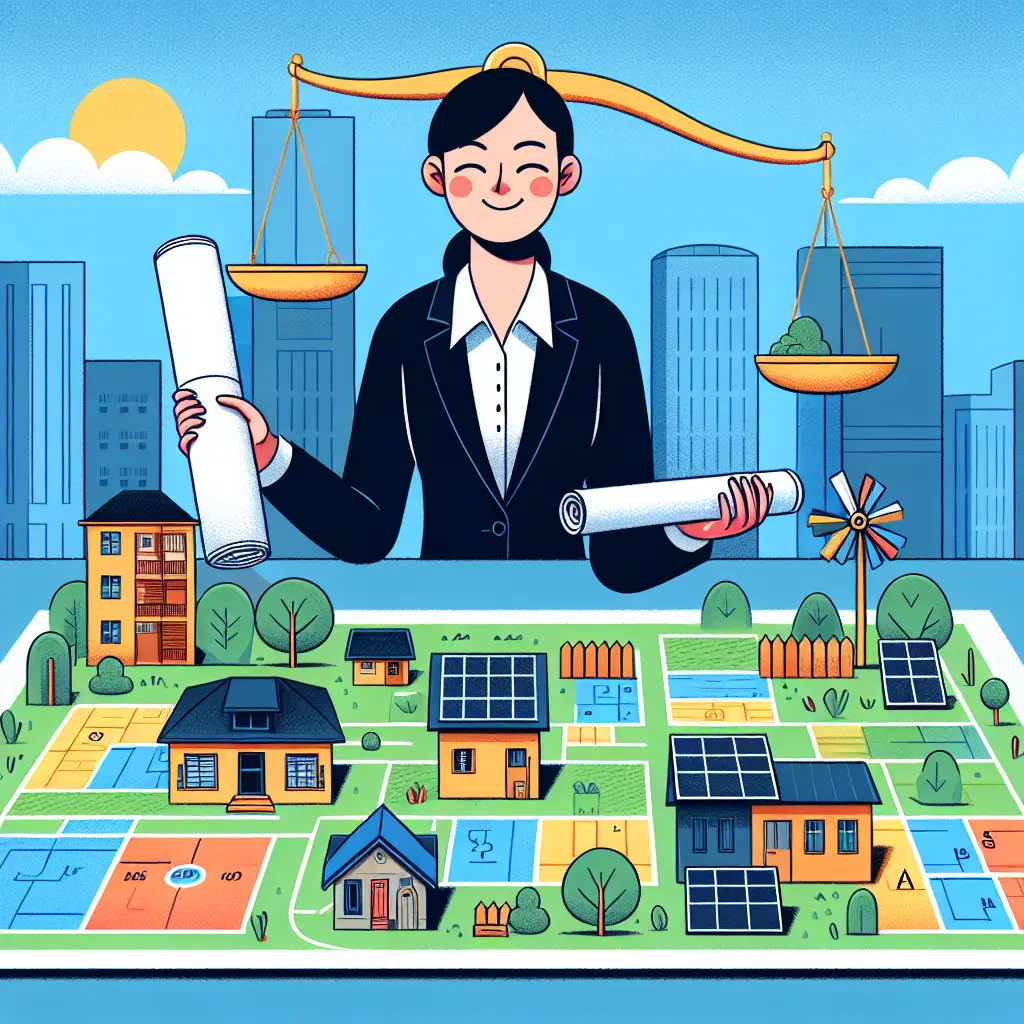
💡 Key Takeaways
- Understand the basics of property ownership, transfer, and leasing, including rights and duties of owners and tenants.
- Learn how zoning, land-use planning, and development regulations shape what you can build or use on a property.
- Explore environmental, permitting, and regulatory requirements that govern real estate development and operation.
- Identify how public interests and protections balance with private property rights.
❓ Frequently Asked Questions
What is Property & Land Use Law?
It governs ownership, use, and development of real estate, including buying, selling, leasing, zoning, land development, and environmental rules, balancing private rights with public interests.
What is zoning and why is it important?
Zoning divides land into zones with allowed uses (residential, commercial, etc.) and standards (setbacks, density). It guides development and protects communities.
What is a deed and what does it do?
A deed transfers ownership from seller to buyer and describes the property, owners, and any restrictions; it is recorded to provide notice of ownership.
What is an easement and how does it affect a property?
An easement gives someone else the right to use part of your land for a specific purpose (like utilities or access), which can limit how you use that area and binds future owners.
What is eminent domain?
Eminent domain allows the government to take private property for a public use with just compensation to the owner.