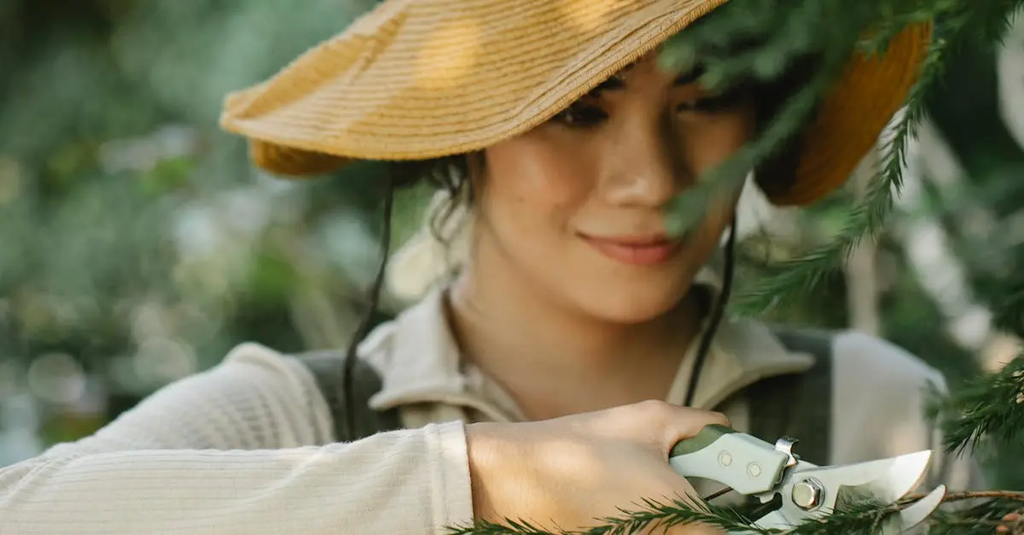
Pruning and deadheading are essential gardening practices for maintaining healthy plants. Pruning involves selectively removing branches, stems, or leaves to shape the plant, encourage growth, and prevent disease. Deadheading refers to removing spent or faded flowers, which promotes further blooming and keeps the plant looking tidy. Both techniques help improve air circulation, direct the plant’s energy to healthy growth, and enhance the overall appearance and vitality of the garden.
Pruning & Deadheading
Pruning and deadheading are essential gardening practices for maintaining healthy plants. Pruning involves selectively removing branches, stems, or leaves to shape the plant, encourage growth, and prevent disease. Deadheading refers to removing spent or faded flowers, which promotes further blooming and keeps the plant looking tidy. Both techniques help improve air circulation, direct the plant’s energy to healthy growth, and enhance the overall appearance and vitality of the garden.
💡 Key Takeaways
- Understand pruning basics and how it shapes plant health, growth, and structure.
- Learn timing and techniques for pruning different plants to prevent disease and stress.
- Discover how deadheading boosts subsequent blooms and extends flowering.
- Practice safe tool handling and maintenance to minimize damage to plants and yourself.
❓ Frequently Asked Questions
What is pruning and why is it important?
Pruning is selectively removing branches, stems, or leaves to shape the plant, encourage healthy growth, improve air flow, and reduce disease risk.
How is pruning different from deadheading?
Pruning trims or shapes the plant by cutting back parts; deadheading removes spent flowers to encourage additional blooms.
When is the best time to prune or deadhead?
Prune mainly during dormancy or after flowering depending on the plant; deadhead regularly while blooms fade to promote more flowers.
How do I prune safely and effectively?
Use clean, sharp tools; make cuts just above a bud or lateral branch at a slight angle; remove diseased or crossing branches; sterilize tools between plants.
Which plants benefit most from pruning and deadheading?
Most flowering perennials and annuals benefit from deadheading to extend bloom; many shrubs and fruiting plants benefit from pruning to maintain shape and health.