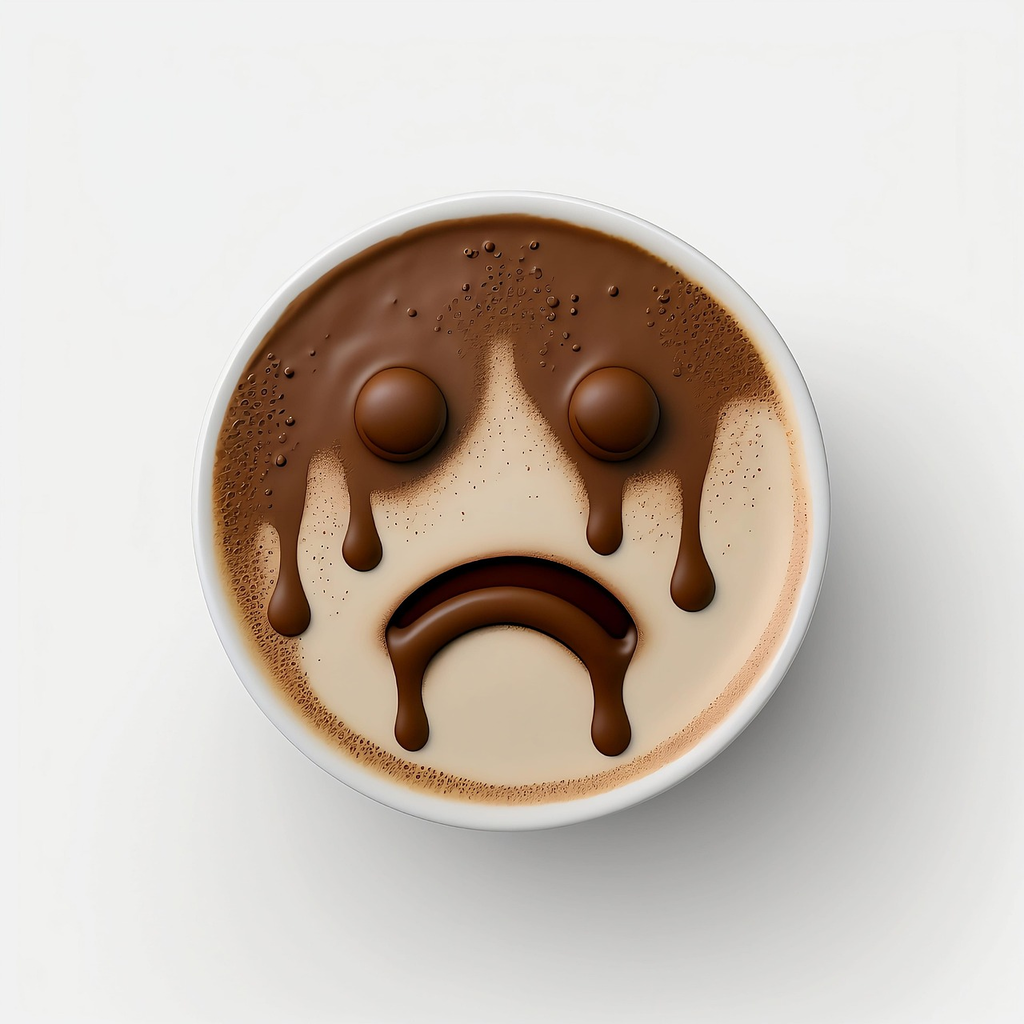
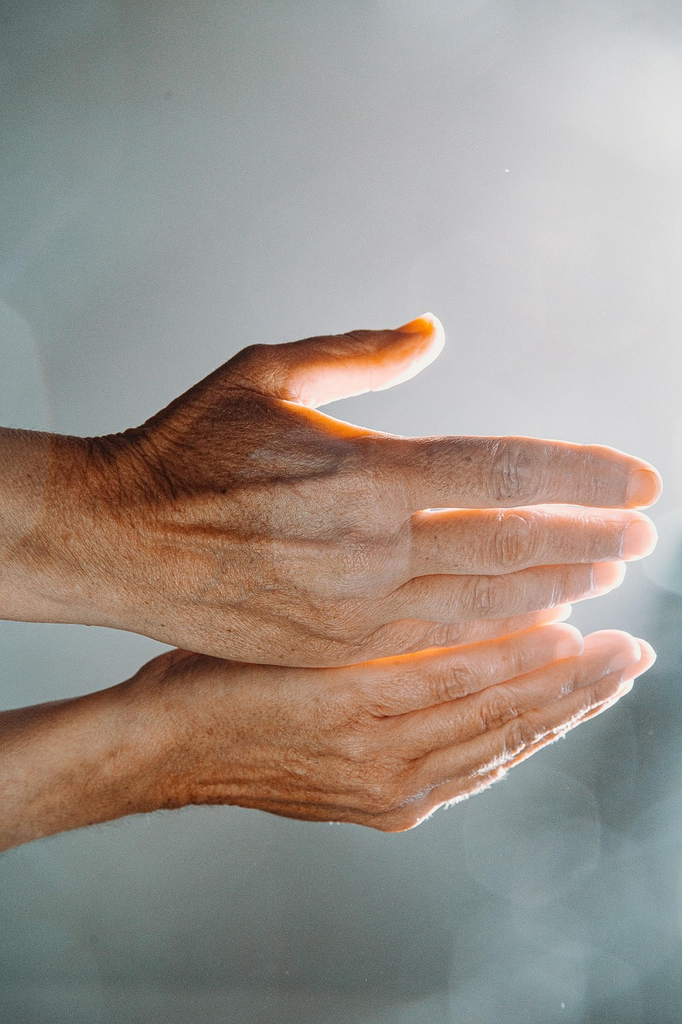
Clapping hands can evoke strong psychological responses, symbolizing approval, encouragement, or celebration. The act often triggers positive emotions, represented by smiles, fostering a sense of belonging and motivation. Conversely, in emotional or moving moments, applause may bring tears, reflecting deep empathy or shared joy. This simple gesture thus bridges individual feelings, reinforcing social bonds and amplifying collective emotional experiences in both joyous and poignant situations.
Psychological Impact of Clapping Hands
Clapping hands can evoke strong psychological responses, symbolizing approval, encouragement, or celebration. The act often triggers positive emotions, represented by smiles, fostering a sense of belonging and motivation. Conversely, in emotional or moving moments, applause may bring tears, reflecting deep empathy or shared joy. This simple gesture thus bridges individual feelings, reinforcing social bonds and amplifying collective emotional experiences in both joyous and poignant situations.
💡 Key Takeaways
- Understand how clapping serves as social feedback that signals appreciation and reinforces positive behavior in groups.
- Learn how applause can boost mood, confidence, and motivation for performers and speakers.
- Explore cultural variations and etiquette around clapping to interpret its meaning in different contexts.
- Identify how the timing, rhythm, and intensity of clapping can influence audience attention, engagement, and perceived performance quality.
❓ Frequently Asked Questions
What is the psychological purpose of clapping?
Clapping signals appreciation, reinforces the behavior being praised, and helps synchronize emotions and social energy within a group.
How does applause affect mood and motivation?
Positive feedback from applause can lift mood, boost motivation, and encourage continued effort, though it may add performance pressure for some.
What factors influence how people react to applause?
Context (performance vs. informal setting), audience size, perceived sincerity, cultural norms, and individual expectations all shape reactions.
How can clapping influence group dynamics and bonding?
Shared, synchronized applause can foster belonging, trust, and a sense of collective identity within the group.