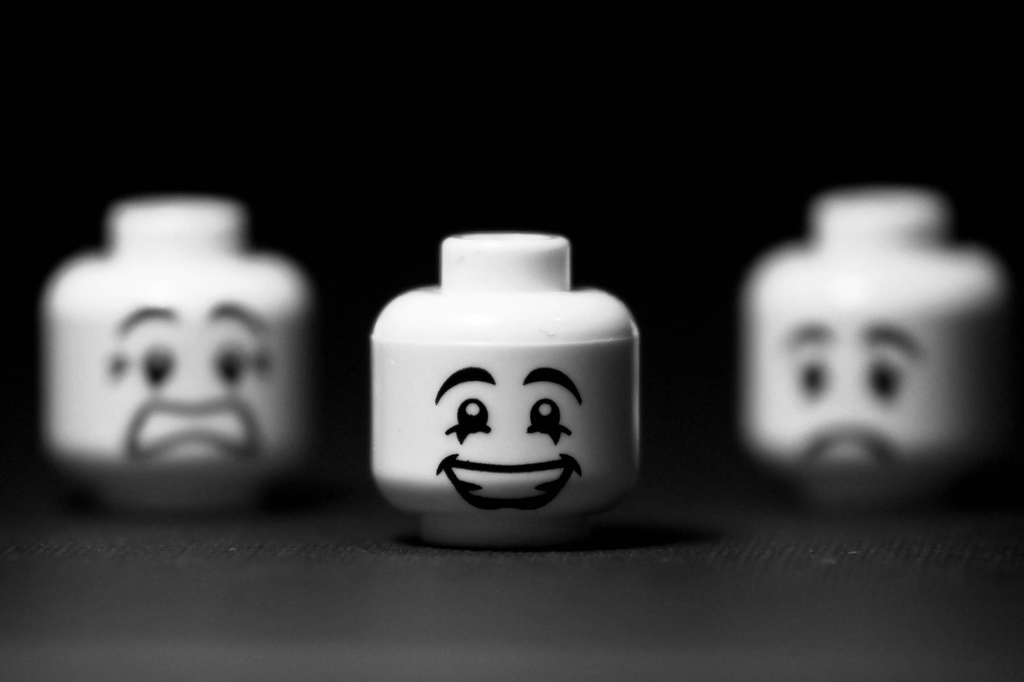
The psychological impact of a thumbs down, especially when paired with emotion emojis like smiles and tears, can evoke feelings of rejection, disappointment, or embarrassment. While a thumbs down alone signals disapproval, accompanying emojis amplify the emotional context—smiles may soften the criticism, suggesting playful intent, while tears intensify the sense of hurt or sadness. These digital cues can significantly influence self-esteem and emotional well-being in online interactions.
Psychological Impact of Thumbs Down
The psychological impact of a thumbs down, especially when paired with emotion emojis like smiles and tears, can evoke feelings of rejection, disappointment, or embarrassment. While a thumbs down alone signals disapproval, accompanying emojis amplify the emotional context—smiles may soften the criticism, suggesting playful intent, while tears intensify the sense of hurt or sadness. These digital cues can significantly influence self-esteem and emotional well-being in online interactions.

💡 Key Takeaways
- Understand how thumbs-down feedback can affect mood, motivation, and perceived validation.
- Learn how online vs. in-person feedback differently impacts self-esteem and behavior.
- Identify the psychological processes behind negative feedback (threat response, attribution) and how to reframe it.
- Discover practical strategies to cope with criticism and build resilience.
❓ Frequently Asked Questions
What does a thumbs-down signal typically communicate in feedback?
It usually signals disapproval or negative evaluation; the exact meaning depends on the context and relationships involved.
How can negative feedback affect mood and self-esteem?
Repeated negative feedback can lower mood and self-esteem, especially if it comes from trusted sources; taking time to reflect helps mitigate the impact.
How should you respond to a thumbs-down or negative feedback?
Listen, pause to reflect, seek specific examples, differentiate critique from self-worth, and consider constructive steps you can take.
Does culture influence how a thumbs-down gesture is interpreted?
Yes. Meanings and norms around gestures and feedback vary across cultures; context and setting matter.
What strategies help cope with negative feedback?
Seek supportive perspectives, practice self-compassion, reframe the critique as growth, and set actionable goals for improvement.