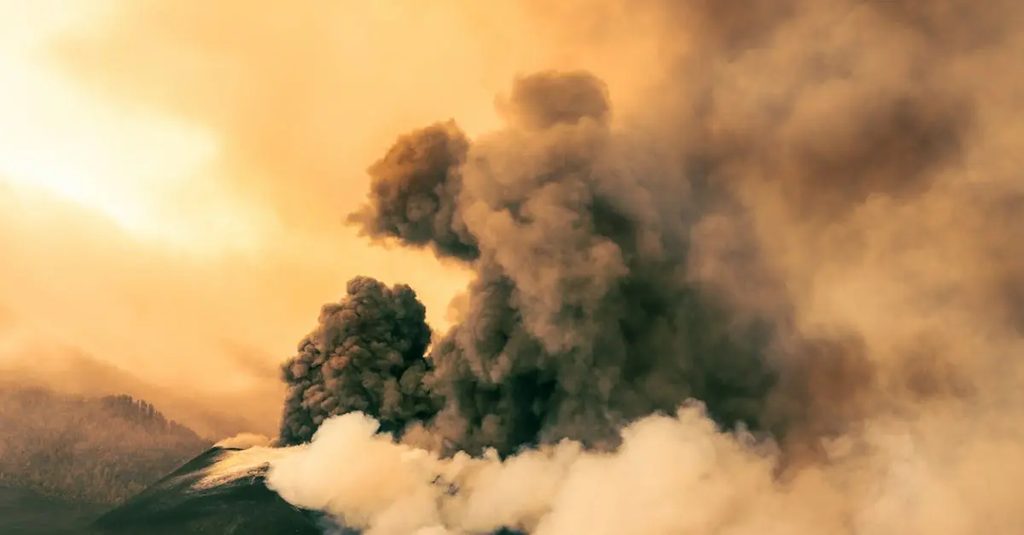
Pyroclastic flows are fast-moving, deadly currents of hot gas, ash, and volcanic rock that surge down the sides of erupting volcanoes. Reaching temperatures over 1,000°C and speeds up to 700 km/h, they obliterate nearly everything in their path. These flows are among nature’s most terrifying phenomena, capable of destroying entire cities and landscapes within minutes, making them a dramatic example of volcanic power and danger.
Pyroclastic Flows
Pyroclastic flows are fast-moving, deadly currents of hot gas, ash, and volcanic rock that surge down the sides of erupting volcanoes. Reaching temperatures over 1,000°C and speeds up to 700 km/h, they obliterate nearly everything in their path. These flows are among nature’s most terrifying phenomena, capable of destroying entire cities and landscapes within minutes, making them a dramatic example of volcanic power and danger.
💡 Key Takeaways
- Define what a pyroclastic flow is and what it contains (hot gas, ash, and volcanic rocks).
- Explain how fast and hot pyroclastic flows can be and why they are incredibly deadly.
- Describe how they form (column collapse or explosive eruption) and how terrain shapes their path.
- Identify safety implications and response concepts such as monitoring, evacuation, and staying informed during eruptions.
❓ Frequently Asked Questions
What is a pyroclastic flow?
A fast-moving, hot mixture of volcanic ash, gas, and rock fragments that races down a volcano’s slope during eruptions.
How do pyroclastic flows form?
They form when eruptive columns collapse or unstable lava domes break apart, generating gravity-driven currents that surge downslope.
What hazards do pyroclastic flows pose and how can you stay safe?
They are extremely hot and fast, capable of burying, burning, and suffocating anything in their path. Evacuate if advised, avoid valleys and low-lying areas, and seek sturdy shelter if escape is not possible.
How are pyroclastic flows monitored and studied by scientists?
Scientists use seismic data, ground deformation measurements, gas emissions, and satellite imagery to map flow paths, forecast activity, and issue alerts.