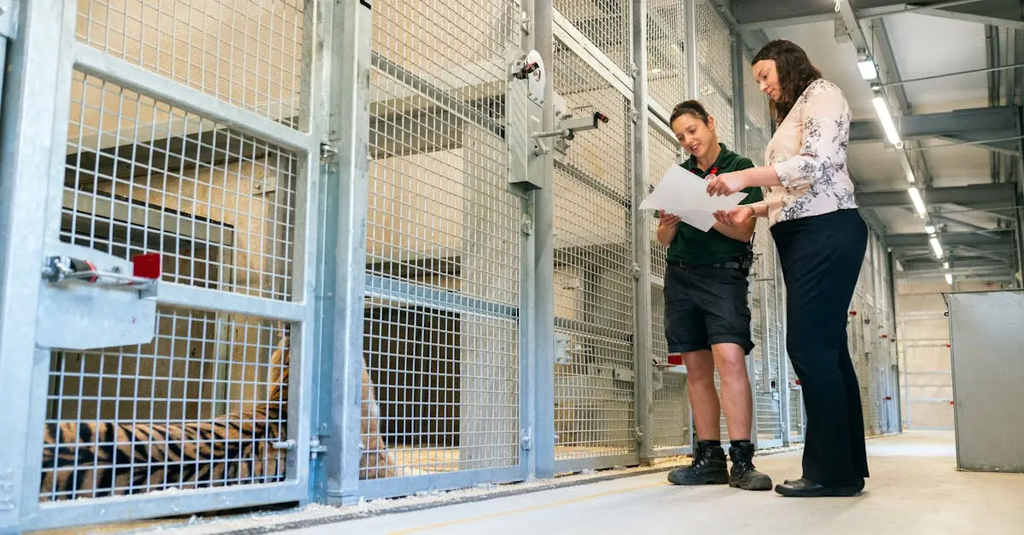
Radio telemetry and tracking is a method used to monitor and study the movement and behavior of animals or objects by attaching a small radio transmitter to them. The transmitter emits radio signals, which are detected by receivers operated by researchers. By analyzing the signal strength and direction, the location and movement patterns of the subject can be accurately tracked over time, providing valuable data for ecological and behavioral studies.
Radio Telemetry & Tracking
Radio telemetry and tracking is a method used to monitor and study the movement and behavior of animals or objects by attaching a small radio transmitter to them. The transmitter emits radio signals, which are detected by receivers operated by researchers. By analyzing the signal strength and direction, the location and movement patterns of the subject can be accurately tracked over time, providing valuable data for ecological and behavioral studies.
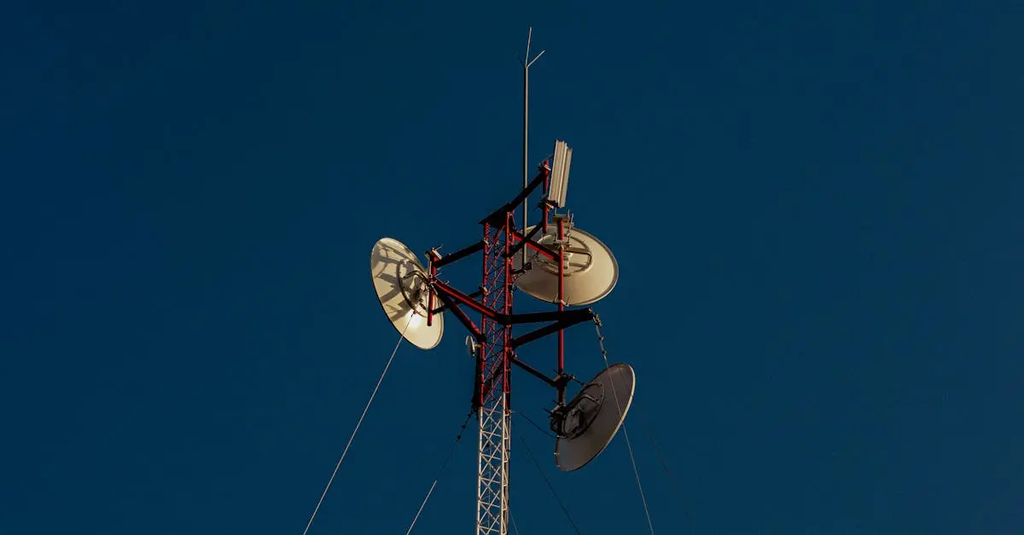
💡 Key Takeaways
- Explain how radio transmitters are attached to animals and the basic purpose of tracking
- Describe how receivers pick up transmitter signals and how signal strength relates to location and movement
- Differentiate between active (signal-based) and passive/ RF telemetry methods and common transmitter types
- Recognize ethical considerations and welfare concerns when tagging pets and wildlife
- Identify the types of data telemetry provides (movement paths, speed, home range) and how researchers use them
❓ Frequently Asked Questions
What is radio telemetry?
A tracking method that uses a small transmitter attached to an animal or object to emit radio signals that researchers detect with receivers to study location and movement.
How do researchers determine an animal’s location using radio telemetry?
They measure the signal’s strength and direction with antennas and receivers, and may use multiple receivers to triangulate the position.
What are common types of trackers used in pets and wildlife?
VHF transmitters for homing with handheld receivers, GPS collars that log or transmit location, and sometimes satellite tags for remote areas.
What should be considered when using radio telemetry?
Animal welfare and safety, battery life and range, potential interference, regulatory permits, and ethical guidelines for research.