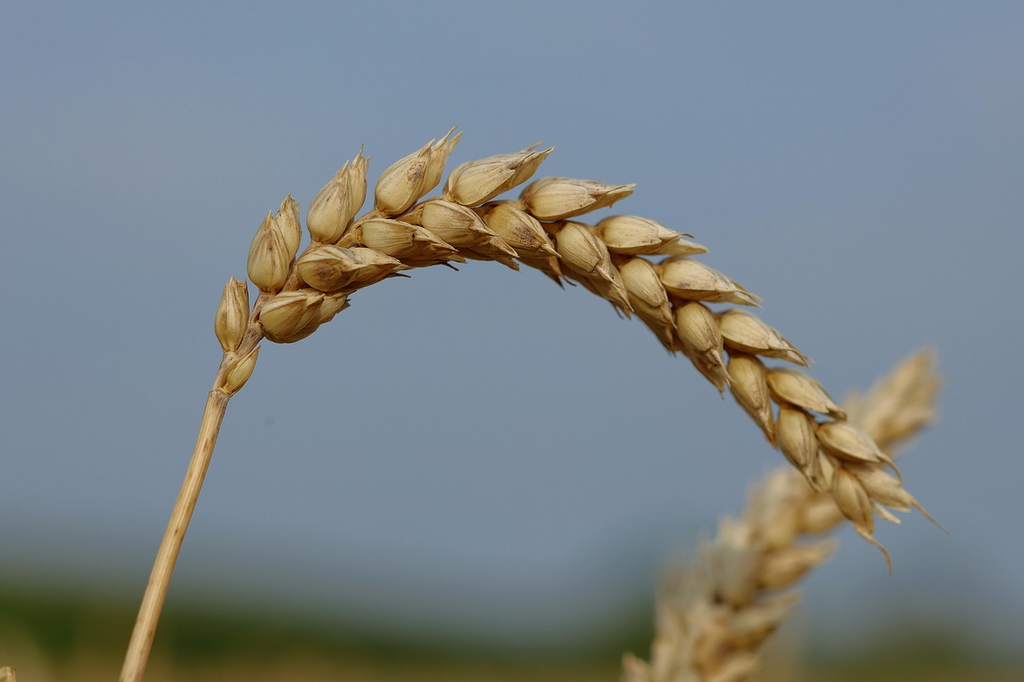
"Rare Historical Artifacts (Guess by Image)" refers to a visual activity or game where participants are shown images of uncommon or unique objects from history and are challenged to identify or guess what they are. These artifacts could range from ancient tools and ceremonial items to relics from past civilizations, and the exercise encourages curiosity, observation, and learning about different cultures and historical periods through visual clues.
Rare Historical Artifacts
"Rare Historical Artifacts (Guess by Image)" refers to a visual activity or game where participants are shown images of uncommon or unique objects from history and are challenged to identify or guess what they are. These artifacts could range from ancient tools and ceremonial items to relics from past civilizations, and the exercise encourages curiosity, observation, and learning about different cultures and historical periods through visual clues.

💡 Key Takeaways
- Understand what makes an artifact rare and why rarity matters for research and preservation.
- Learn basic methods for authenticating, dating, and verifying provenance of historical objects.
- Explore standard conservation practices to protect fragile materials and extend artifact life.
- Consider ethical issues in acquisition, display, and potential repatriation of historical artifacts.
❓ Frequently Asked Questions
What qualifies as a rare historical artifact?
A rare artifact is unusually old, unique, or scarce, and holds significant historical or cultural importance—often with few surviving examples.
How do experts verify the authenticity of an artifact?
Experts check provenance, perform material tests, date the item, analyze stylistic features, and compare with established records to distinguish originals from fakes.
What is provenance and why is it important?
Provenance is the documented history of ownership and custody; it helps establish legitimacy and protect against looted or illicit objects.
How are rare artifacts preserved for study and display?
Conservators stabilize materials, control environmental conditions (temperature, humidity, light), avoid improper handling, and document changes to prevent deterioration.
What is the difference between an original artifact and a replica?
An original artifact is from the historical period, while a replica is a faithful modern copy used for study or display; replicas help protect originals.