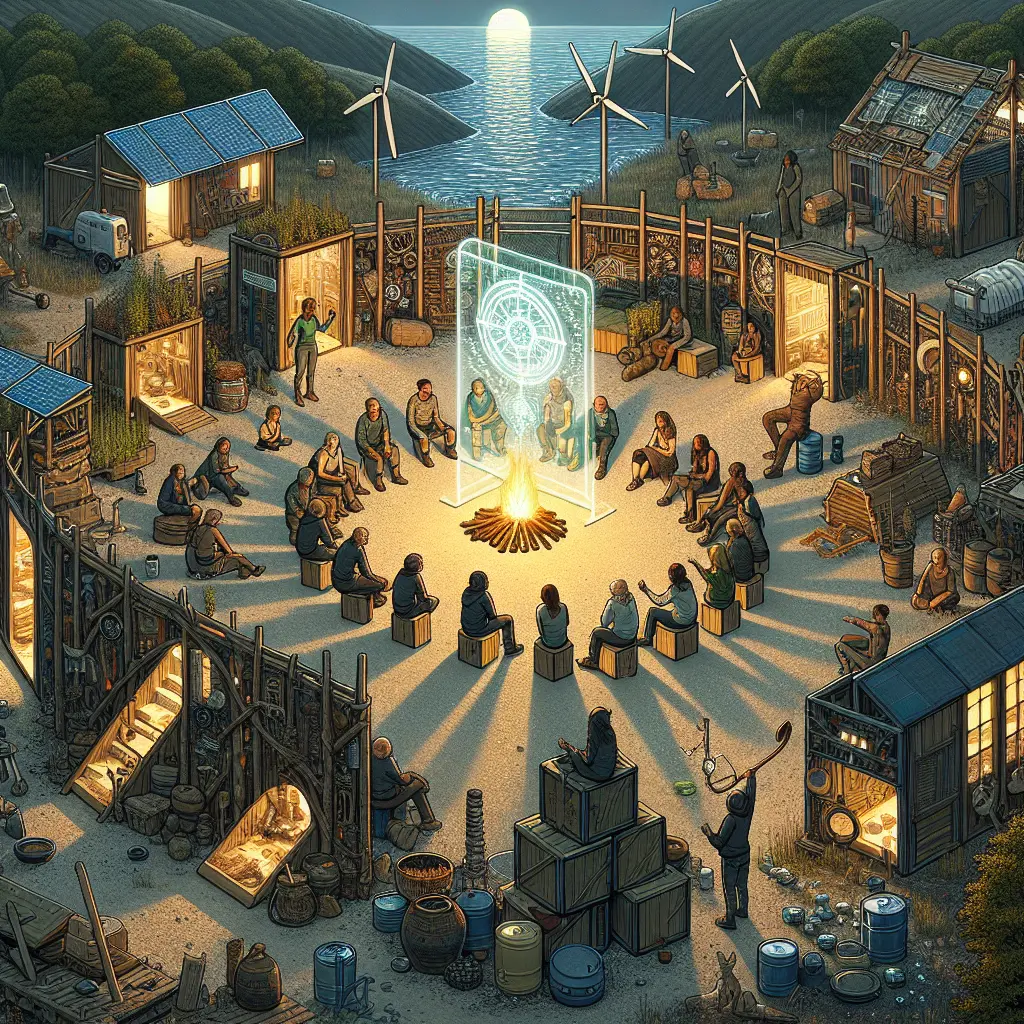
Rebuilding civilizations refers to the process of restoring societies after significant disruption, such as war, natural disasters, or societal collapse. This involves reconstructing infrastructure, reestablishing governance, reviving cultural practices, and fostering social cohesion. It requires collaboration, innovation, and resilience from communities, leaders, and organizations. The goal is not only to return to previous conditions but also to create improved, sustainable systems that can better withstand future challenges and support the well-being of all citizens.
Rebuilding Civilizations
Rebuilding civilizations refers to the process of restoring societies after significant disruption, such as war, natural disasters, or societal collapse. This involves reconstructing infrastructure, reestablishing governance, reviving cultural practices, and fostering social cohesion. It requires collaboration, innovation, and resilience from communities, leaders, and organizations. The goal is not only to return to previous conditions but also to create improved, sustainable systems that can better withstand future challenges and support the well-being of all citizens.
💡 Key Takeaways
- Identify the core components of rebuilding civilizations after disruption: infrastructure, governance, culture, and social cohesion.
- Explain how leadership, legitimacy, and inclusive governance influence successful reconstruction.
- Describe how cultural revival and shared identity support social cohesion in rebuilding efforts.
- Compare reconstruction strategies across different franchises and universes to spot common patterns and distinct challenges.
❓ Frequently Asked Questions
What does rebuilding civilizations entail?
Rebuilding involves restoring infrastructure, governance, cultural practices, and social cohesion after major disruption to create a functioning, resilient society.
Why are infrastructure and services essential?
They provide basic needs (water, housing, energy, sanitation) and enable safety, health, and economic activity during recovery.
How does governance aid the reconstruction process?
Governance establishes rules, coordinates public services, allocates resources, and legitimizes leadership to prevent chaos and guide rebuilding.
How is social cohesion revived after disruption?
Through inclusive participation, reconciliation efforts, shared goals, and support for cultural education and community belonging.
What common challenges appear during rebuilding?
Resource shortages, power vacuums, conflicts among groups, coordination among diverse stakeholders, and balancing rapid recovery with sustainable practices.