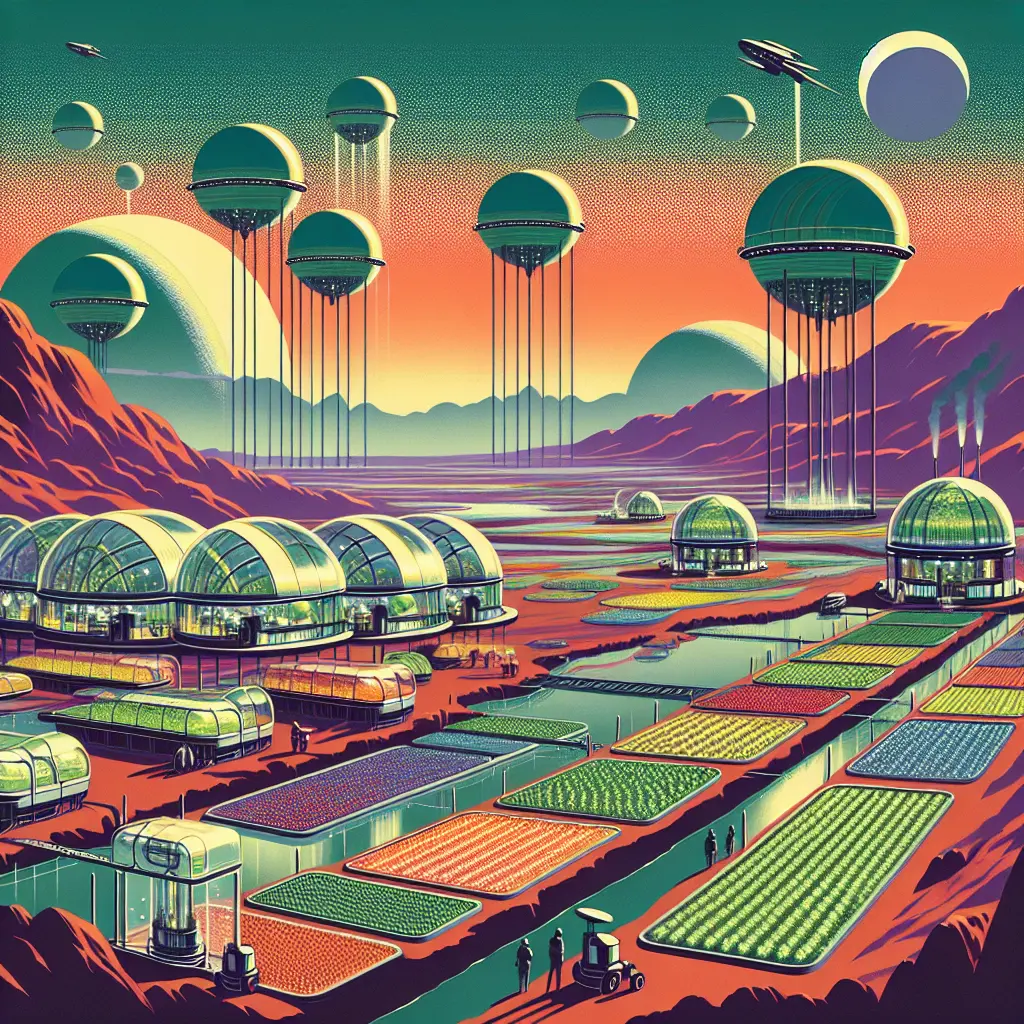
Wasteland survival tropes are common themes and elements found in stories set in desolate, post-apocalyptic landscapes. These often include scarce resources, harsh environments, makeshift shelters, improvised weapons, and constant threats from mutants, raiders, or hostile survivors. Characters typically struggle with moral dilemmas, form unlikely alliances, and rely on ingenuity to endure. Such tropes highlight humanity’s resilience and adaptability when civilization collapses and survival becomes a daily challenge.
Wasteland Survival Tropes
Wasteland survival tropes are common themes and elements found in stories set in desolate, post-apocalyptic landscapes. These often include scarce resources, harsh environments, makeshift shelters, improvised weapons, and constant threats from mutants, raiders, or hostile survivors. Characters typically struggle with moral dilemmas, form unlikely alliances, and rely on ingenuity to endure. Such tropes highlight humanity’s resilience and adaptability when civilization collapses and survival becomes a daily challenge.
💡 Key Takeaways
- Identify core wasteland survival tropes (scarce resources, harsh environments, makeshift shelters, improvised weapons).
- Compare resource management, scavenging, and shelter-building across different post-apocalyptic franchises.
- Recognize common archetypes (scavenger, survivor, raider, protector) and their motivations.
- Analyze how threats from mutants, raiders, or hostile survivors drive decisions and conflict.
- See how gear, setting, and dialogue convey realism and atmosphere in wasteland worlds.
❓ Frequently Asked Questions
What is a wasteland survival trope?
A recurring element in post-apocalyptic fiction that depicts harsh environments, scarce resources, and constant danger, shaping characters and stories.
What are common challenges survivors face in wasteland settings?
Scarce water and food, extreme weather, radiation or contamination, unreliable technology, dangerous wildlife or hostile humans, and tough moral choices.
How do factions and raiders function in these universes?
They create conflict and power struggles, influence supply lines, and test characters with difficult decisions, highlighting themes of scarcity and adaptation.
What are typical examples of shelters and improvised weapons in wasteland fiction?
Lean-tos, bunkers, and scavenged shelters, plus weapons built from scrap like pipe rifles, improvised melee tools, and trap-based defenses.
How do franchises and universes differ in their use of these tropes?
They vary tone, scale, and rules (such as mutation levels, resource availability, and technology), which shapes character choices and plot directions.