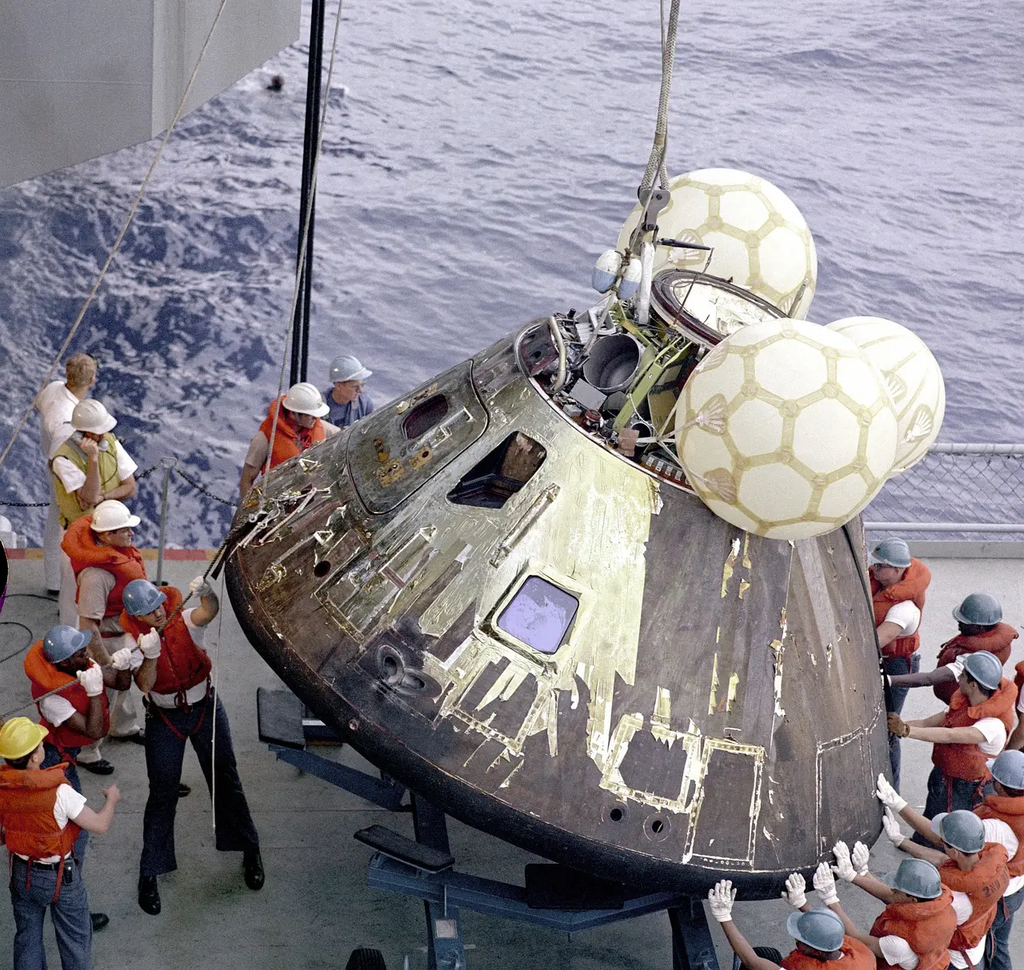
Reentry and heat shield technologies refer to the systems and materials designed to protect spacecraft as they return to Earth or enter another planet’s atmosphere. During reentry, vehicles experience extreme friction and temperatures, which can exceed thousands of degrees Celsius. Heat shields, often made from ablative or insulating materials, absorb and dissipate this intense heat, preventing damage to the spacecraft and ensuring the safety of its contents or crew.
Reentry and Heat Shield Technologies
Reentry and heat shield technologies refer to the systems and materials designed to protect spacecraft as they return to Earth or enter another planet’s atmosphere. During reentry, vehicles experience extreme friction and temperatures, which can exceed thousands of degrees Celsius. Heat shields, often made from ablative or insulating materials, absorb and dissipate this intense heat, preventing damage to the spacecraft and ensuring the safety of its contents or crew.
💡 Key Takeaways
- Understand why reentry generates extreme heat and how heat shields protect spacecraft from temperatures thousands of degrees Celsius.
- Differentiate between heat shield approaches (ablative vs reusable/insulated) and their trade-offs for missions.
- Explain how entry speed, angle of attack, and trajectory affect thermal loads and shielding design.
- Identify the main components of a heat shield system and common testing methods used to validate performance.
❓ Frequently Asked Questions
What is reentry in spaceflight?
Reentry is the phase when a spacecraft returns from space and enters a planet’s atmosphere, where air density, pressure, and friction rapidly increase, causing intense heating and deceleration.
What is a heat shield?
A heat shield is part of a spacecraft’s thermal protection system that shields the vehicle from extreme heat during reentry by absorbing, reflecting, or shedding heat to keep the interior and structure safe.
How do heat shields protect during reentry?
Heat shields use materials and designs that either insulate, ablate, or stay thermally stable at high temperatures, preventing heat from reaching the spacecraft’s surface. Ablative shields burn away to carry heat away.
What are common heat shield materials or types?
Common options include ablative materials (e.g., Avcoat, phenolic-impregnated carbon ablator), ceramic tiles or reinforced carbon-carbon for hot areas, and insulating blankets to reduce heat transfer.
Why does the heating during reentry vary between missions?
Heating depends on entry speed and angle, atmospheric density, vehicle shape, and the design of the thermal protection system.