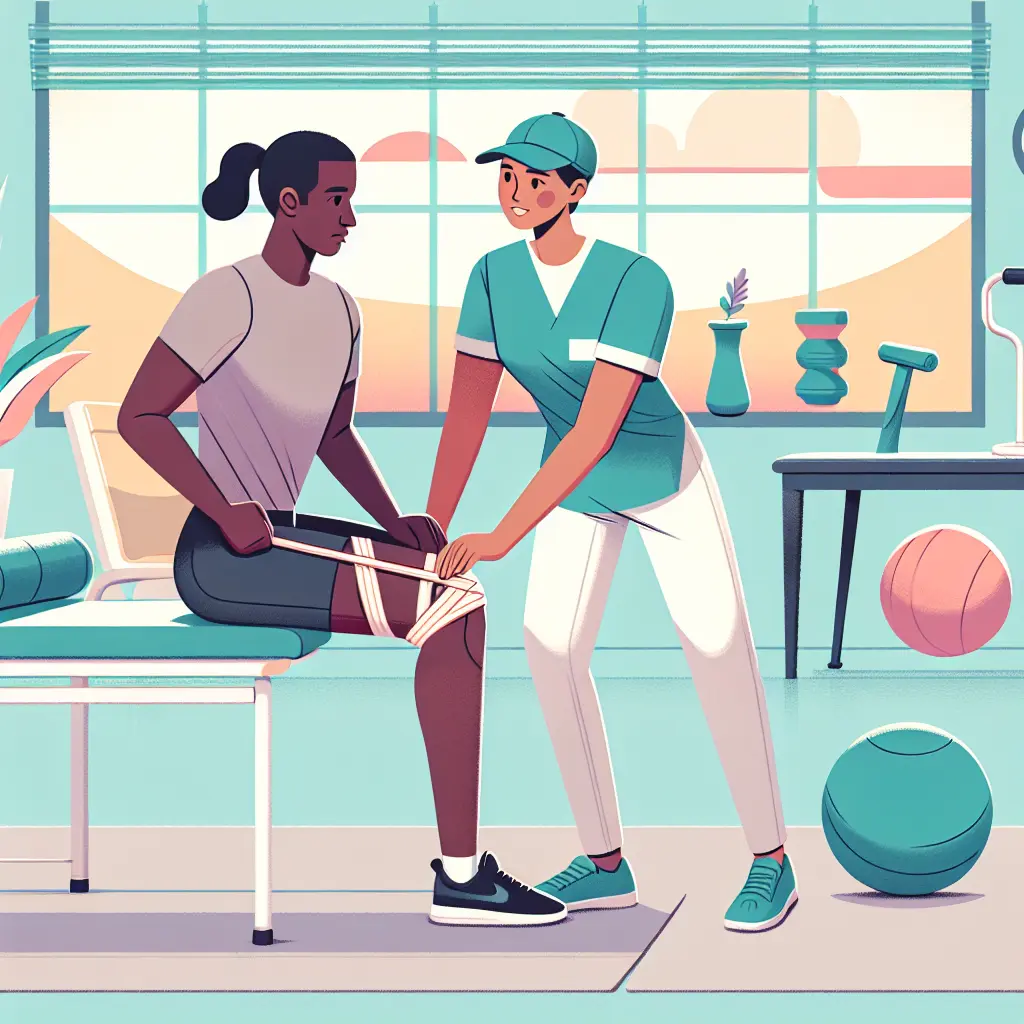
Rehabilitation and physical therapy basics involve restoring movement and function to individuals affected by injury, illness, or disability. This process includes assessment, personalized exercise programs, manual therapy, and education to promote healing, reduce pain, and prevent further injury. Physical therapists use techniques such as stretching, strengthening, balance training, and modalities like heat or cold therapy to help patients regain independence and improve their overall quality of life.
Rehabilitation & Physical Therapy Basics
Rehabilitation and physical therapy basics involve restoring movement and function to individuals affected by injury, illness, or disability. This process includes assessment, personalized exercise programs, manual therapy, and education to promote healing, reduce pain, and prevent further injury. Physical therapists use techniques such as stretching, strengthening, balance training, and modalities like heat or cold therapy to help patients regain independence and improve their overall quality of life.
💡 Key Takeaways
- Understand how rehabilitation and physical therapy restore movement and function after injury, illness, or disability.
- Learn how therapists assess movement, strength, flexibility, and function to create personalized treatment plans.
- Explore common components of PT programs, including exercise therapy, manual therapy, and patient education.
- Discover strategies to reduce pain and prevent re-injury to support long-term recovery and independence.
❓ Frequently Asked Questions
What is rehabilitation and physical therapy?
Aimed at restoring movement and function after injury, illness, or disability through assessment, individualized exercises, hands-on therapies, and education to promote healing and prevent further problems.
What happens during an initial assessment in physical therapy?
The therapist reviews medical history, checks movement, strength, and range of motion, and uses these findings to set realistic, measurable goals.
What are the common components of a physical therapy program?
A tailored exercise program, manual therapy, patient education on movement and safety, and a home exercise plan to support progress.
What is manual therapy?
Hands-on techniques by a therapist to improve joint mobility, reduce stiffness, and ease soft tissue tension.
How does physical therapy help prevent future injuries?
By strengthening muscles, teaching proper movement patterns, and guiding gradual activity progression and injury-prevention strategies.