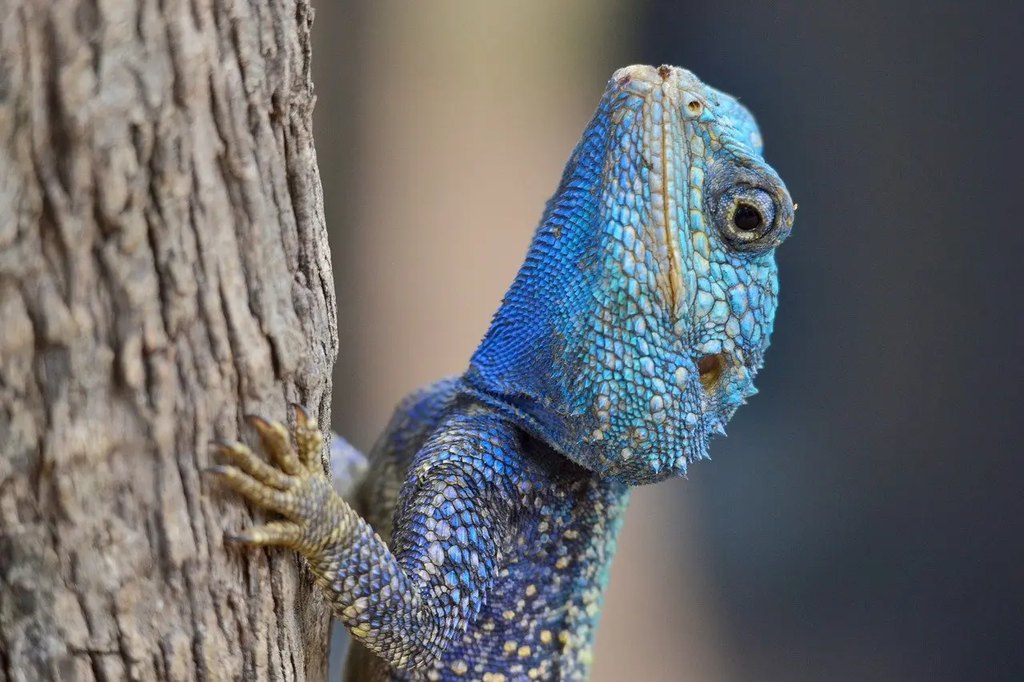
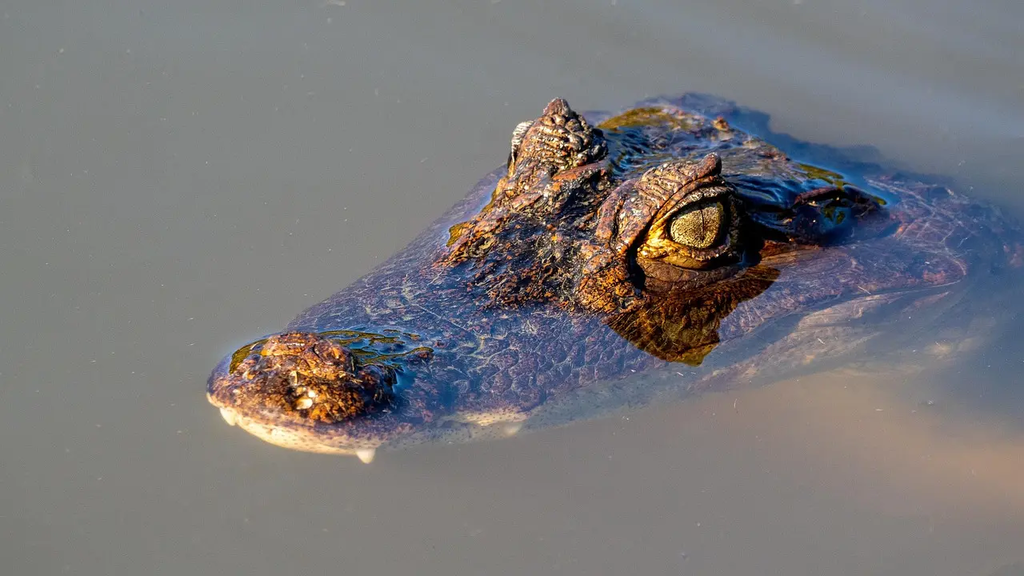
Reptiles are a diverse group of cold-blooded vertebrates within the animal kingdom, including snakes, lizards, turtles, and crocodiles. They are characterized by scaly skin, laying shelled eggs, and breathing air through lungs. Most reptiles are terrestrial, though some live in aquatic environments. They play vital roles in ecosystems as predators and prey. Reptiles have adapted to various habitats worldwide and have existed since the age of dinosaurs, showcasing remarkable evolutionary resilience.
Reptiles
Reptiles are a diverse group of cold-blooded vertebrates within the animal kingdom, including snakes, lizards, turtles, and crocodiles. They are characterized by scaly skin, laying shelled eggs, and breathing air through lungs. Most reptiles are terrestrial, though some live in aquatic environments. They play vital roles in ecosystems as predators and prey. Reptiles have adapted to various habitats worldwide and have existed since the age of dinosaurs, showcasing remarkable evolutionary resilience.
💡 Key Takeaways
- Identify major reptile groups (snakes, lizards, turtles/tortoises, crocodilians) and their key traits.
- Understand how reptiles regulate body temperature and how this affects their behavior and care.
- Learn common reptile diets (carnivorous, insectivorous, herbivorous) and feeding considerations.
- Recognize basic habitat and husbandry needs (enclosures, heat sources, lighting, humidity).
❓ Frequently Asked Questions
What defines a reptile?
Reptiles are vertebrates that are ectothermic (cold-blooded), have scaly skin, and most lay shelled eggs (though some species give birth to live young).
What are the main groups of reptiles?
The four major groups are: Squamata (snakes and lizards), Testudines (turtles and tortoises), Crocodylia (crocodilians), and the tuatara (Sphenodontia).
Do all reptiles lay eggs or can some give birth to live young?
Most reptiles lay eggs, but some species give birth to live young via ovoviviparity or viviparity, depending on the species.
How do reptiles regulate their body temperature?
They are ectothermic and rely on external heat. They bask in the sun to warm up, seek shade or water to cool down, and their body temperature generally follows the environment.
What do reptiles eat, and does diet vary by group?
Diet varies widely: many eat insects or small animals, others eat plants or both. Snakes are usually carnivores, tortoises are typically herbivores, and lizards can be insectivores or omnivores.