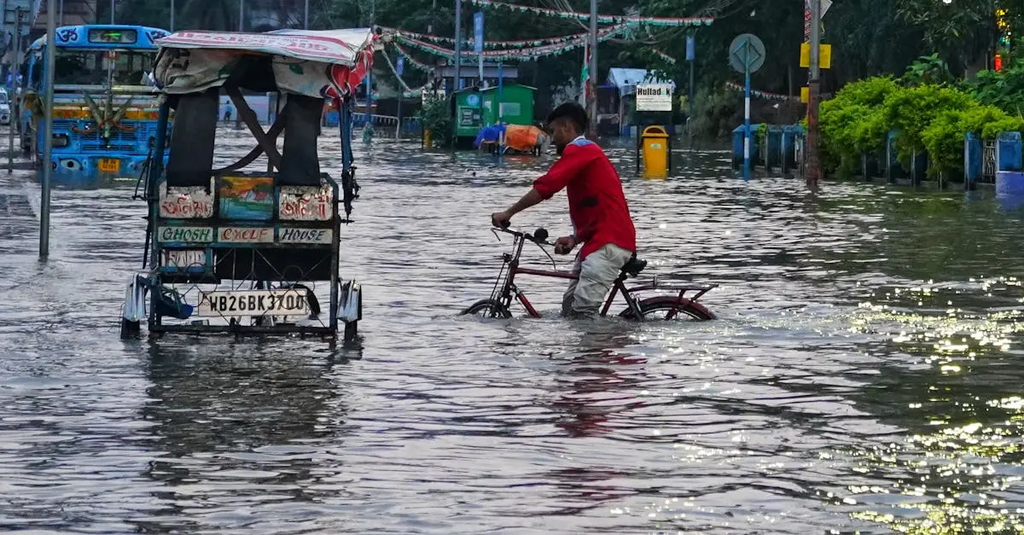
Resilient urban systems and climate adaptation science refer to the strategies, technologies, and policies that enable cities to withstand, recover from, and adapt to the impacts of climate change. This field emphasizes strengthening infrastructure, social networks, and governance to reduce vulnerability to hazards like floods, heatwaves, and storms. It integrates interdisciplinary research and practical solutions to ensure urban areas remain livable, sustainable, and capable of supporting communities amid environmental challenges.
Resilient urban systems and climate adaptation science
Resilient urban systems and climate adaptation science refer to the strategies, technologies, and policies that enable cities to withstand, recover from, and adapt to the impacts of climate change. This field emphasizes strengthening infrastructure, social networks, and governance to reduce vulnerability to hazards like floods, heatwaves, and storms. It integrates interdisciplinary research and practical solutions to ensure urban areas remain livable, sustainable, and capable of supporting communities amid environmental challenges.
💡 Key Takeaways
- Understand what resilient urban systems are and why cities need climate adaptation.
- Identify key strategies and technologies to bolster infrastructure, social networks, and governance against climate impacts.
- Explore UK-focused policy, governance, and funding approaches that enable urban resilience.
- Learn how risk assessment, data, and monitoring inform adaptation decisions in cities.
❓ Frequently Asked Questions
What does 'resilient urban systems' mean?
Cities and their networks—buildings, transport, utilities, governance, and communities—designed to withstand climate shocks, recover quickly, and adapt to changing conditions.
What is climate adaptation science?
The study and use of strategies, technologies, and policies that reduce vulnerability to climate impacts and improve a city’s ability to cope with change.
What are common ways to strengthen urban resilience?
Strengthen infrastructure, secure energy and water systems, improve flood defenses and cooling, use data to guide decisions, and promote inclusive governance and community networks.
Why is governance and equity important in climate adaptation (UK context)?
Effective governance coordinates actions and resources, while equity ensures protection and benefits reach all residents, especially the most vulnerable; in the UK, this involves collaboration among local authorities, researchers, and communities.