Retouching and color correction are essential visual arts and design skills focused on enhancing and perfecting images. Retouching involves removing imperfections, smoothing skin, and refining details to achieve a polished look. Color correction adjusts tones, brightness, contrast, and color balance to ensure consistency and visual appeal. Together, these techniques improve the overall quality, mood, and impact of photographs or digital artwork, making them more professional and visually engaging.
Retouching & Color Correction
Retouching and color correction are essential visual arts and design skills focused on enhancing and perfecting images. Retouching involves removing imperfections, smoothing skin, and refining details to achieve a polished look. Color correction adjusts tones, brightness, contrast, and color balance to ensure consistency and visual appeal. Together, these techniques improve the overall quality, mood, and impact of photographs or digital artwork, making them more professional and visually engaging.
💡 Key Takeaways
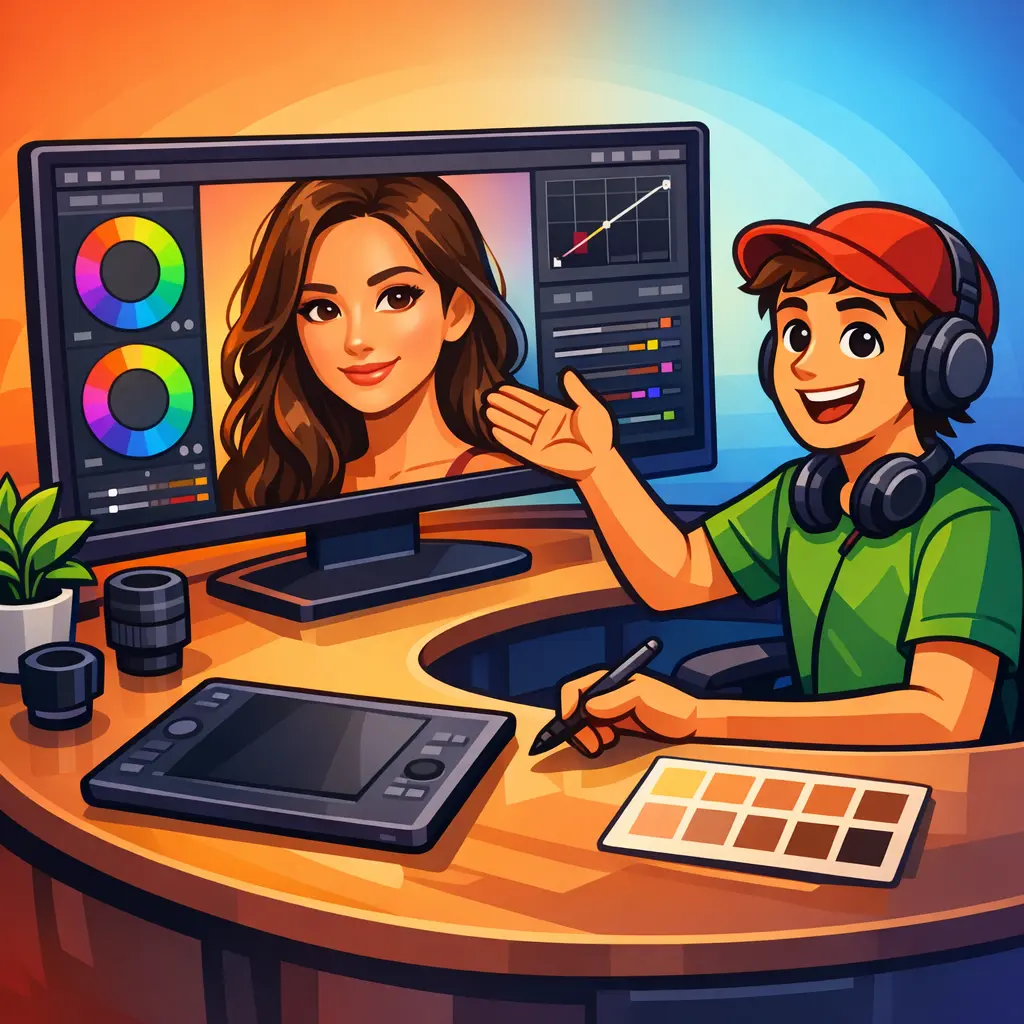
- Adopt non-destructive retouching workflows to preserve original image data.
- Correct white balance and color casts to achieve natural-looking skin tones.
- Use curves and levels, with masking, to balance exposure, contrast, and color.
- Retouch imperfections (blemishes, stray hairs) while preserving texture and realism.
❓ Frequently Asked Questions
What is retouching in photography?
Retouching is editing to improve a photo's look, such as removing blemishes, smoothing skin, whitening teeth, or fixing small flaws, while keeping the result believable.
What is color correction vs color grading?
Color correction fixes color inaccuracies (white balance, exposure, contrast) to look natural. Color grading adds a deliberate mood or style using hue, saturation, and contrast across the image.
What is white balance and why does it matter?
White balance adjusts colors so whites look white under current lighting, preventing unwanted color casts (blue or orange). Set it to match the light source or use a neutral reference.
What are global vs local adjustments in retouching?
Global adjustments affect the entire image (overall brightness, contrast, saturation). Local adjustments target specific areas (skin, sky) using masks or selective edits.