Rights and responsibilities of citizens refer to the entitlements and duties individuals have within a country. Rights include freedoms such as speech, religion, and equality before the law, ensuring protection and participation in society. Responsibilities involve obeying laws, paying taxes, voting, and respecting others’ rights. Together, they maintain social order, promote justice, and support the functioning of a democratic society, balancing individual freedoms with communal obligations.
Rights & Responsibilities of Citizens+50
Rights and responsibilities of citizens refer to the entitlements and duties individuals have within a country. Rights include freedoms such as speech, religion, and equality before the law, ensuring protection and participation in society. Responsibilities involve obeying laws, paying taxes, voting, and respecting others’ rights. Together, they maintain social order, promote justice, and support the functioning of a democratic society, balancing individual freedoms with communal obligations.
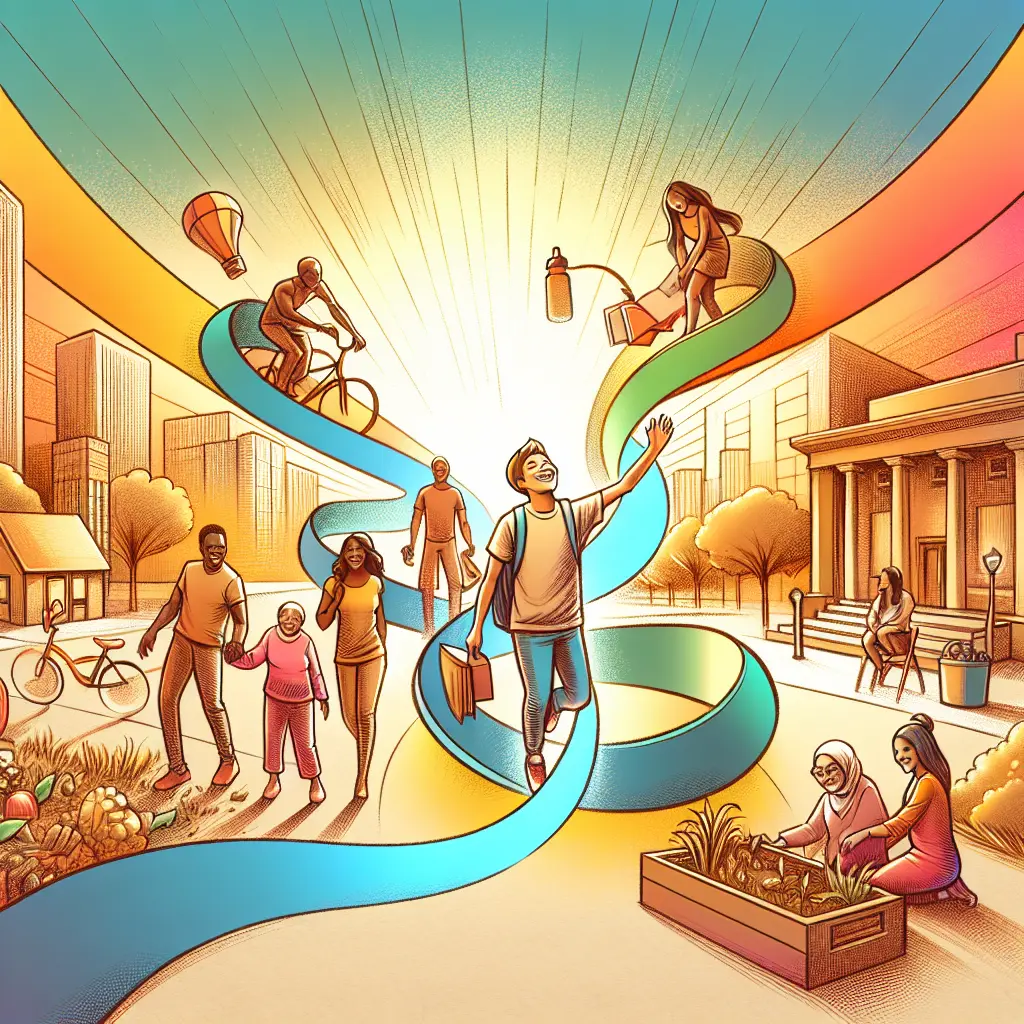
💡 Key Takeaways
- Identify core citizen rights (speech, religion, equal protection) and how they protect individuals.
- Explain key responsibilities (obey laws, pay taxes, vote) and their role in society.
- See how rights and responsibilities enable participation in democracy and daily life.
- Know how rights are protected and how to seek redress when they're violated.
❓ Frequently Asked Questions
What are the main rights of citizens?
Rights are protections and freedoms guaranteed by law, such as freedom of speech, freedom of religion, and equality before the law, which help protect individuals and enable participation in society.
What are citizens' responsibilities?
Responsibilities are duties that support the community and lawful behavior, including obeying laws, paying taxes, and voting.
How do rights and responsibilities relate to democracy?
Rights protect individuals and enable participation, while responsibilities ensure order and resources so rights can be enjoyed by all.
What does equality before the law mean?
It means everyone is treated the same by the legal system, regardless of identity, status, or beliefs.