Road signs are visual symbols placed along roads to convey important information, warnings, or instructions to drivers and pedestrians. They help regulate traffic flow, promote safety, and provide guidance, such as indicating speed limits, directions, hazards, or pedestrian crossings. Road signs use standardized shapes, colors, and symbols to ensure they are easily recognizable and understood, regardless of language, making them essential for safe and efficient transportation systems worldwide.
Road Signs+50
Road signs are visual symbols placed along roads to convey important information, warnings, or instructions to drivers and pedestrians. They help regulate traffic flow, promote safety, and provide guidance, such as indicating speed limits, directions, hazards, or pedestrian crossings. Road signs use standardized shapes, colors, and symbols to ensure they are easily recognizable and understood, regardless of language, making them essential for safe and efficient transportation systems worldwide.
💡 Key Takeaways
- Learn the purposes of road signs and how they regulate traffic, warn of hazards, and provide guidance.
- Identify sign categories (regulatory, warning, guide/info) and read their colors and shapes to determine required action.
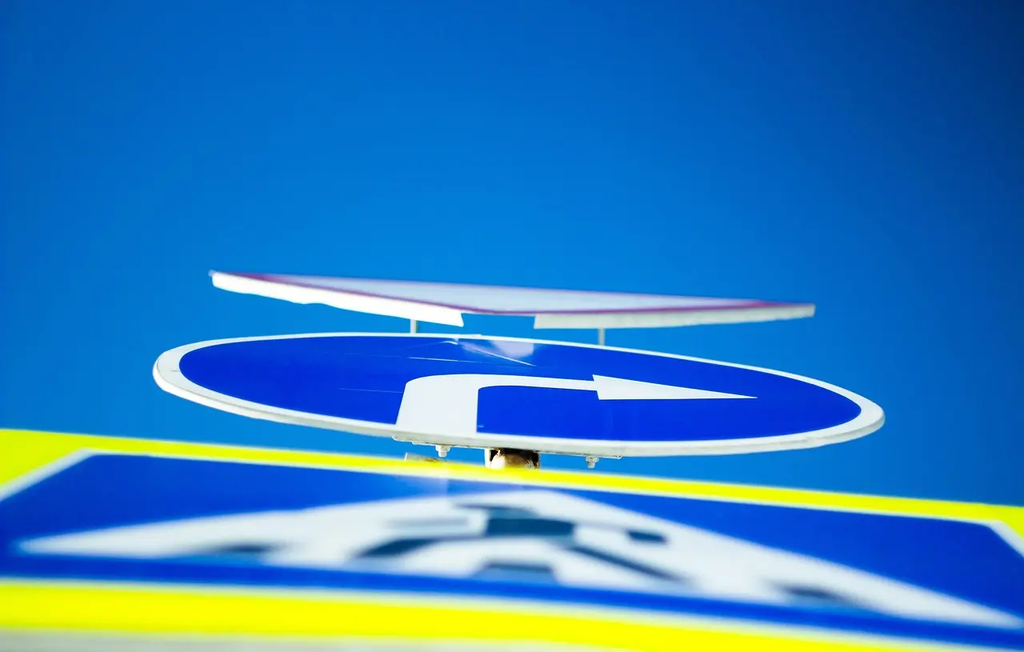
- Interpret common symbols (speed limits, pedestrian crossing, yield, stop, no-entry) and know the expected driver behavior.
- Recognize temporary and construction signs and how to adjust driving accordingly.
❓ Frequently Asked Questions
What is the main purpose of road signs?
To convey information, warnings, or instructions to drivers and pedestrians to regulate traffic and improve safety.
What do the common road sign shapes indicate?
Shapes provide quick meaning: octagon = stop; inverted triangle = yield; diamond = warning; rectangle = regulatory or directional information.
What do road sign colors typically indicate?
Red = stop/prohibition; yellow/amber = warning; blue = information or services; green = permitted directions or actions.
What should you do when you see a pedestrian crossing sign?
Slow down, watch for pedestrians, and be prepared to stop if someone is in or approaching the crosswalk.