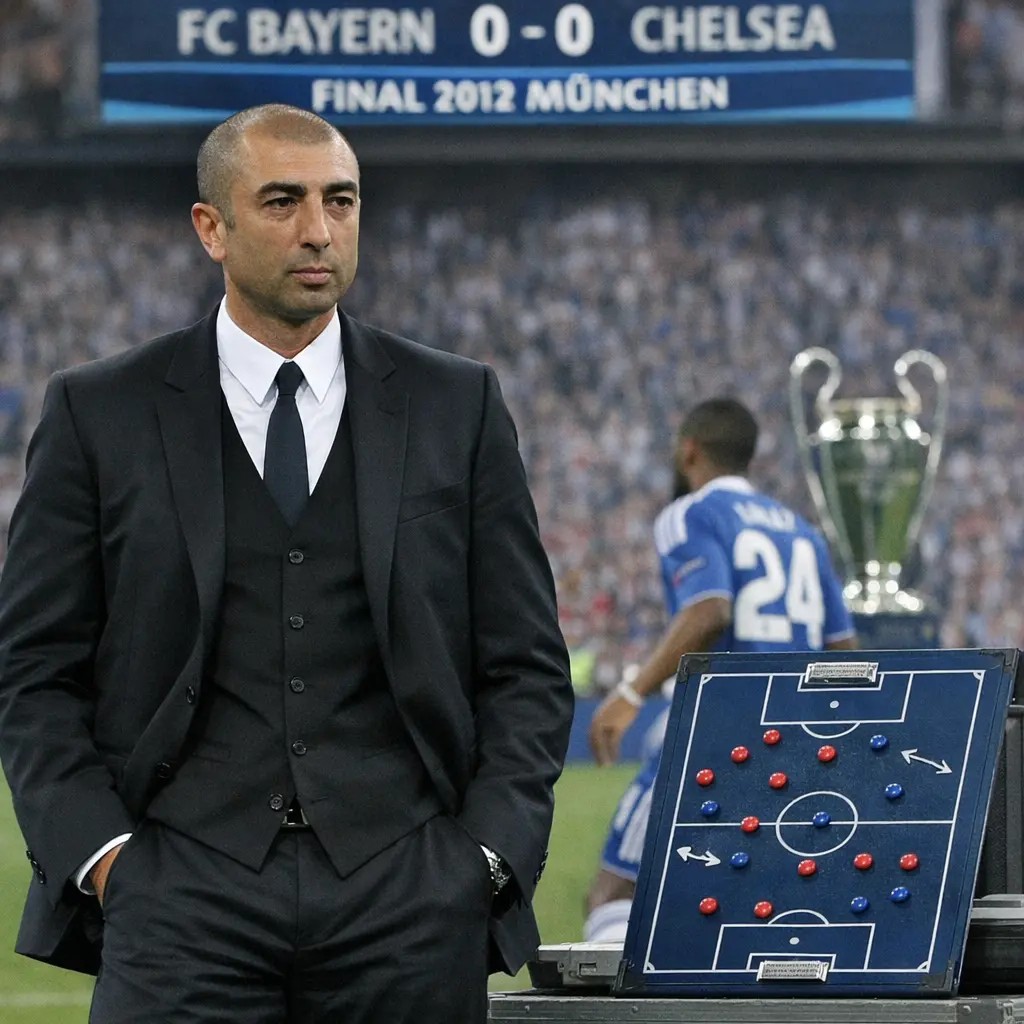
Roberto Di Matteo’s 2012 pragmatism with Chelsea F.C. refers to his tactical approach during their Champions League-winning campaign. Taking over mid-season, Di Matteo prioritized defensive solidity, organization, and counter-attacking football. He often set up his team to absorb pressure and capitalize on opponents’ mistakes, notably against Barcelona and Bayern Munich. This practical, results-oriented style brought Chelsea their first Champions League title, emphasizing effectiveness over flair.
Roberto Di Matteo: 2012 Pragmatism
Roberto Di Matteo’s 2012 pragmatism with Chelsea F.C. refers to his tactical approach during their Champions League-winning campaign. Taking over mid-season, Di Matteo prioritized defensive solidity, organization, and counter-attacking football. He often set up his team to absorb pressure and capitalize on opponents’ mistakes, notably against Barcelona and Bayern Munich. This practical, results-oriented style brought Chelsea their first Champions League title, emphasizing effectiveness over flair.
💡 Key Takeaways
- Grasp how Di Matteo's pragmatic, results-focused approach shaped Chelsea's 2012 season.
- Learn how prioritizing defensive solidity and swift counter-attacks helped secure key wins, including the Champions League.
- Understand the importance of adaptability and player management during a caretaker-to-champion transition.
- Explore how timely in-match decisions and focused squad rotation contributed to Chelsea's major trophies on a limited budget.
❓ Frequently Asked Questions
Who is Roberto Di Matteo and why is 2012 notable?
Roberto Di Matteo is a former Chelsea manager who guided the team to major trophies in 2012, including the UEFA Champions League, after taking charge mid-season with a pragmatic, results-focused approach.
What does 'pragmatism' mean in Di Matteo's Chelsea team?
A practical, efficiency-driven style that emphasizes solid defense, compact midfield, and quick transitions to exploit opponents' weaknesses.
What formations did Di Matteo commonly use during Chelsea's 2012 run?
He used flexible formations and defensive shapes, often with a setup like 4-2-3-1 or 4-3-3, adapting to opponents for solid defense and counter-attacking opportunities.
What was the impact of Di Matteo's pragmatism on Chelsea's 2012 season?
Chelsea won both the FA Cup and the UEFA Champions League, with resilient defense and effective counter-attacks that defined the pragmatic approach.