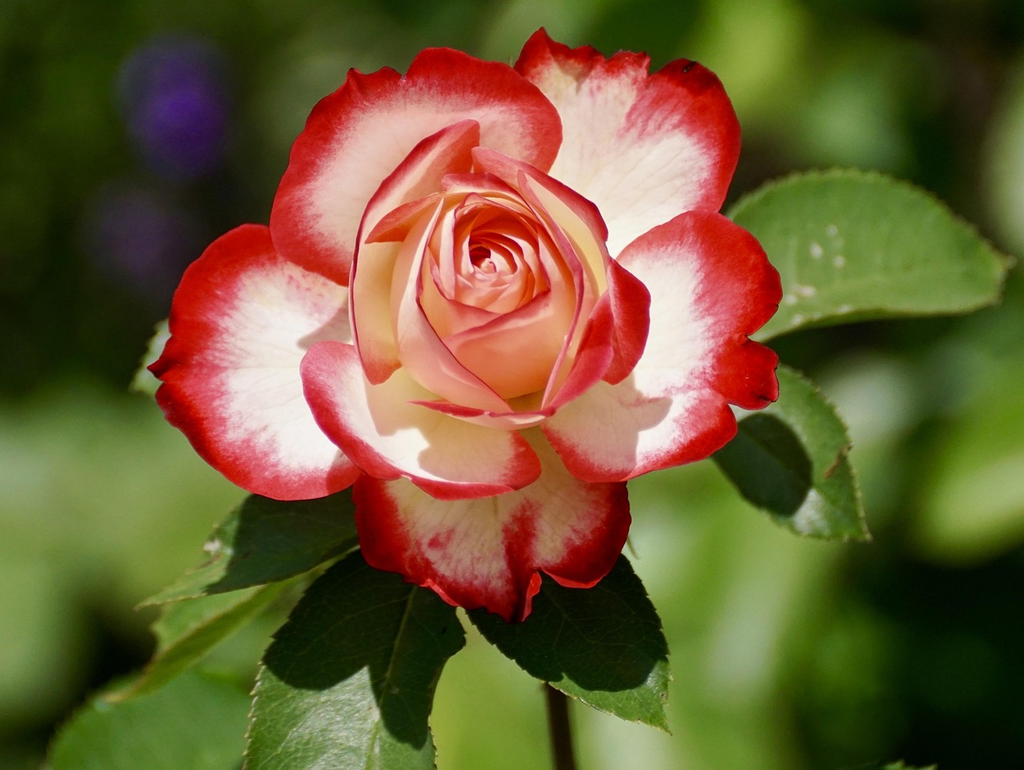
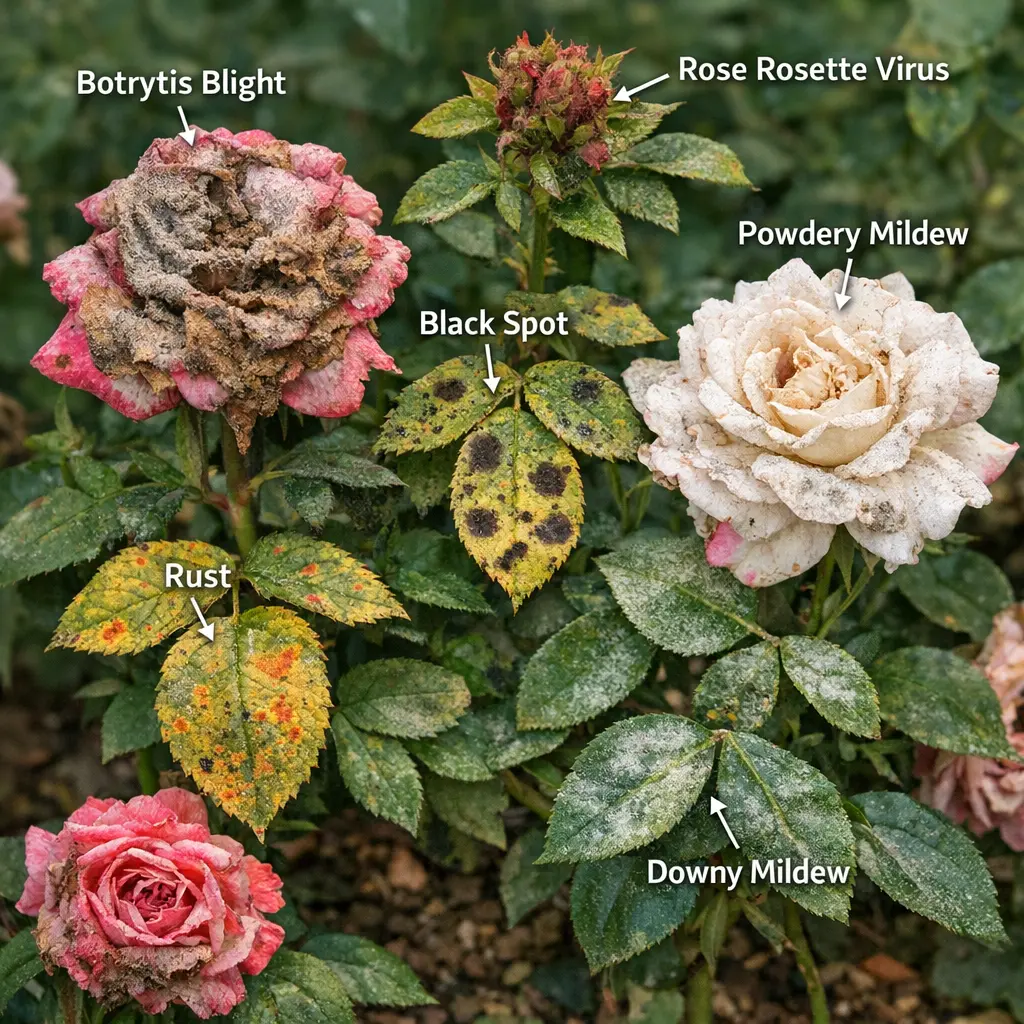
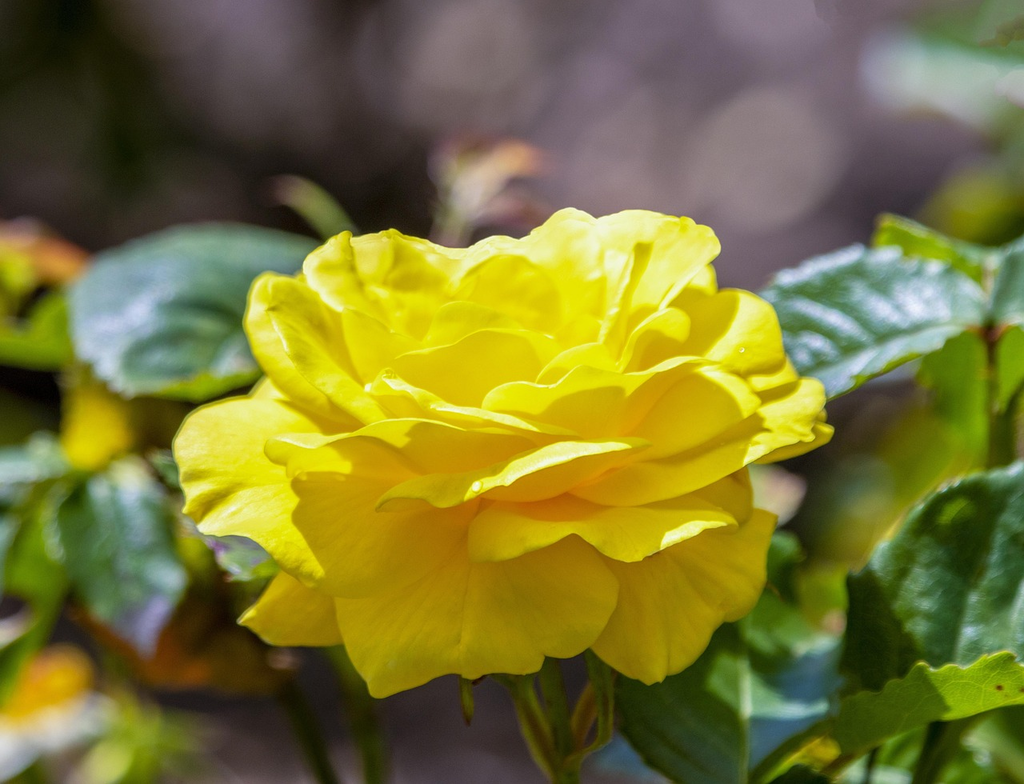
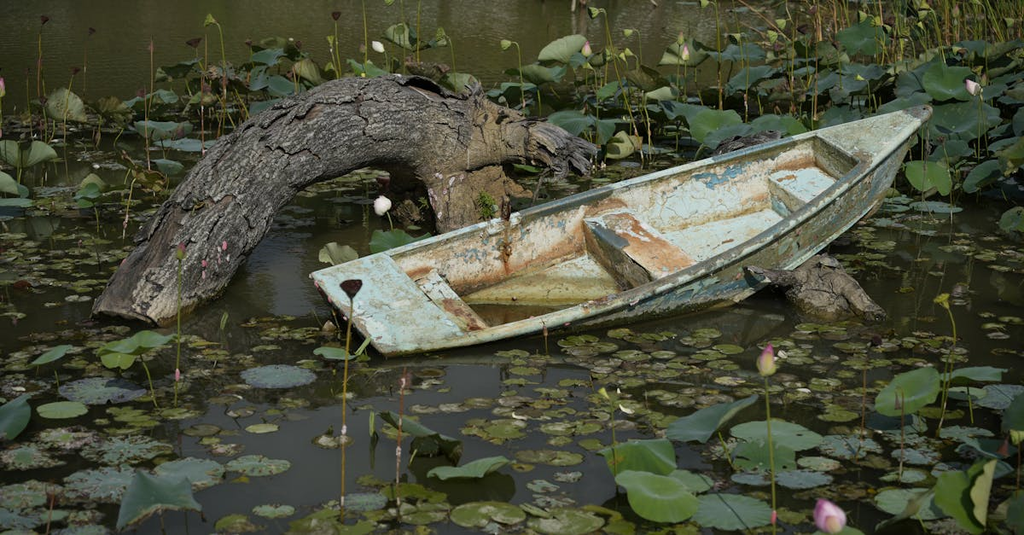
Lotuses play a vital role in ecosystems by providing habitat and food for various aquatic organisms, including fish, insects, and birds. Their broad leaves offer shade, reducing water temperature and limiting algae growth, which helps maintain water quality. Lotuses also stabilize sediment with their roots, preventing erosion. Like roses, lotuses contribute to pollination processes, supporting biodiversity and sustaining healthy wetland environments essential for numerous species.
Role of Lotuses in Ecosystems
Lotuses play a vital role in ecosystems by providing habitat and food for various aquatic organisms, including fish, insects, and birds. Their broad leaves offer shade, reducing water temperature and limiting algae growth, which helps maintain water quality. Lotuses also stabilize sediment with their roots, preventing erosion. Like roses, lotuses contribute to pollination processes, supporting biodiversity and sustaining healthy wetland environments essential for numerous species.
💡 Key Takeaways
- Learn how lotus plants influence aquatic ecosystems through nutrient uptake, water purification, and oxygenation.
- Discover the lotus life cycle and how its leaves, flowers, and seeds support wildlife and pollinators.
- Understand the lotus's role in sediment stabilization, erosion control, and providing habitat structure in wetlands.
- Explore biodiversity and conservation considerations when cultivating lotus in natural or artificial water bodies.
❓ Frequently Asked Questions
What is the lotus and where does it grow?
The lotus is an aquatic plant (often Nelumbo nucifera) with round leaves and large flowers that grow in freshwater ponds, lakes, and slow-moving wetlands; it roots in the mud and sends stems to the surface.
How do lotus plants influence water quality and habitat?
Lotuses stabilize sediments with their rhizomes, shade the water to reduce algae, and uptake excess nutrients (nitrogen and phosphorus), helping keep the water clearer and healthier for aquatic life.
How are lotus flowers pollinated?
Lotus flowers attract pollinators such as beetles and bees with scent and nectar; pollination occurs as insects move between blooms, leading to seed development.
What ecological roles do lotus seeds and plant parts play?
Seeds provide a food source for birds and fish and can remain viable for long periods; leaves and flowers offer shade and habitat for insects and microorganisms; tubers store energy for the plant and can support wildlife.