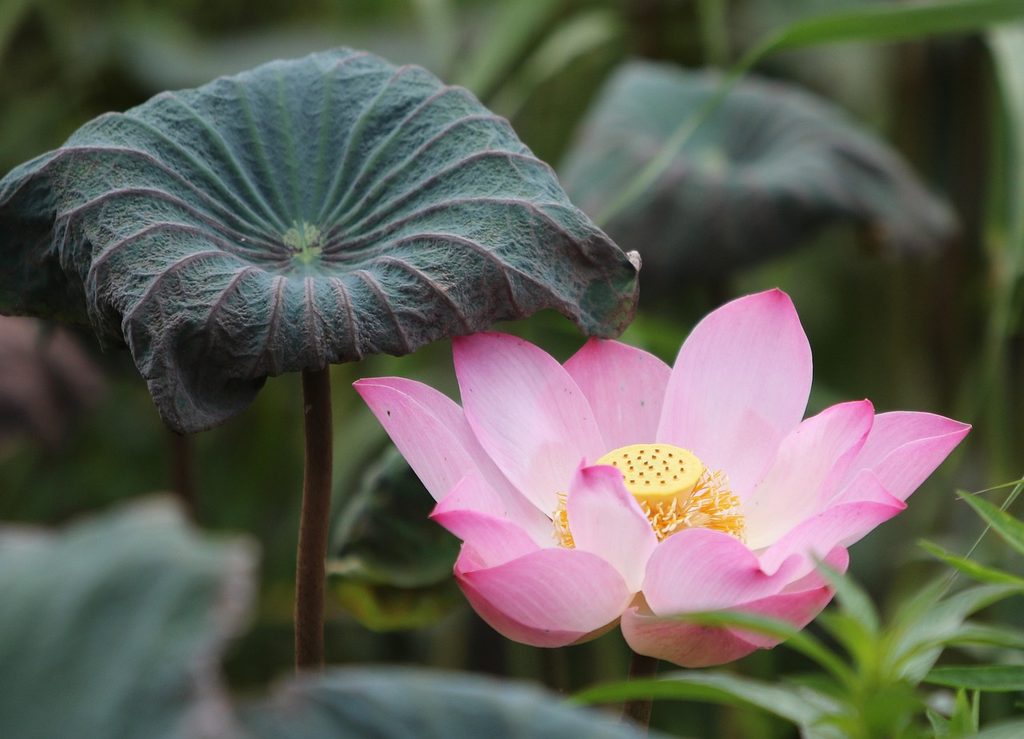
Roses play a vital role in ecosystems by attracting pollinators such as bees, butterflies, and birds with their vibrant blooms and sweet fragrance. Their nectar and pollen support these pollinators, which in turn help fertilize plants and maintain biodiversity. Like lotuses, roses also provide shelter for small insects and contribute to soil health through organic matter from fallen petals and leaves, fostering a balanced and thriving natural environment.
Role of Roses in Ecosystems
Roses play a vital role in ecosystems by attracting pollinators such as bees, butterflies, and birds with their vibrant blooms and sweet fragrance. Their nectar and pollen support these pollinators, which in turn help fertilize plants and maintain biodiversity. Like lotuses, roses also provide shelter for small insects and contribute to soil health through organic matter from fallen petals and leaves, fostering a balanced and thriving natural environment.

💡 Key Takeaways
- Understand how roses attract pollinators (bees and butterflies) and support local biodiversity
- Learn how rose hips and plant debris provide food for wildlife and aid seed dispersal
- Explore how roses contribute to habitat complexity and microhabitats for insects and other organisms
- Recognize ecological considerations of native vs. non-native roses, including potential invasiveness in some regions
❓ Frequently Asked Questions
How do roses support pollinators?
Roses provide nectar and pollen for bees, butterflies, and other insects, aiding pollination and sustaining pollinator-friendly ecosystems. Many varieties bloom at different times for continuous food sources.
What other ecological benefits can roses offer?
Dense rose bushes can provide shelter for insects and birds, while fallen leaves and stems add organic matter to the soil. In hedgerows, roses help with habitat structure and erosion control.
Are garden roses native to ecosystems or are they cultivated?
Most garden roses are hybrids and non-native; native wild roses exist, but cultivated varieties are typically grown as ornamentals. In some places, non-native roses can become invasive, though this is uncommon.
What ecological drawbacks might roses have?
Roses can host pests and diseases (e.g., aphids, powdery mildew, black spot, rust) that affect other plants. They may require pesticides; using integrated pest management helps protect wildlife.