Roman Art & Architecture refers to the artistic and architectural achievements of Ancient Rome, spanning from the Republic through the Empire. It is characterized by grand structures like the Colosseum and aqueducts, innovative engineering such as the arch and concrete, and realistic sculptures and frescoes. Roman art drew inspiration from Greek traditions but emphasized practicality, grandeur, and the glorification of emperors, leaving a lasting influence on Western art and architectural movements.
Roman Art & Architecture
Roman Art & Architecture refers to the artistic and architectural achievements of Ancient Rome, spanning from the Republic through the Empire. It is characterized by grand structures like the Colosseum and aqueducts, innovative engineering such as the arch and concrete, and realistic sculptures and frescoes. Roman art drew inspiration from Greek traditions but emphasized practicality, grandeur, and the glorification of emperors, leaving a lasting influence on Western art and architectural movements.
💡 Key Takeaways
- Identify key architectural features of Roman architecture (arches, vaults, domes) and the role of concrete
- Explain how Roman engineering shaped public buildings and infrastructure (amphitheaters, aqueducts, baths)
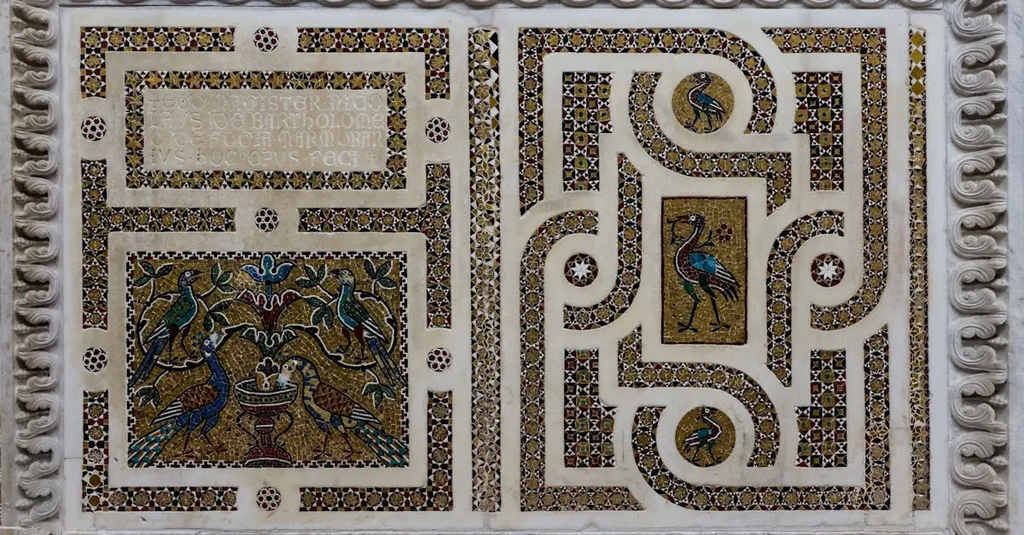
- Recognize iconic Roman artworks and decoration (frescoes, mosaics, sculpture) and their imperial propaganda themes
- Compare Roman art with Greek influences and note distinctive Roman stylistic adaptations
❓ Frequently Asked Questions
What distinguishes Roman architecture from Greek architecture?
Romans used arches, vaults, and concrete to build large-scale structures like aqueducts, basilicas, and the Colosseum.
What is opus caementicium and why is it important?
Roman concrete (opus caementicium) combined lime mortar, volcanic ash, and aggregates to create durable, load-bearing walls and domes.
What is the Pantheon famous for?
A circular temple with a large unreinforced concrete dome and an oculus, showcasing advanced Roman engineering.
What is an amphitheater and what was it used for?
An oval or circular arena with tiered seating around a central space, used for public spectacles like gladiatorial games.
How did Romans decorate interiors in their buildings?
Frescoes on walls and mosaics on floors were common, often depicting mythological scenes and decorative patterns.