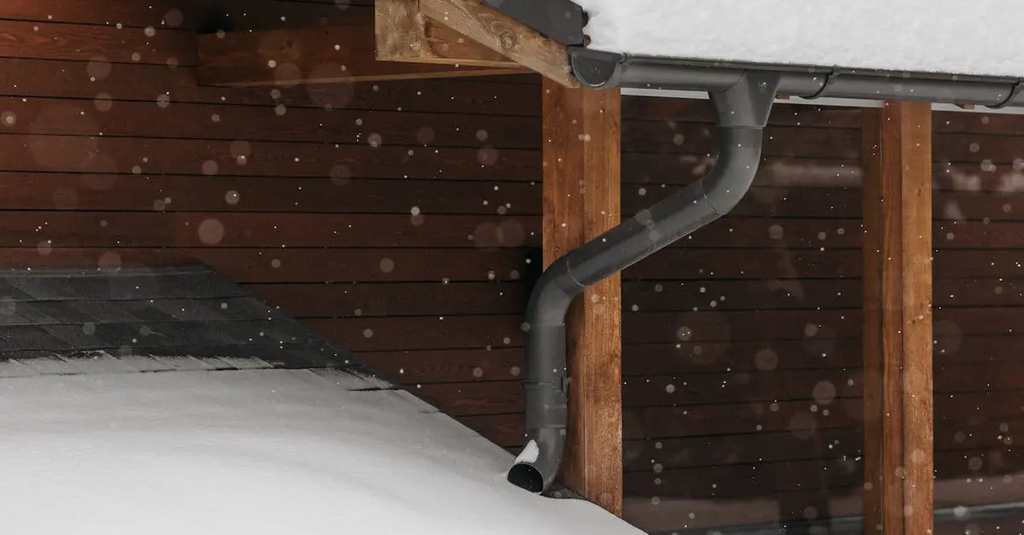
Roofing, flashing, and gutters are essential components of a building’s exterior that work together to protect it from water damage. Roofing provides the primary barrier against rain and weather, while flashing is used to seal joints and edges, preventing leaks at vulnerable spots such as chimneys and valleys. Gutters collect and channel rainwater away from the structure, safeguarding the foundation and landscaping from erosion and moisture problems.
Roofing, Flashing & Gutters
Roofing, flashing, and gutters are essential components of a building’s exterior that work together to protect it from water damage. Roofing provides the primary barrier against rain and weather, while flashing is used to seal joints and edges, preventing leaks at vulnerable spots such as chimneys and valleys. Gutters collect and channel rainwater away from the structure, safeguarding the foundation and landscaping from erosion and moisture problems.
💡 Key Takeaways
- Understand how roofing, flashing, and gutters work together to keep your home dry.
- Learn the purpose of flashing around chimneys, vents, and roof joints to prevent leaks.
- See how gutters and downspouts direct rainwater away from your foundation and landscaping.
- Identify common maintenance tasks and warning signs to extend roof life and prevent costly repairs.
❓ Frequently Asked Questions
What is the purpose of roofing in a home?
Roofing provides the primary barrier against rain and weather, helping keep interior spaces dry and protecting insulation and structure.
What is flashing and where is it placed?
Flashing is a thin metal or other material installed at roof joints and edges (around chimneys, vents, skylights) to seal gaps and prevent leaks.
What do gutters do and why are they important?
Gutters collect rainwater from the roof and channel it away from the foundation, helping prevent water damage and soil erosion.
How are roofing, flashing, and gutters connected?
Roofing blocks most water entry, flashing seals joints and penetrations, and gutters manage runoff; together they protect the home from leaks and water damage.
When should you call a professional for roofing, flashing, or gutters issues?
If you notice leaks, missing or damaged shingles, loose flashing, or overflowing gutters, or if a safety risk is involved, contact a licensed roofing professional.