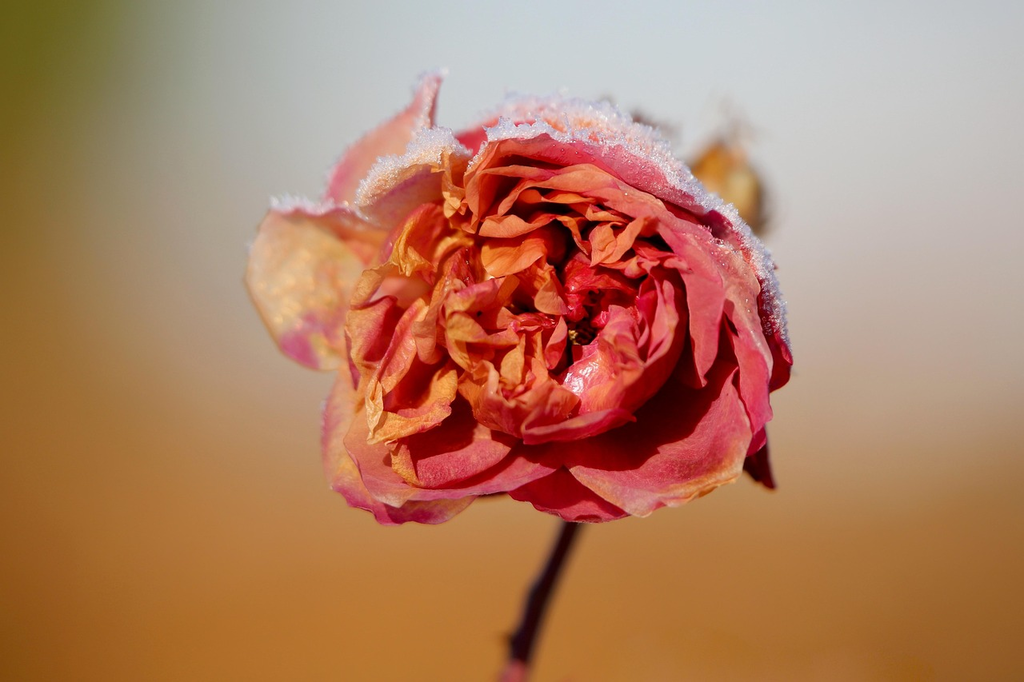
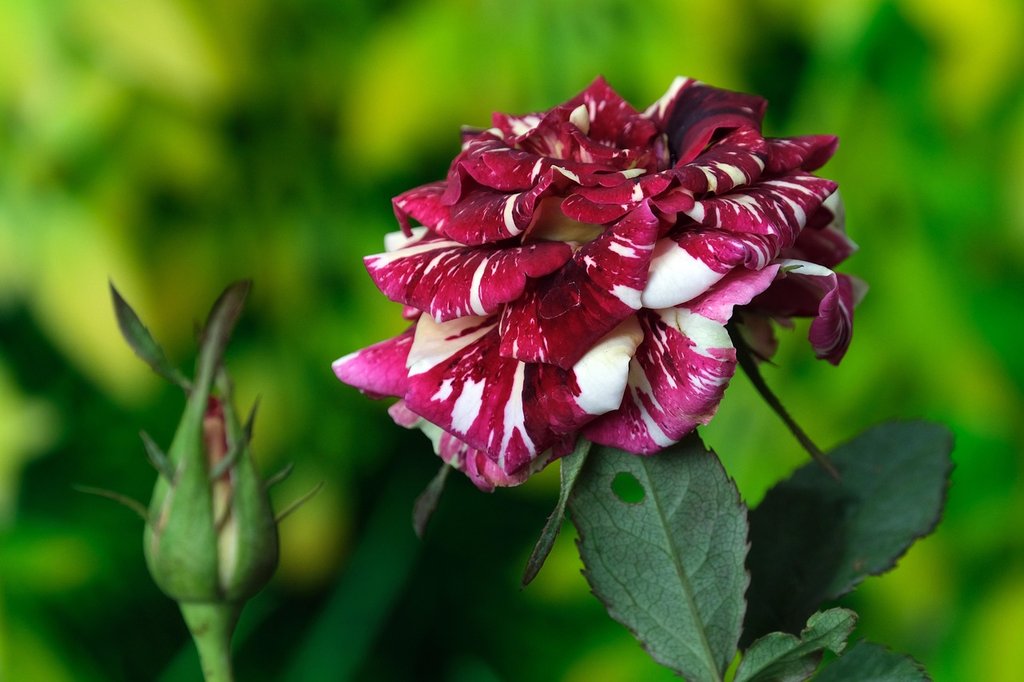
Rose genetic diversity refers to the wide range of genetic variations found within rose species, influencing traits such as color, fragrance, size, and resistance to diseases. This diversity is crucial for breeding new varieties and adapting to changing environments. When considering flower blooms like roses and lotuses, genetic diversity ensures a rich array of forms and characteristics, enhancing their ornamental value and ecological resilience in gardens and natural habitats.
Rose Genetic Diversity
Rose genetic diversity refers to the wide range of genetic variations found within rose species, influencing traits such as color, fragrance, size, and resistance to diseases. This diversity is crucial for breeding new varieties and adapting to changing environments. When considering flower blooms like roses and lotuses, genetic diversity ensures a rich array of forms and characteristics, enhancing their ornamental value and ecological resilience in gardens and natural habitats.
💡 Key Takeaways
- Understand what genetic diversity is and why it matters for roses.
- Identify sources of variation in roses (species, cultivars, hybrids, mutations).
- Learn common approaches to assess rose genetics and trait variation in breeding.
- Explore how genetic diversity influences traits such as disease resistance, flower form and color, and adaptability.
❓ Frequently Asked Questions
What is genetic diversity in roses?
The variety of genetic differences within and among rose populations, influencing traits like color, scent, growth, and disease resistance.
Why is rose genetic diversity important for breeding?
More genetic diversity provides more options for selecting desirable traits, improving disease resistance, climate adaptability, and creating new cultivars.
How is genetic diversity measured in roses?
Researchers analyze DNA markers (e.g., SNPs, AFLPs) to estimate allele variety and heterozygosity, using metrics like Nei's diversity or Fst.
What are common sources of rose genetic diversity?
Wild Rosa species, traditional garden varieties, landraces, and hybridizations, plus occasional genetic introgression from related species.