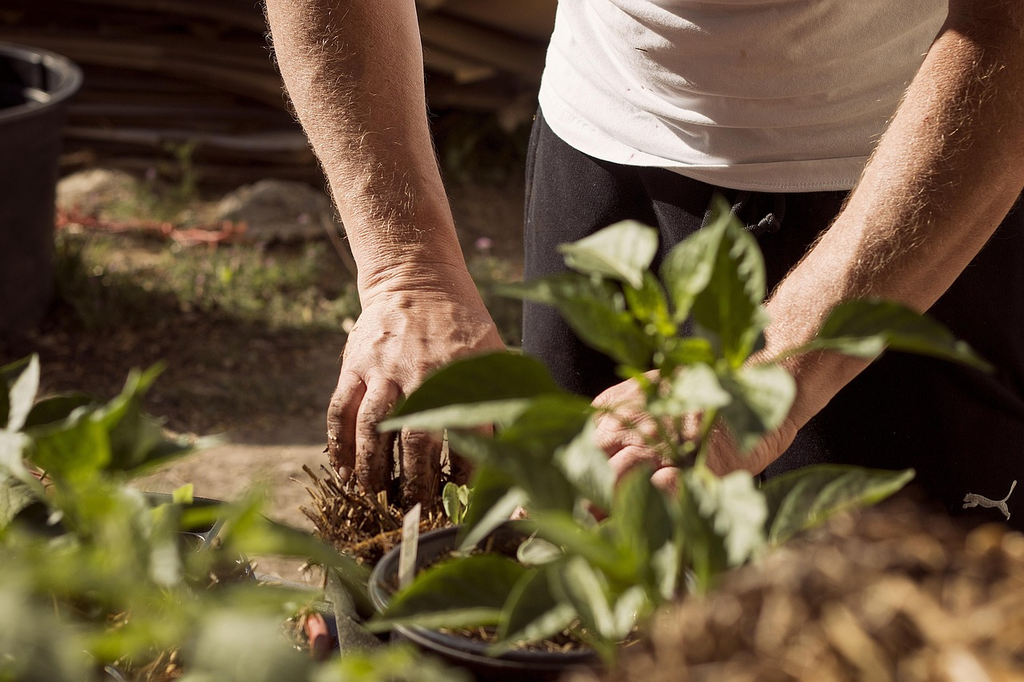
Rose growing conditions require well-drained, fertile soil, ample sunlight (at least six hours daily), and regular watering to promote healthy flower blooms. Roses thrive in slightly acidic to neutral pH levels and benefit from mulching to retain moisture and suppress weeds. Proper air circulation helps prevent diseases. While lotuses also need sunlight and rich soil, they grow in aquatic environments, unlike roses, which prefer terrestrial settings for optimal blooming.
Rose Growing Conditions
Rose growing conditions require well-drained, fertile soil, ample sunlight (at least six hours daily), and regular watering to promote healthy flower blooms. Roses thrive in slightly acidic to neutral pH levels and benefit from mulching to retain moisture and suppress weeds. Proper air circulation helps prevent diseases. While lotuses also need sunlight and rich soil, they grow in aquatic environments, unlike roses, which prefer terrestrial settings for optimal blooming.
💡 Key Takeaways
- Identify essential growing conditions: sun, soil drainage, water, and air circulation.
- Ensure roses receive 6+ hours of direct sun daily for strong blooms.
- Plant in well-draining soil with a pH around 6.0–7.0 and water deeply at the base.
- Maintain spacing, prune properly, and fertilize to promote healthy growth and reduce disease.
❓ Frequently Asked Questions
What sunlight do roses need?
Most roses perform best with at least 6 hours of direct sun each day; more sun supports stronger blooms and fewer fungal problems.
What soil and drainage are ideal for roses?
Plant roses in deep, well-draining soil rich in organic matter with a pH around 6.0–6.5; amend heavy clay or sandy soils to improve structure and drainage.
How should roses be watered?
Water deeply at the base, about 1–2 inches per week (more in hot weather), and avoid wetting the foliage to reduce disease; mulch helps retain moisture.
When and how should you fertilize roses?
Begin feeding in spring after new growth starts, using a balanced or rose-specific fertilizer; follow label directions and avoid late-season feeding to prevent tender growth before winter.