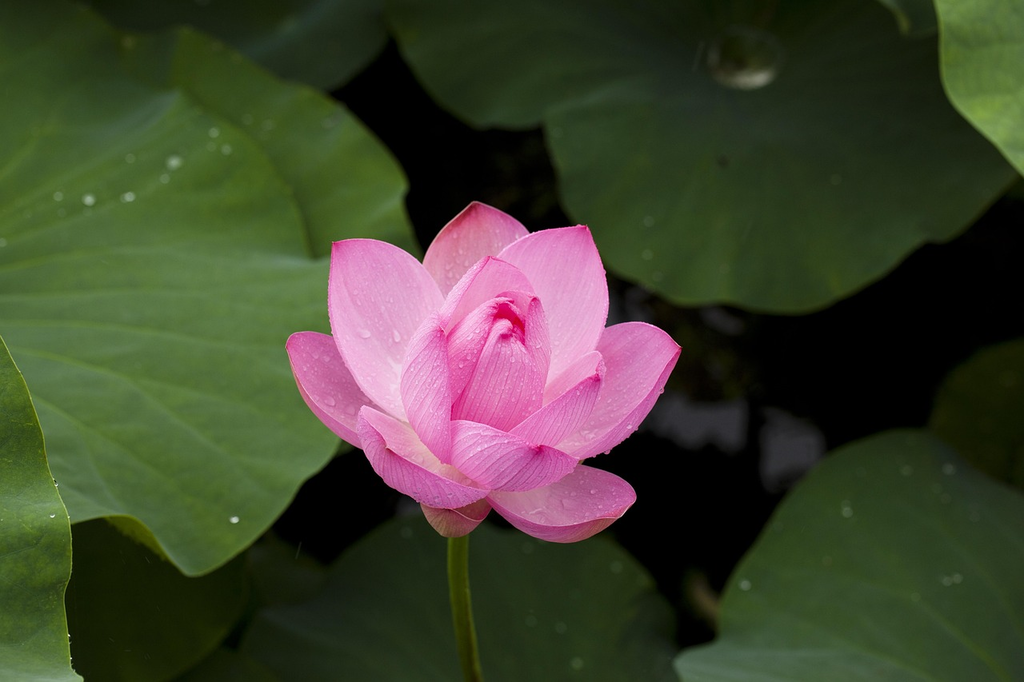
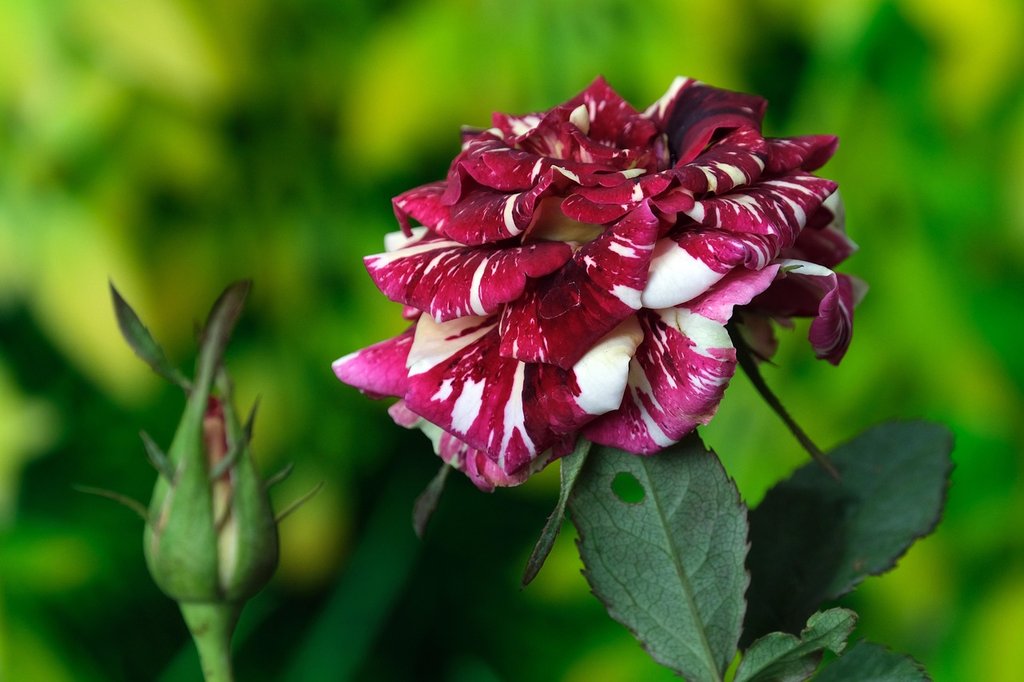
Rose preservation techniques involve methods to maintain the freshness and beauty of rose and lotus blooms for extended periods. Common techniques include air drying, silica gel drying, glycerin preservation, and freeze-drying. These methods help retain the flowers’ color, shape, and texture, making them suitable for decorative purposes, keepsakes, or floral arrangements. Proper preservation ensures that the delicate petals and overall appearance of the blooms remain intact and visually appealing over time.
Rose Preservation Techniques
Rose preservation techniques involve methods to maintain the freshness and beauty of rose and lotus blooms for extended periods. Common techniques include air drying, silica gel drying, glycerin preservation, and freeze-drying. These methods help retain the flowers’ color, shape, and texture, making them suitable for decorative purposes, keepsakes, or floral arrangements. Proper preservation ensures that the delicate petals and overall appearance of the blooms remain intact and visually appealing over time.
💡 Key Takeaways
- Explore common rose preservation methods (air-drying, silica gel, pressing, and freeze-drying) and when to use each
- Learn how to prepare roses for preservation (timing, trimming, and leaf removal) to maximize results
- Understand how to preserve color, shape, and longevity, and what trade-offs to expect
- Get tips for storing and displaying preserved roses to extend their shelf life
❓ Frequently Asked Questions
When is the best time to harvest roses for preservation?
Harvest when buds show color but are not fully open; trim stems and remove excess leaves for clean processing.
What is air-drying and what are its advantages and limitations?
Hang roses upside down in a dry, dark, well-ventilated area. It’s inexpensive and simple, but colors may fade and petals can become brittle.
How does silica gel drying preserve roses?
Bury or layer roses in silica gel to quickly remove moisture while keeping shape and color; faster than air-drying with good results.
What is glycerin preservation for roses?
Submerge stems in a glycerin solution so petals absorb the liquid, yielding flexible, longer-lasting roses; color may darken slightly.
What is freeze-drying and when should you use it?
Freeze-drying removes moisture under low temperature and vacuum, best for preserving color and structure but requires specialized equipment or services.