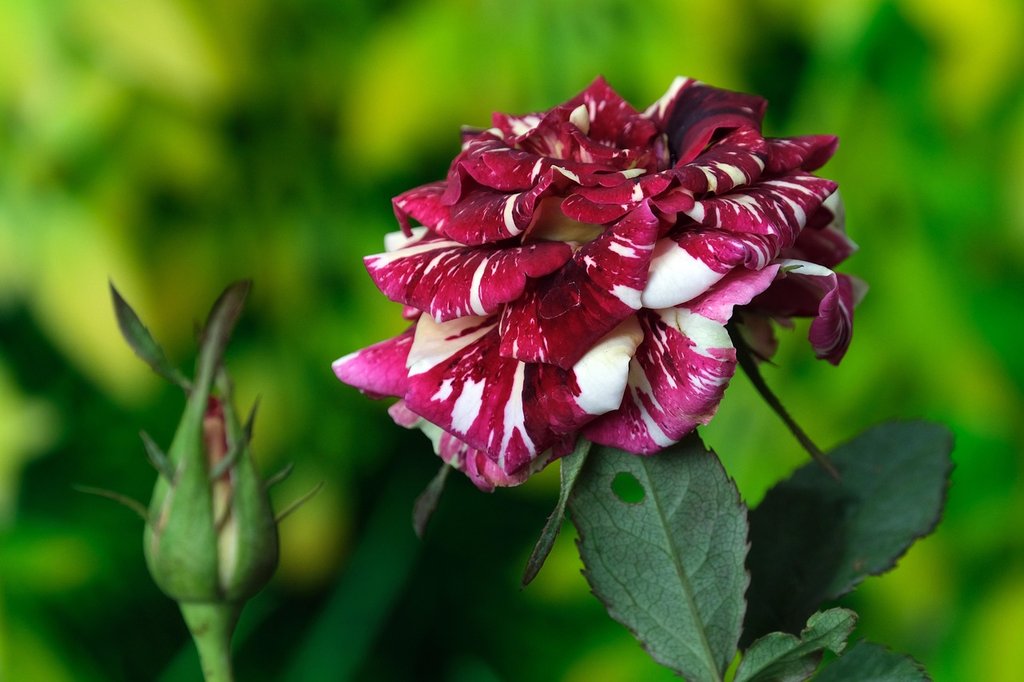
Roses in literature often symbolize love, passion, and beauty, while their thorns hint at pain or sacrifice intertwined with affection. The blooming of a rose can represent blossoming relationships or the unfolding of inner emotions. When paired with lotuses, which signify purity and spiritual awakening, the imagery deepens, contrasting earthly desires with transcendence. Together, these flowers evoke themes of duality—earthly love and spiritual growth—enriching literary symbolism.
Rose Representation in Literature
Roses in literature often symbolize love, passion, and beauty, while their thorns hint at pain or sacrifice intertwined with affection. The blooming of a rose can represent blossoming relationships or the unfolding of inner emotions. When paired with lotuses, which signify purity and spiritual awakening, the imagery deepens, contrasting earthly desires with transcendence. Together, these flowers evoke themes of duality—earthly love and spiritual growth—enriching literary symbolism.

💡 Key Takeaways
- Understand the symbolic meanings of roses in literature (love, beauty, secrecy, mortality).
- Learn how authors use rose imagery to reveal emotions and relationships between characters.
- Identify common rose-related motifs, such as roses representing secret love or thorny danger.
- Compare rose symbolism across different literary periods and cultures to see how meaning shifts.
❓ Frequently Asked Questions
What does a rose typically symbolize in literature?
Roses commonly symbolize love and beauty, but their meaning can shift to secrecy, passion, mortality, or purity depending on context and color.
How do rose colors influence literary meaning?
Red often signals romantic love, white denotes purity or mourning, pink indicates admiration, yellow can mean friendship or jealousy, orange suggests enthusiasm, and black or blue can signify death, mystery, or the unattainable.
What does the phrase 'sub rosa' mean and how is it used in literature?
Sub rosa, Latin for 'under the rose,' signals secrecy or confidential discussion within a text.
What are common motifs involving roses in literature?
Typical motifs include rose gardens as settings, petals representing beauty and transience, thorns symbolizing pain or obstacles, and the rose as a reminder of life’s fragility.