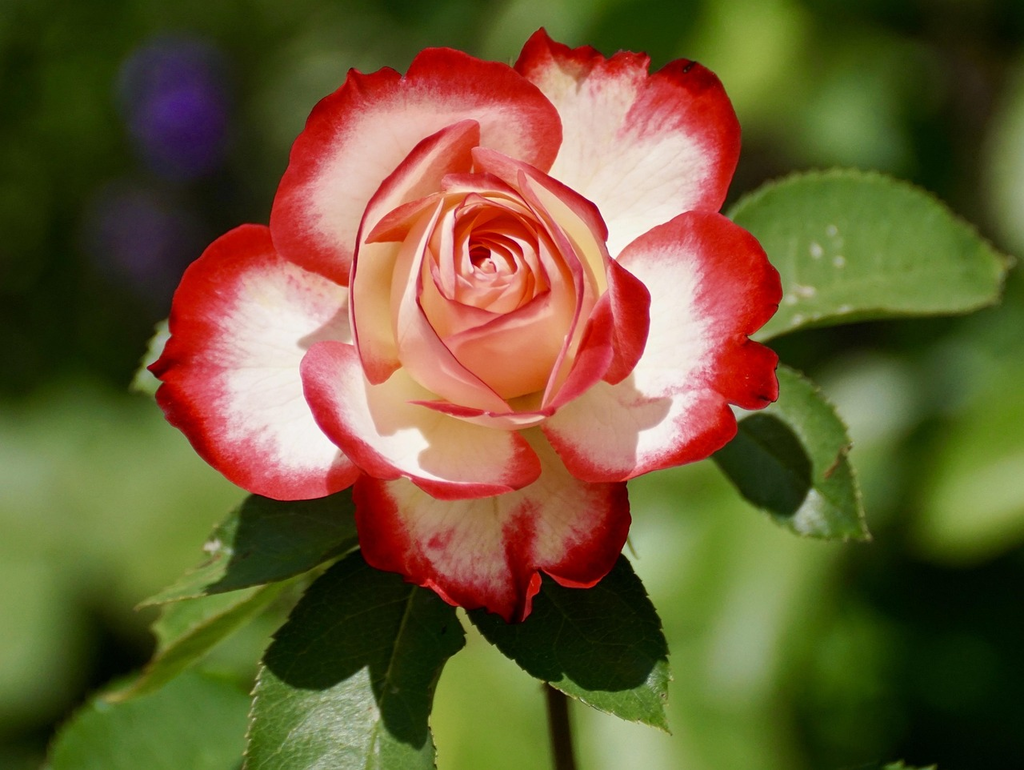
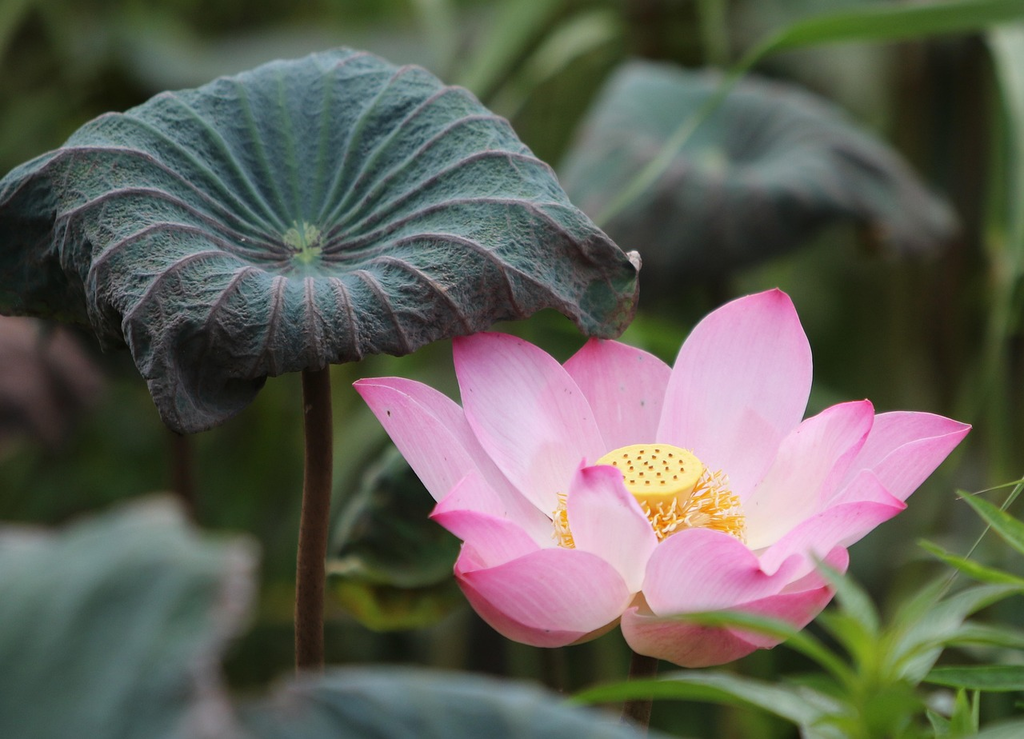
Roses symbolize love, beauty, and passion in Western cultures, often linked to romance and deep emotions. In Eastern traditions, such as in Persia and India, roses also represent spiritual wisdom and divine love. Lotuses, prominent in Asian cultures, especially Hinduism and Buddhism, symbolize purity, enlightenment, and rebirth, as they bloom unstained from muddy waters. Both flowers, though culturally distinct, convey profound meanings of transformation, purity, and the depth of human experience.
Rose Symbolism in Different Cultures
Roses symbolize love, beauty, and passion in Western cultures, often linked to romance and deep emotions. In Eastern traditions, such as in Persia and India, roses also represent spiritual wisdom and divine love. Lotuses, prominent in Asian cultures, especially Hinduism and Buddhism, symbolize purity, enlightenment, and rebirth, as they bloom unstained from muddy waters. Both flowers, though culturally distinct, convey profound meanings of transformation, purity, and the depth of human experience.
💡 Key Takeaways
- Understand the diverse meanings of roses across cultures (love, beauty, secrecy, respect).
- Learn how rose color changes symbolism in different regions (red, white, yellow, pink).
- Explore the role of roses in rituals and ceremonies (weddings, funerals, festivals).
- Discover the historical roots of rose symbolism in myth, religion, and literature and how modern interpretations differ.
❓ Frequently Asked Questions
What does a red rose symbolize in many cultures?
Love and romance; passion; sometimes respect or courage.
What does a white rose symbolize?
Purity and innocence; new beginnings; often used in weddings or funerals.
How is the yellow rose interpreted in modern contexts versus historical (Victorian-era) contexts?
Today it often means friendship and joy; in Victorian times it could signal jealousy or a request for attention.
Are roses used in religious or cultural symbolism beyond romance?
Yes. In Christianity, roses symbolize the Virgin Mary and divine love; in poetry and mysticism, they can symbolize the soul, beauty, and spiritual devotion.