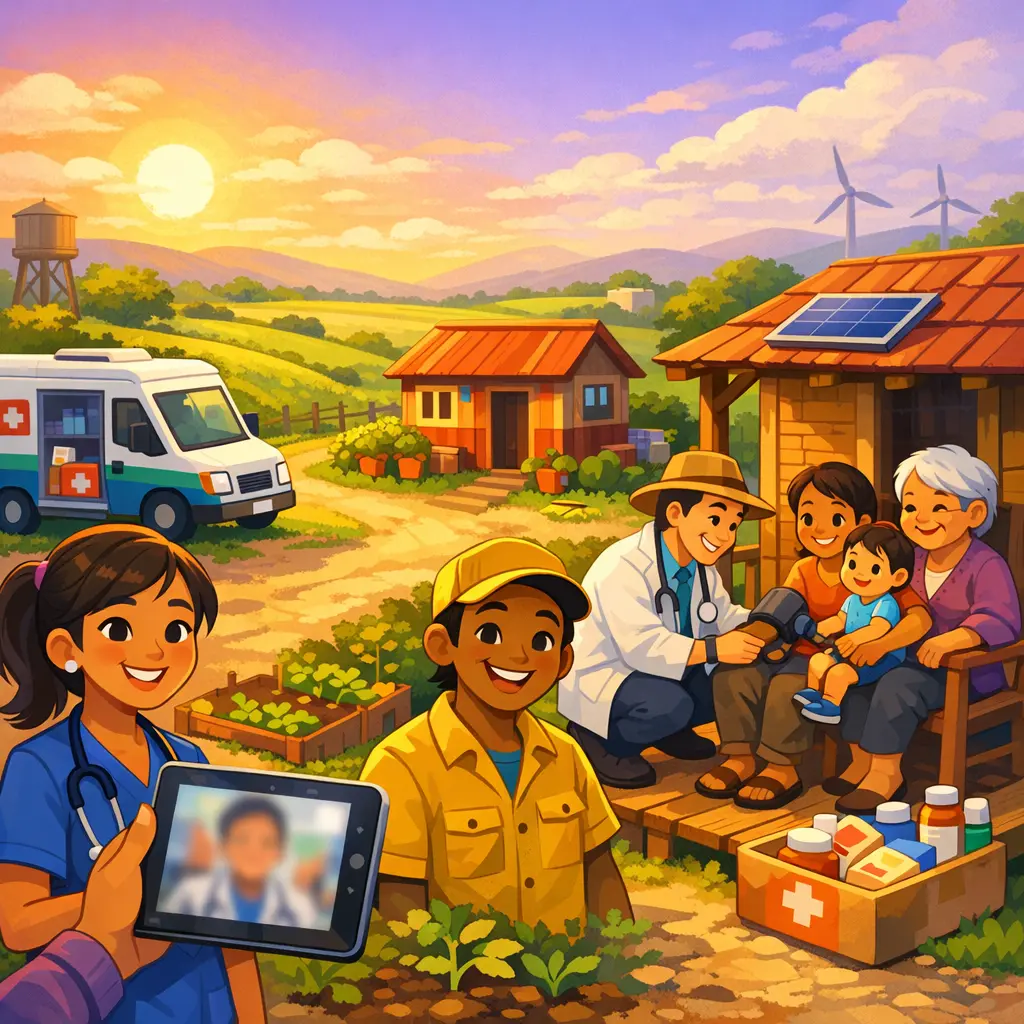
Rural and underserved medicine focuses on providing healthcare services to populations in remote or disadvantaged areas with limited access to medical resources. Professionals in this field address unique challenges such as physician shortages, lack of facilities, and socioeconomic barriers. Careers in rural and underserved medicine are vital for improving health outcomes, promoting health equity, and ensuring that vulnerable communities receive essential medical care, preventive services, and health education.
Rural & Underserved Medicine
Rural and underserved medicine focuses on providing healthcare services to populations in remote or disadvantaged areas with limited access to medical resources. Professionals in this field address unique challenges such as physician shortages, lack of facilities, and socioeconomic barriers. Careers in rural and underserved medicine are vital for improving health outcomes, promoting health equity, and ensuring that vulnerable communities receive essential medical care, preventive services, and health education.
💡 Key Takeaways
- Identify barriers to care and workforce shortages specific to rural and underserved communities.
- Explain how social determinants of health impact rural patient outcomes and how to address them in care planning.
- Describe telemedicine and other innovative strategies that improve rural health access, including benefits and limitations.
- Outline strategies to build a sustainable rural health workforce and engage community partners.
❓ Frequently Asked Questions
What does rural and underserved medicine focus on?
Providing equitable health care to people in rural areas and underserved populations by improving access, outcomes, and the health workforce.
What are common barriers to healthcare in rural areas?
Long travel distances, transportation gaps, fewer clinicians and specialists, limited insurance coverage, and funding constraints.
How can telemedicine help rural communities?
Enables remote consultations and follow-ups, reducing travel and expanding access to specialists, though it relies on reliable internet and technology.
What strategies can improve rural health outcomes?
Recruiting and retaining clinicians, expanding telehealth and mobile clinics, addressing social determinants of health, and supporting community health workers.