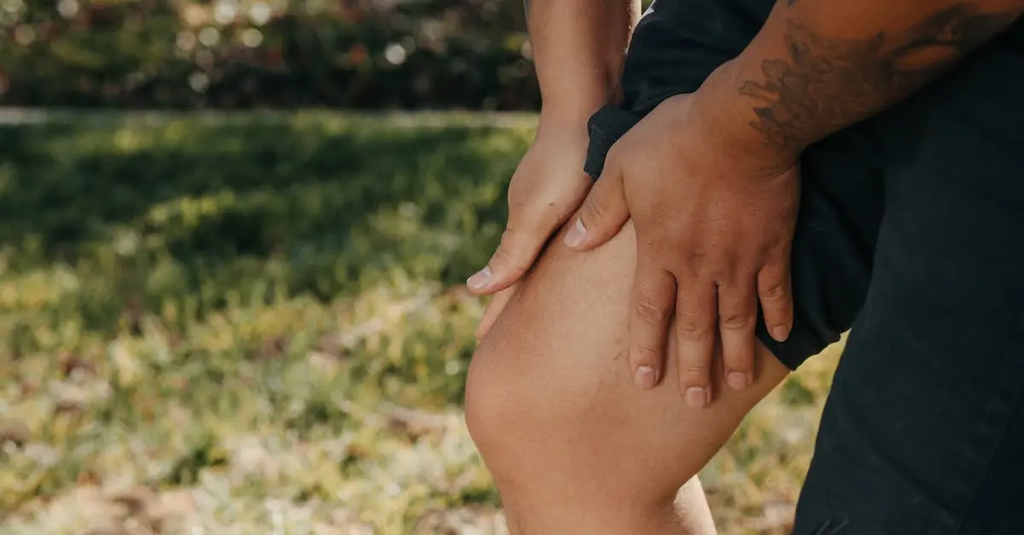
The phrase "Safety, Cuts, and Common Injuries" refers to the importance of maintaining safety to prevent cuts and other frequent injuries, especially in environments like kitchens, workplaces, or construction sites. It emphasizes awareness and precautionary measures to avoid accidents that can lead to lacerations, bruises, or minor wounds. Understanding common injuries and how to prevent them is crucial for ensuring personal well-being and promoting a safer environment for everyone involved.
Safety, Cuts, and Common Injuries
The phrase "Safety, Cuts, and Common Injuries" refers to the importance of maintaining safety to prevent cuts and other frequent injuries, especially in environments like kitchens, workplaces, or construction sites. It emphasizes awareness and precautionary measures to avoid accidents that can lead to lacerations, bruises, or minor wounds. Understanding common injuries and how to prevent them is crucial for ensuring personal well-being and promoting a safer environment for everyone involved.
💡 Key Takeaways
- Identify common causes of cuts and injuries in kitchens, workplaces, and construction sites.
- Apply essential safety precautions and PPE to prevent cuts and lacerations.
- Use proper tool handling, knife safety, and equipment maintenance to reduce risk.
- Know how to establish a quick safety checklist and respond to accidents when they occur.
❓ Frequently Asked Questions
What are common causes of cuts and injuries in kitchens, workplaces, or construction sites?
Sharp tools and blades, mishandling or wrong technique, dull blades that slip, and hazards like exposed nails, broken glass, or wet floors.
How can you prevent cuts and injuries in these environments?
Keep blades sharp and guarded; use the right tool for the job; wear PPE and avoid loose clothing; keep work areas clean and dry; store sharp items securely.
What PPE helps prevent cuts, and when should you use it?
Use cut-resistant gloves when handling sharp objects, safety glasses when there’s a risk of flying particles, and sturdy footwear; wear task-specific PPE as needed.
What should you do if you get a minor cut?
Rinse with clean water, apply pressure to stop bleeding, clean around the wound, apply antiseptic, cover with a sterile bandage, and monitor for infection; seek medical care if deep or dirty.