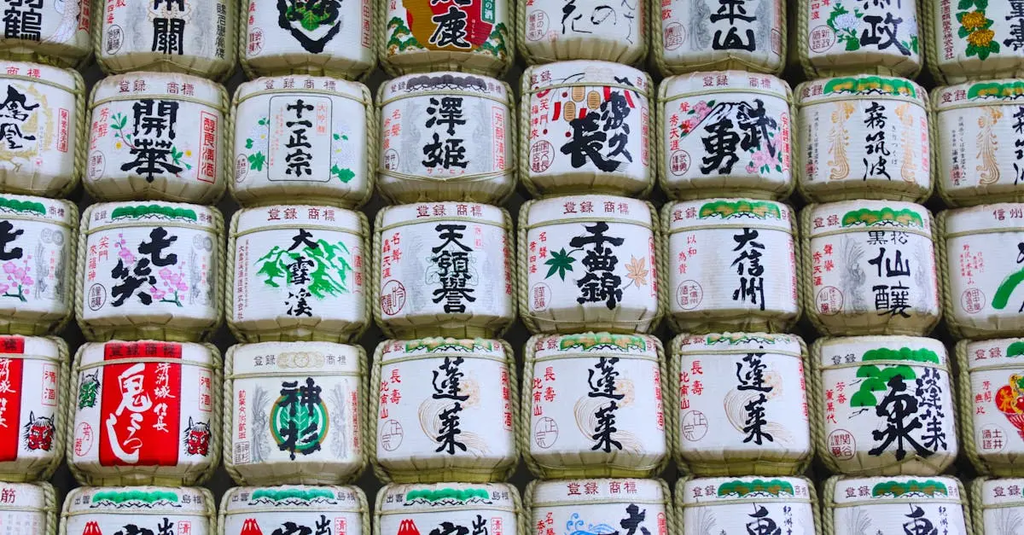
Sake, soju, and rice wines are traditional alcoholic beverages originating from East Asia, primarily made by fermenting rice. Sake is a Japanese rice wine with a delicate, slightly sweet flavor, often served warm or cold. Soju, from Korea, is typically stronger in alcohol content and has a neutral taste, sometimes flavored. Rice wines, a broader category, refer to various Asian drinks produced from fermented rice, each with unique regional characteristics and cultural significance.
Sake, Soju, and Rice Wines
Sake, soju, and rice wines are traditional alcoholic beverages originating from East Asia, primarily made by fermenting rice. Sake is a Japanese rice wine with a delicate, slightly sweet flavor, often served warm or cold. Soju, from Korea, is typically stronger in alcohol content and has a neutral taste, sometimes flavored. Rice wines, a broader category, refer to various Asian drinks produced from fermented rice, each with unique regional characteristics and cultural significance.
💡 Key Takeaways
- Differentiate sake, soju, and other rice wines by their production methods (brewed vs distilled) and how that affects flavor, aroma, and alcohol content.
- Identify typical flavor profiles and serving styles: sake is delicate and can be enjoyed warm or cold, while soju is a higher-ABV, neutral-flavored spirit with a clean finish.
- Know the origins and cultural contexts (Japan for sake, Korea for soju) and how regional practices influence production and labeling.
- Learn practical tasting and food-pairing tips and clear up common myths about rice wines (e.g., rice wine is not the same as grape wine).
❓ Frequently Asked Questions
What are sake, soju, and rice wines, and where do they come from?
They are traditional East Asian beverages made by fermenting rice. Sake is Japanese, soju is Korean, and “rice wines” can refer to other rice-based drinks from the region.
How is sake made, and what does the rice polishing ratio mean?
Sake is made by fermenting polished rice with koji mold and yeast. Polishing removes outer rice layers to affect aroma and flavor; the ratio influences quality and style. Typical ABV is about 15–20%.
How should sake be served and why does temperature matter?
Sake can be served warm or cold. Warmer temperatures can mellow some flavors, while chilling highlights delicate aromas; the best temperature depends on the style and personal preference.
How does soju differ from sake in alcohol content and flavor?
Soju is typically stronger in alcohol and has a more neutral flavor. It is often distilled (or produced as a clear spirit), whereas sake is a fermented rice wine with more defined, nuanced flavors.