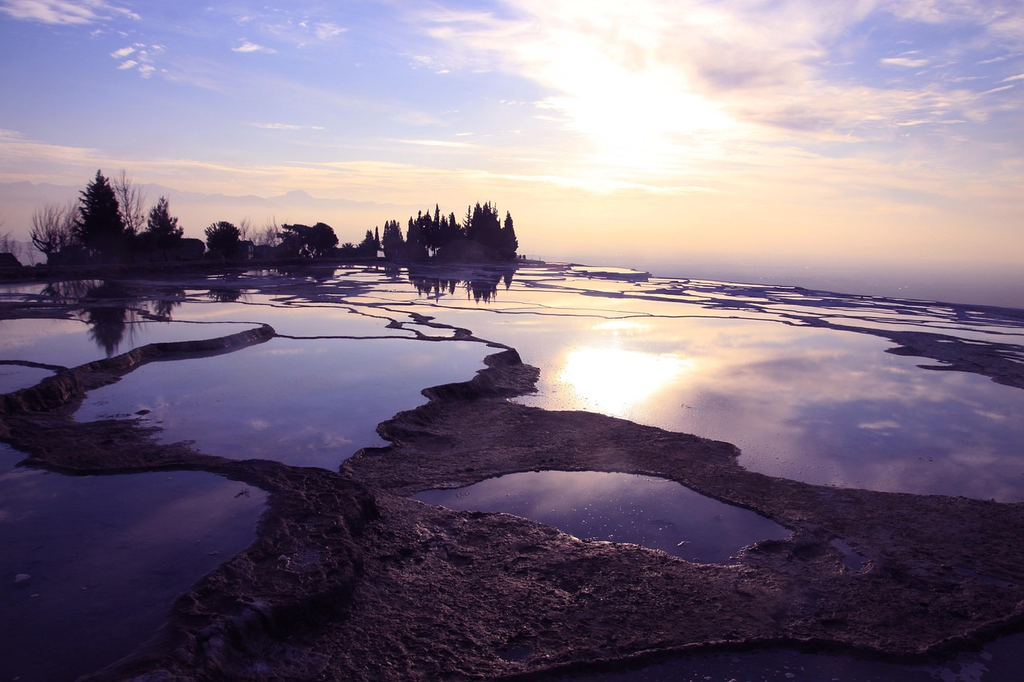
Salar de Uyuni, located in Bolivia, is the world’s largest salt flat, spanning over 10,000 square kilometers. Formed from prehistoric lakes, its vast, white expanse creates a surreal, mirror-like effect during the rainy season, reflecting the sky and clouds. Renowned as a natural wonder, Salar de Uyuni attracts visitors for its breathtaking beauty, unique landscapes, and significance as a major source of lithium, making it both a natural and economic landmark.
Salar de Uyuni
Salar de Uyuni, located in Bolivia, is the world’s largest salt flat, spanning over 10,000 square kilometers. Formed from prehistoric lakes, its vast, white expanse creates a surreal, mirror-like effect during the rainy season, reflecting the sky and clouds. Renowned as a natural wonder, Salar de Uyuni attracts visitors for its breathtaking beauty, unique landscapes, and significance as a major source of lithium, making it both a natural and economic landmark.

💡 Key Takeaways
- Understand what Salar de Uyuni is and where it is located in Bolivia.
- Learn how the salt flat formed as an ancient evaporite lake.
- Discover features like the mirror-like surface after rain and its high-altitude setting (~3,656 meters).
- Explore the economic and environmental aspects, including salt and lithium brine mining and tourism impact.
❓ Frequently Asked Questions
What is Salar de Uyuni?
The world’s largest salt flat, located in southwest Bolivia, formed from the dried-up remains of ancient lakes, leaving a vast, flat salt crust.
Where is Salar de Uyuni located and what is its altitude?
It’s near the town of Uyuni in Potosí Department, Bolivia, at about 3,656 meters (11,995 feet) above sea level.
Why does Salar de Uyuni look like a giant mirror in the rainy season?
A thin layer of rainwater on the salt surface creates a nearly perfect reflection of the sky.
Why is Salar de Uyuni important for lithium?
Beneath the salt crust lies one of the world’s largest lithium-rich brines, making it a major source for batteries.
Is Salar de Uyuni part of a protected area?
Yes, parts of the region lie within the Eduardo Avaroa Andean Fauna National Reserve, offering protection for wildlife.