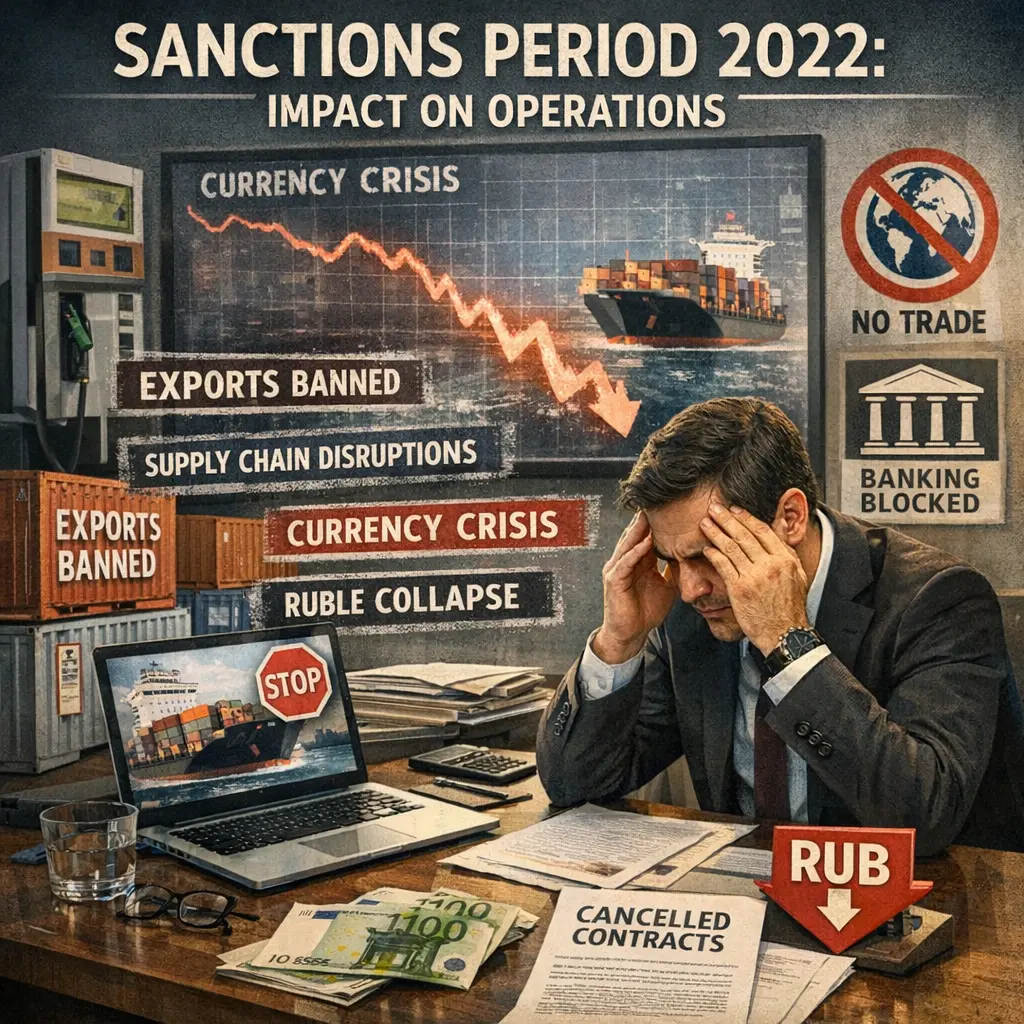
The Sanctions Period of 2022 significantly disrupted Chelsea F.C.’s operations after the UK government imposed restrictions on then-owner Roman Abramovich. The club faced limitations on ticket sales, merchandise, player transfers, and contract negotiations. Financial transactions were closely monitored, impacting revenue streams and operational flexibility. Staff and players experienced uncertainty, while fans faced restricted access to matches. Despite these challenges, Chelsea maintained on-field performance but operated under strict government oversight until new ownership was secured.
Sanctions Period 2022: Impact on Operations
The Sanctions Period of 2022 significantly disrupted Chelsea F.C.’s operations after the UK government imposed restrictions on then-owner Roman Abramovich. The club faced limitations on ticket sales, merchandise, player transfers, and contract negotiations. Financial transactions were closely monitored, impacting revenue streams and operational flexibility. Staff and players experienced uncertainty, while fans faced restricted access to matches. Despite these challenges, Chelsea maintained on-field performance but operated under strict government oversight until new ownership was secured.
💡 Key Takeaways
- Identify the 2022 sanctions changes and their impact on daily operations.
- Analyze supply-chain disruptions and supplier eligibility caused by sanctions.
- Explain the role of sanctions screening, licensing checks, and record-keeping in operations.
- Understand how sanctions affect payments, banking, and trade-finance decisions and risk mitigation.
❓ Frequently Asked Questions
What are sanctions and how can they affect operations during a sanctions period like 2022?
Sanctions are government-imposed restrictions on trade, finance, and travel with targeted countries, entities, or individuals. They can disrupt exports/imports, block payments, and require compliance changes, potentially altering suppliers, customers, and markets.
What is the difference between primary and secondary sanctions and why does it matter for your business?
Primary sanctions prohibit dealings with the listed targets. Secondary sanctions deter third parties from helping them. Both can impact your supply chain and finance if you interact with sanctioned parties or their networks.
What licensing and screening steps should you perform during sanctions periods?
Implement ongoing sanctions screening of counterparties and transactions, obtain any required licenses before dealing with restricted activities, and keep lists up to date (OFAC, EU, UK). Maintain documentation and training.
How can sanctions periods affect supply chains and payments, and how can you mitigate?
They can restrict exports, imports, and cross-border payments, causing delays and higher costs. Mitigate with diversified suppliers, alternative payment methods, inventory buffers, and proactive due diligence.