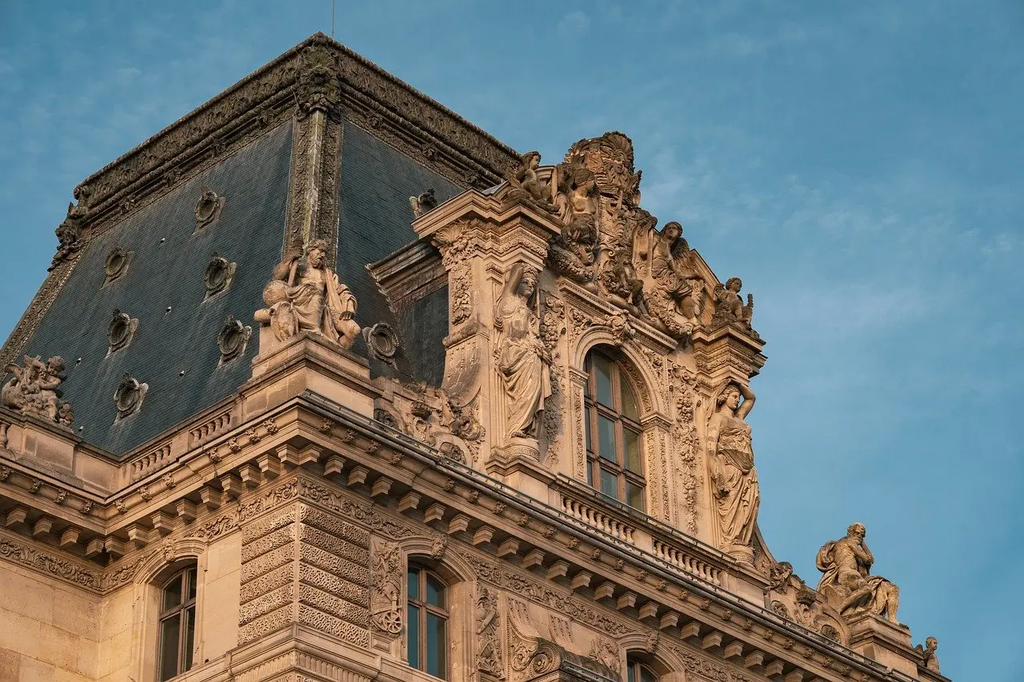
Sculpture and architecture landmarks are iconic structures or artistic creations that define a location’s cultural and historical identity. These landmarks often serve as symbols of artistic achievement, showcasing unique design, craftsmanship, and innovation. They attract visitors, inspire creativity, and preserve heritage, ranging from ancient monuments and grand cathedrals to modern public sculptures and skyscrapers. Such landmarks contribute significantly to a city’s visual landscape and collective memory.
Sculpture and Architecture Landmarks
Sculpture and architecture landmarks are iconic structures or artistic creations that define a location’s cultural and historical identity. These landmarks often serve as symbols of artistic achievement, showcasing unique design, craftsmanship, and innovation. They attract visitors, inspire creativity, and preserve heritage, ranging from ancient monuments and grand cathedrals to modern public sculptures and skyscrapers. Such landmarks contribute significantly to a city’s visual landscape and collective memory.
💡 Key Takeaways
- Identify what makes sculpture and architecture landmarks iconic and how they reflect a location's cultural identity.
- Explore the design principles, materials, and techniques used in landmark construction.
- Understand the role of landmarks in tourism, memory, and creative inspiration.
- Learn to recognize architectural styles and key features that distinguish famous sculpture and architecture landmarks.
❓ Frequently Asked Questions
What is a sculpture and architecture landmark?
An iconic structure or artwork that defines a location’s cultural and historical identity, notable for design, craftsmanship, and significance.
How do these landmarks reflect a place's culture and history?
Through distinctive styles, materials, symbolism, and the events or figures they commemorate, revealing local values and historical moments.
What is the difference between a sculpture landmark and an architecture landmark?
A sculpture landmark is a renowned public artwork that occupies space, while an architecture landmark is a building or structure celebrated for its design and engineering; some landmarks blend both.
Why are sculpture and architecture landmarks important for visitors and creativity?
They attract visitors, inspire creativity, set design benchmarks, and help preserve a location’s heritage and identity.