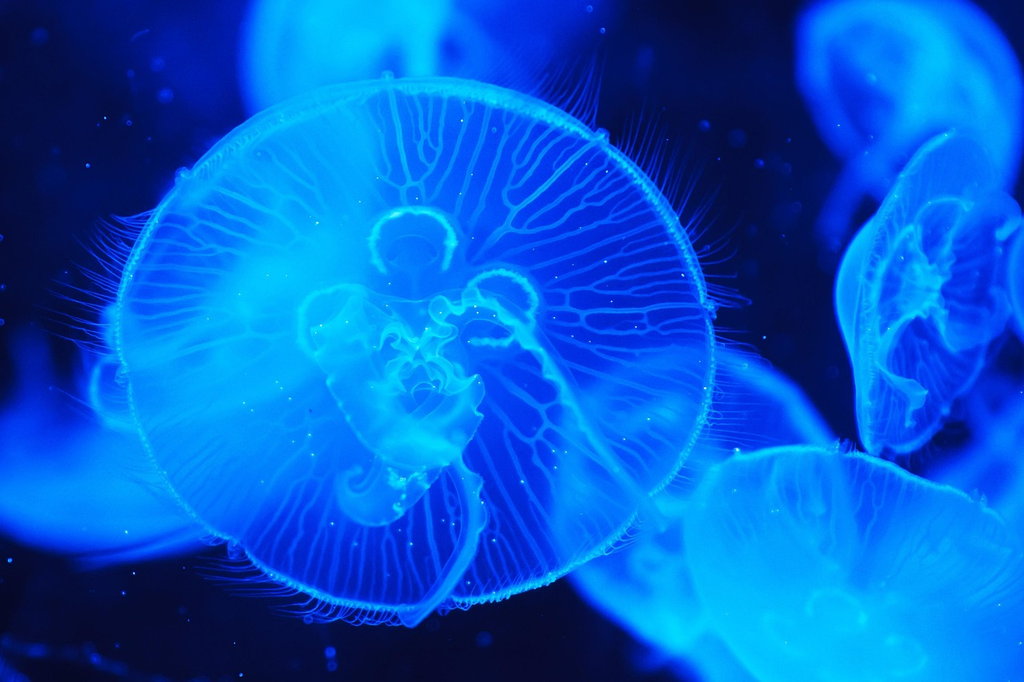
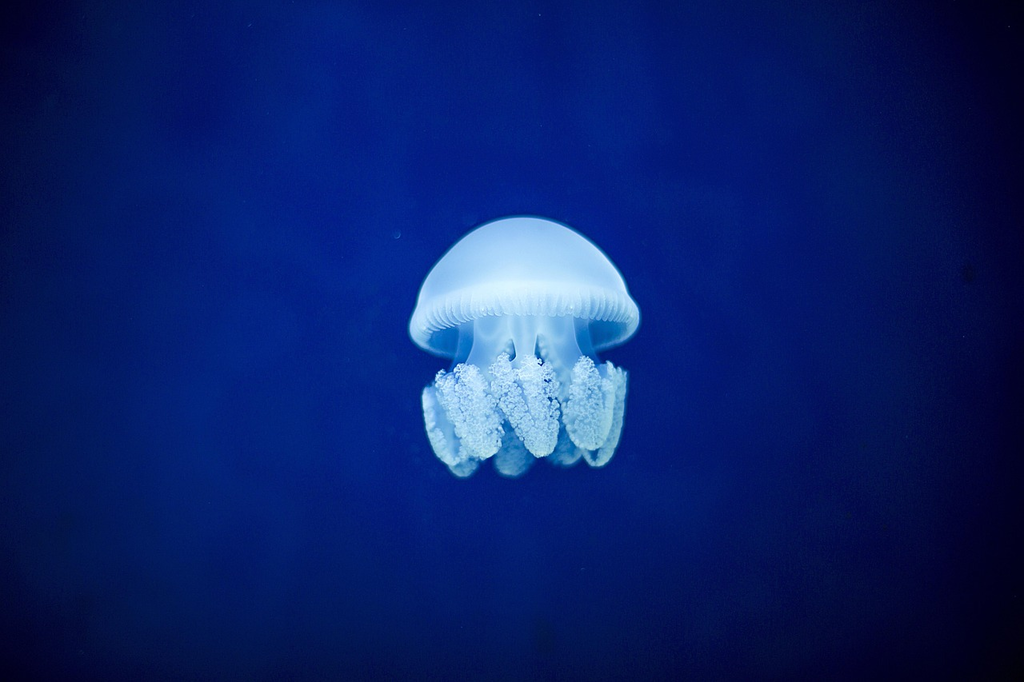
"Seashells and Marine Invertebrates" refers to the diverse, fascinating creatures without backbones that inhabit the world's oceans and seas. These include mollusks, such as snails and clams, whose shells often wash up on beaches as seashells, as well as starfish, sea urchins, and corals. Together, they play vital roles in marine ecosystems, contributing to food chains, nutrient cycling, and the creation of underwater habitats on Planet Earth.
Seashells and Marine Invertebrates+50
"Seashells and Marine Invertebrates" refers to the diverse, fascinating creatures without backbones that inhabit the world's oceans and seas. These include mollusks, such as snails and clams, whose shells often wash up on beaches as seashells, as well as starfish, sea urchins, and corals. Together, they play vital roles in marine ecosystems, contributing to food chains, nutrient cycling, and the creation of underwater habitats on Planet Earth.
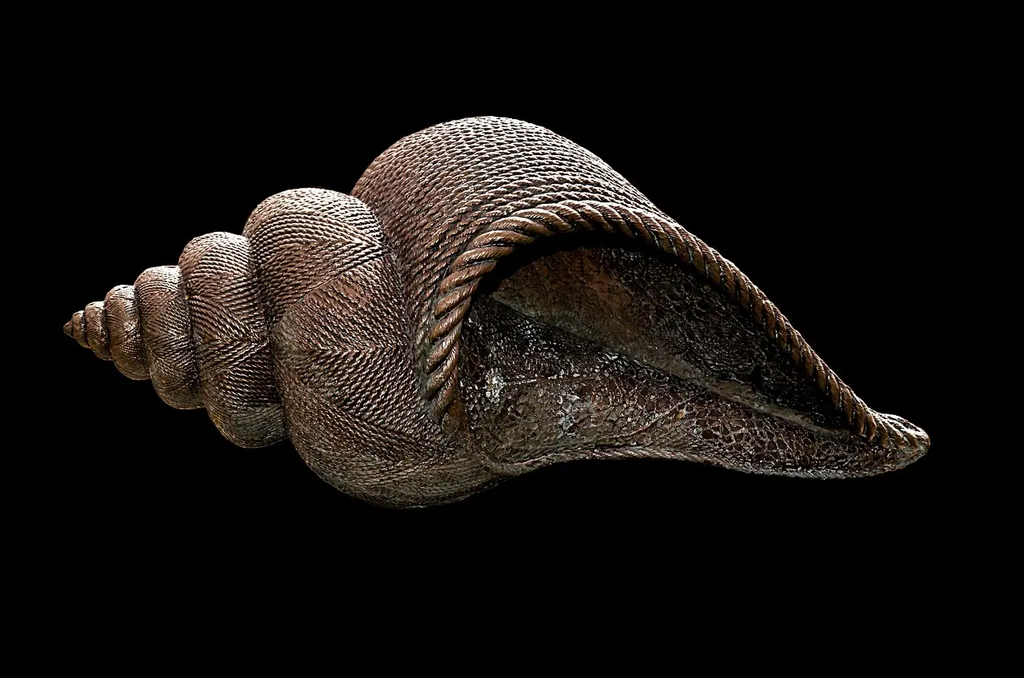
💡 Key Takeaways
- Understand the main shell-bearing marine invertebrate groups (gastropods like snails and bivalves like clams) and common examples.
- Learn how seashells form from calcium carbonate deposited by the mantle and what growth lines reveal about age and growth.
- Explore the ecological roles of shells and shell-bearing invertebrates in marine ecosystems (habitat, protection, and food webs).
- Discover responsible shell observing and conservation basics to protect marine biodiversity.
❓ Frequently Asked Questions
What is a seashell?
A hard outer cover produced mainly by mollusks (like snails and clams) to protect their bodies, usually made of calcium carbonate.
Which two mollusk groups produce most seashells?
Gastropods (single, often coiled shells) and bivalves (two hinged shells, like clams and oysters).
How can you tell a bivalve from a gastropod?
Bivalves have two hinged shells and no distinct head; gastropods usually have a single shell and a visible head.
Do all marine invertebrates have shells?
No. Many do not have shells, such as starfish (echinoderms) and octopuses (cephalopods).