Seasonal British produce refers to fruits, vegetables, and other food items grown and harvested in the United Kingdom at specific times of the year. Eating seasonally supports local farmers, ensures fresher and tastier ingredients, and reduces environmental impact by minimizing transportation. Examples include asparagus and strawberries in spring, berries and tomatoes in summer, apples and squash in autumn, and root vegetables like parsnips and leeks in winter. This approach celebrates the natural rhythm of British agriculture.
Seasonal British produce
Seasonal British produce refers to fruits, vegetables, and other food items grown and harvested in the United Kingdom at specific times of the year. Eating seasonally supports local farmers, ensures fresher and tastier ingredients, and reduces environmental impact by minimizing transportation. Examples include asparagus and strawberries in spring, berries and tomatoes in summer, apples and squash in autumn, and root vegetables like parsnips and leeks in winter. This approach celebrates the natural rhythm of British agriculture.
💡 Key Takeaways
- Identify which British fruits and vegetables are in season at different times of the year.
- Understand the environmental and community benefits of eating seasonal produce in the UK.
- Recognize how seasonality influences taste, texture, and price, and how this affects meal planning.
- Get practical tips for selecting, storing, and cooking seasonal British produce to maximize flavor.
❓ Frequently Asked Questions
What does seasonal British produce mean?
Seasonal British produce refers to fruits, vegetables, and other foods grown and harvested in the UK when they are naturally ready, aligned with local climate and harvest cycles.
Why is eating seasonally in the UK beneficial?
It supports local farmers, yields fresher and tastier ingredients, and typically lowers environmental impact by reducing transport and storage.
How can I tell what's in season in Britain?
Consult UK harvest calendars or seasonality guides, look for 'British grown' labels, and follow month-by-month season lists (e.g., apples in autumn, brassicas in winter).
What are some examples of seasonal British produce by season?
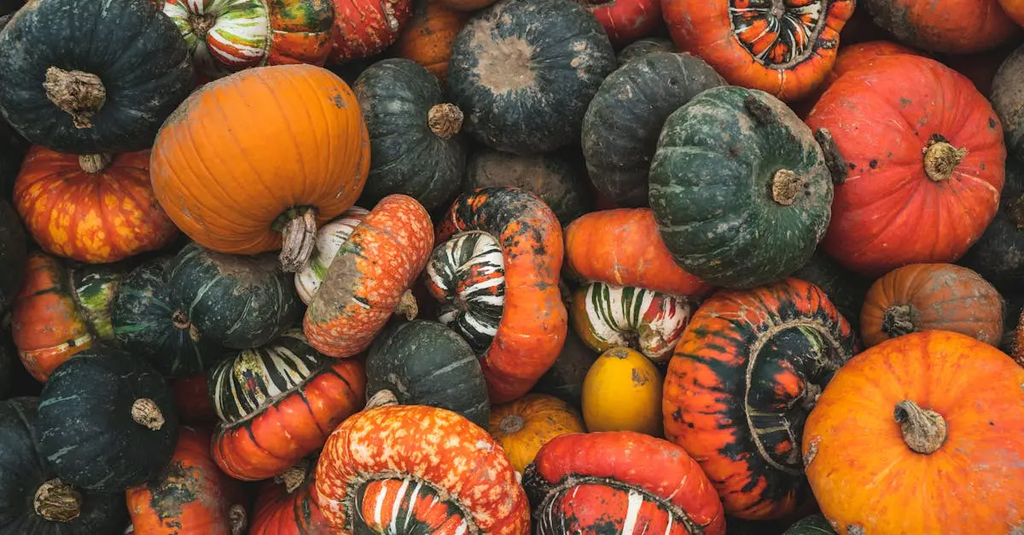
Spring: asparagus, rhubarb. Summer: strawberries, peas, broad beans. Autumn: apples, blackberries, pumpkins. Winter: kale, Brussels sprouts, carrots, parsnips.