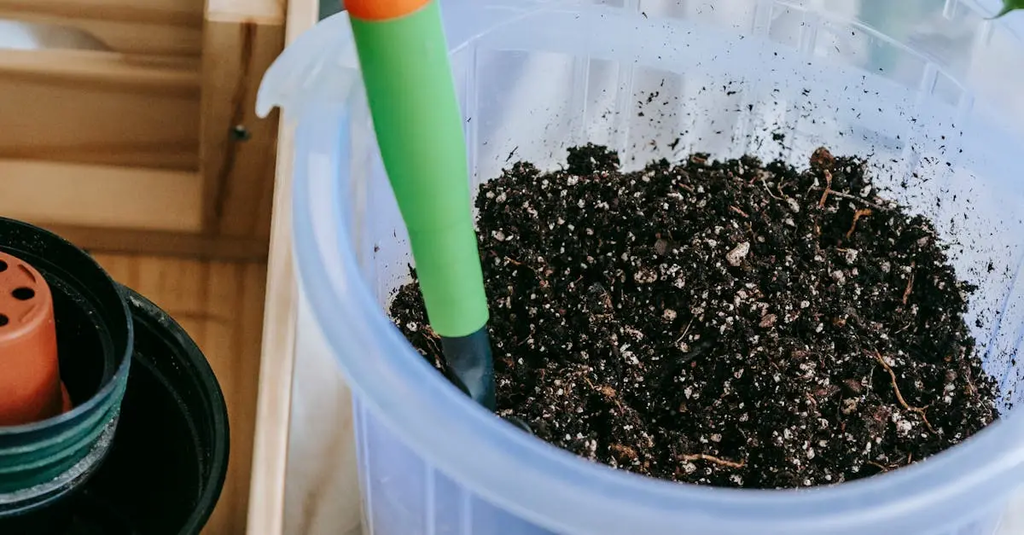
Seed starting refers to the process of germinating seeds indoors or in controlled environments before the growing season begins. This allows plants to develop strong roots and stems in optimal conditions. Transplants are young plants grown from these seeds, which are later moved outdoors or to their final growing location. This method extends the growing season, improves plant survival, and gives crops a head start compared to direct sowing seeds in the ground.
Seed Starting & Transplants
Seed starting refers to the process of germinating seeds indoors or in controlled environments before the growing season begins. This allows plants to develop strong roots and stems in optimal conditions. Transplants are young plants grown from these seeds, which are later moved outdoors or to their final growing location. This method extends the growing season, improves plant survival, and gives crops a head start compared to direct sowing seeds in the ground.
💡 Key Takeaways
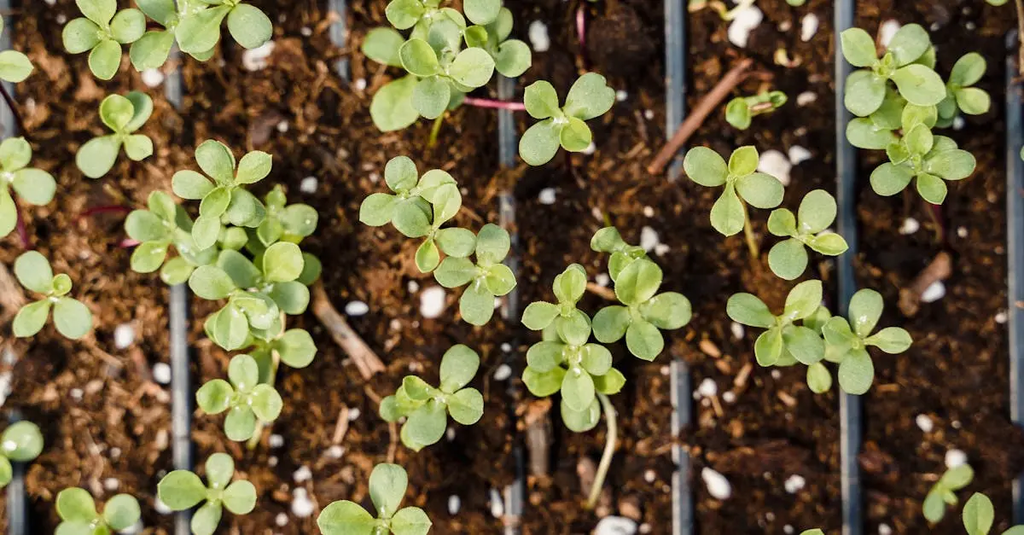
- Understand why seed starting indoors extends the growing season and promotes strong roots and stems.
- Know the ideal germination conditions: light, warmth, moisture, and a seed-starting mix.
- Learn how to transplant seedlings: timing, spacing, and a proper hardening-off process before outdoors.
- Identify common seed-starting pitfalls (overwatering, insufficient light, damping-off) and how to prevent them.
❓ Frequently Asked Questions
What is seed starting?
Seed starting is germinating seeds indoors or in controlled environments before the growing season to grow sturdy seedlings with strong roots and stems.
What is a transplant?
A transplant is a young plant started from seed that is moved to a new growing location outdoors or into your garden.
How do you start seeds indoors?
Use a seed-starting mix in containers, sow at the recommended depth, keep warm and consistently moist, and provide bright light once seedlings emerge.
When should you transplant seedlings outdoors?
Transplant after the last frost date and once seedlings have true leaves; ensure soil and air temps are suitable and gradually acclimate them first.
What is hardening off and why is it important?
Hardening off is the gradual exposure of indoor-grown seedlings to outdoor conditions over 7–14 days to reduce transplant shock.