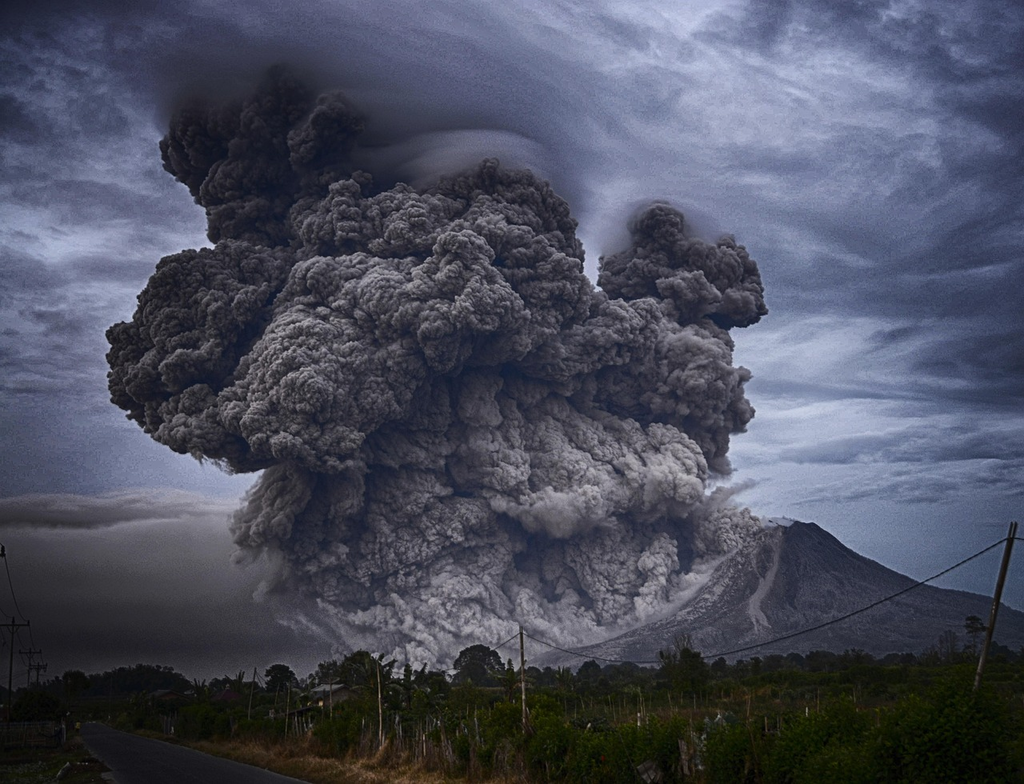
Seismic waves are powerful vibrations that travel through the Earth’s crust, often triggered by earthquakes or volcanic activity. They move outward from the source, shaking the ground and sometimes causing massive destruction. These waves can be felt as sudden jolts or rolling motions, making them one of nature’s most frightening and unpredictable forces. Scientists study seismic waves to understand Earth’s interior and to help predict and minimize earthquake damage.
Seismic Waves
Seismic waves are powerful vibrations that travel through the Earth’s crust, often triggered by earthquakes or volcanic activity. They move outward from the source, shaking the ground and sometimes causing massive destruction. These waves can be felt as sudden jolts or rolling motions, making them one of nature’s most frightening and unpredictable forces. Scientists study seismic waves to understand Earth’s interior and to help predict and minimize earthquake damage.
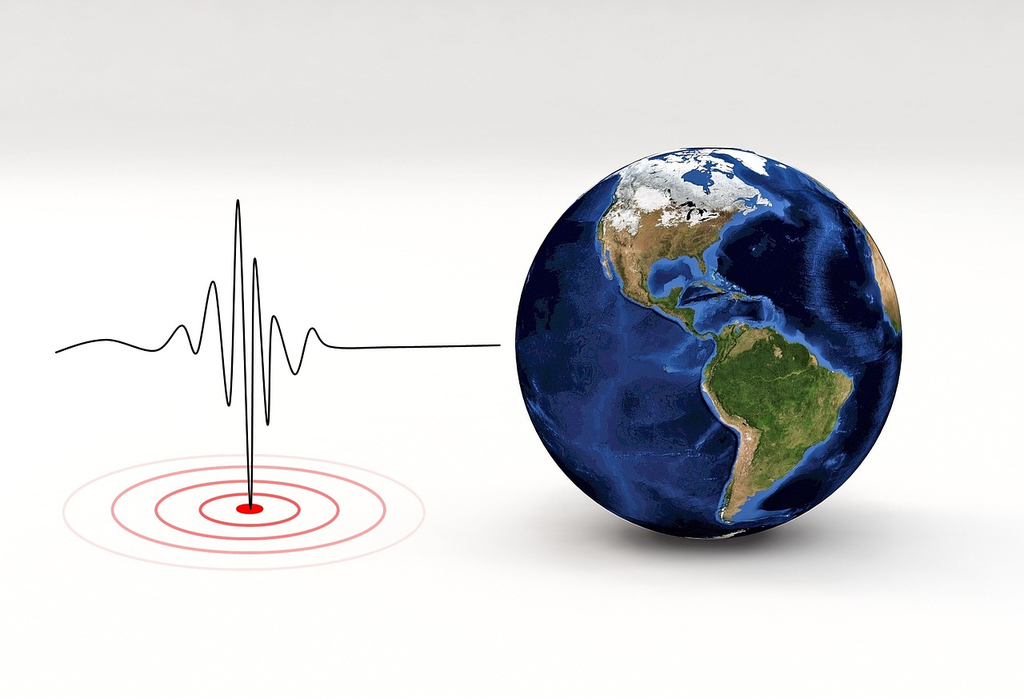
💡 Key Takeaways
- Identify the main seismic wave types (P-waves, S-waves, and surface waves) and how they move.
- Explain how wave speeds vary with material properties and what this reveals about Earth's interior.
- Describe how seismographs record seismic waves and how arrival times are used to locate earthquakes.
- Understand how wave properties such as speed, amplitude, and frequency relate to earthquake magnitude and rupture depth.
❓ Frequently Asked Questions
What are seismic waves?
Seismic waves are waves of energy that travel through Earth after an earthquake or other disturbance, carrying energy away from the source.
What are the main types of seismic waves?
P-waves (primary, compressional), S-waves (secondary, shear), and surface waves (Rayleigh and Love) that travel along or near the Earth's surface.
How do P-waves differ from S-waves?
P-waves compress and expand material (fastest; travel through solids, liquids, and gases). S-waves move shear sideways or up/down and only travel through solids, slower than P-waves.
How do scientists use seismic waves to study Earth's interior?
By analyzing when and how fast different waves arrive at seismic stations, scientists infer internal layers, materials, and properties (S-wave shadows indicate liquids).
Why do seismic waves cause ground shaking?
As waves reach the surface, their energy moves rocks and soil, and the local geology, wave type, and distance from the source determine the shaking intensity.