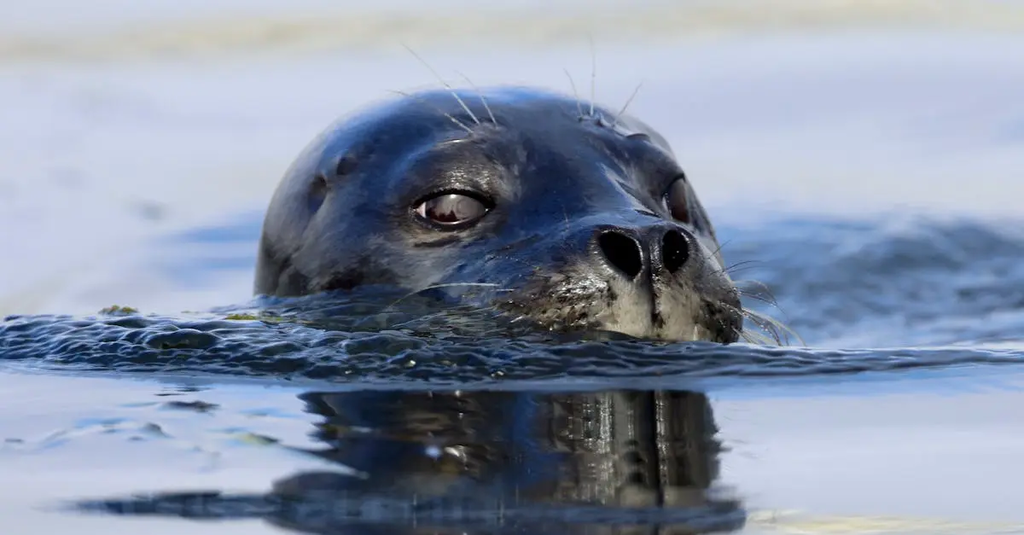
Sensory ecology and communication explores how organisms perceive, process, and respond to environmental signals through their senses. It examines how sensory systems—like vision, hearing, or smell—evolve in response to ecological pressures and how animals use these senses to communicate with each other. This field helps explain how environmental factors shape communication strategies, influencing behaviors such as mating, foraging, and predator avoidance within various ecosystems.
Sensory Ecology & Communication
Sensory ecology and communication explores how organisms perceive, process, and respond to environmental signals through their senses. It examines how sensory systems—like vision, hearing, or smell—evolve in response to ecological pressures and how animals use these senses to communicate with each other. This field helps explain how environmental factors shape communication strategies, influencing behaviors such as mating, foraging, and predator avoidance within various ecosystems.

💡 Key Takeaways
- How animals use vision, hearing, and smell to perceive signals and how ecology shapes these senses
- How sensory information is processed to drive communication behaviors in pets and other animals
- How sensory systems evolve under ecological pressures such as predation, mating, and habitat
- How domestic animals' sensory adaptations influence their behavior and interactions with humans
❓ Frequently Asked Questions
What is sensory ecology?
The study of how animals detect and interpret environmental signals through their senses, and how perception guides behavior and survival.
Which senses matter most for animal communication?
Vision, hearing, smell, and touch are common channels; the dominant sense depends on the species and context (e.g., dogs rely on scent, birds on sight, crickets on sound).
How do ecological pressures shape sensory systems and signaling?
Predators, habitat structure, and resource distribution select for sensory abilities and signals that are effective and reliable in a given environment.
Why is sensory ecology relevant for pet care and enrichment?
It helps explain pets’ behaviors, informs training and enrichment strategies, and supports welfare by tailoring environments to how pets perceive the world.