Set pieces strategy refers to the planned tactics a soccer team uses during corners and free kicks to maximize scoring opportunities or defend effectively. This involves player positioning, movement patterns, decoy runs, and specific delivery techniques. Teams often practice these routines to exploit opponents’ weaknesses, create confusion, and increase the chances of converting set pieces into goals, making them a crucial aspect of modern football tactics.
Set Pieces Strategy (Corners & Free Kicks)
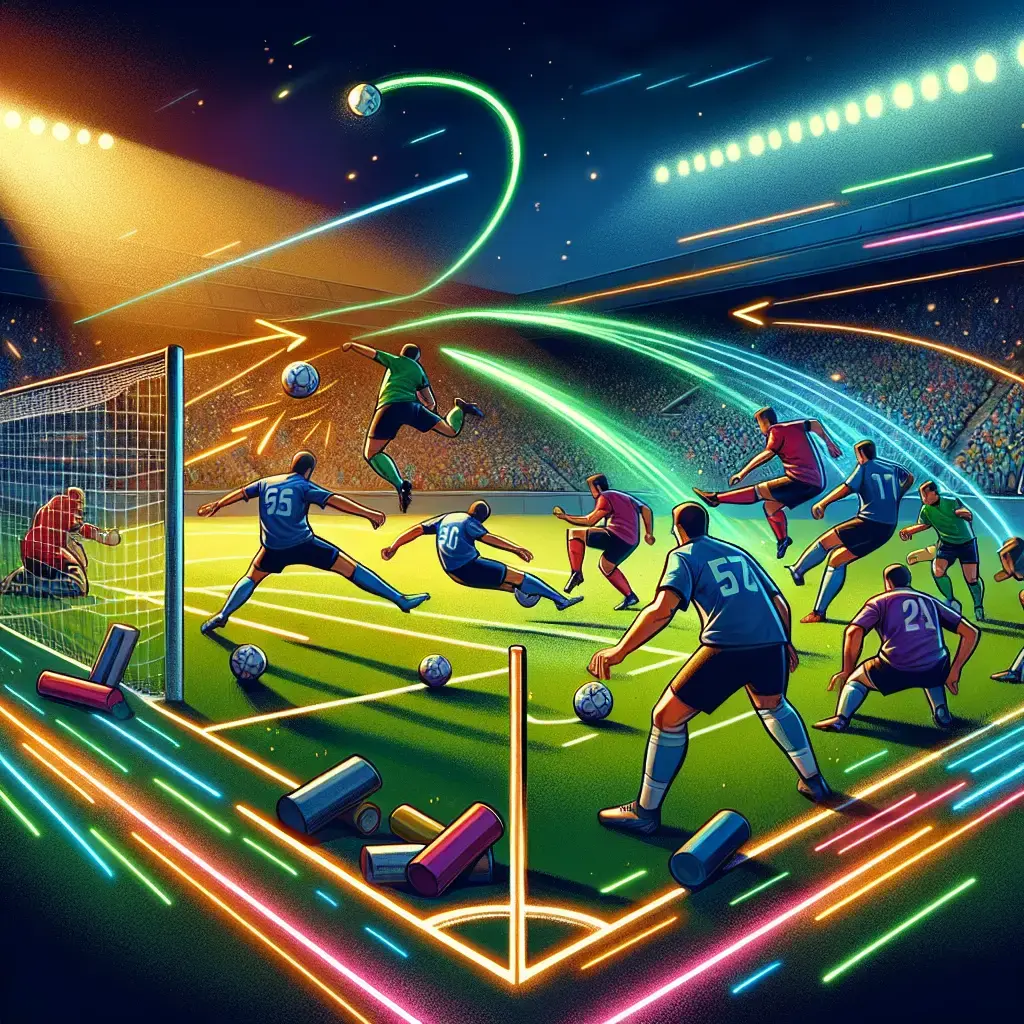
Set pieces strategy refers to the planned tactics a soccer team uses during corners and free kicks to maximize scoring opportunities or defend effectively. This involves player positioning, movement patterns, decoy runs, and specific delivery techniques. Teams often practice these routines to exploit opponents’ weaknesses, create confusion, and increase the chances of converting set pieces into goals, making them a crucial aspect of modern football tactics.
💡 Key Takeaways
- Understand the primary aims of set pieces: converting opportunities and organizing a strong defense.
- Master player roles and movements, including target players, decoys, and timed runs to create space and shooting angles.
- Vary delivery and runs—inswingers vs outswingers, pace and height of the ball, and the corresponding movements that meet them.
- Plan defensive set pieces with effective marking, clear communication, and appropriate schemes (man vs zonal) to limit scoring chances.
- Develop a practice library of rehearsed routines for different set-piece scenarios and opponents.
❓ Frequently Asked Questions
What is a set piece in soccer and why is it important?
A restart from a dead ball (e.g., corners and free kicks) used to create scoring chances or bolster defense; teams practice to maximize advantage.
What are decoy runs in set-piece play and how do they help?
Decoy runs distract markers and open space for a teammate to receive the ball or for a headed shot, increasing scoring chances.
What delivery options are used for corners and free kicks?
Deliveries include inswinging, outswinging, and driven balls; the choice affects velocity, height, and where attackers can threaten the goal.
How do teams defend against set pieces?
Defenders use marking schemes (man or zonal), guard posts, clear the ball, and rehearse routines to reduce danger from corners and free kicks.