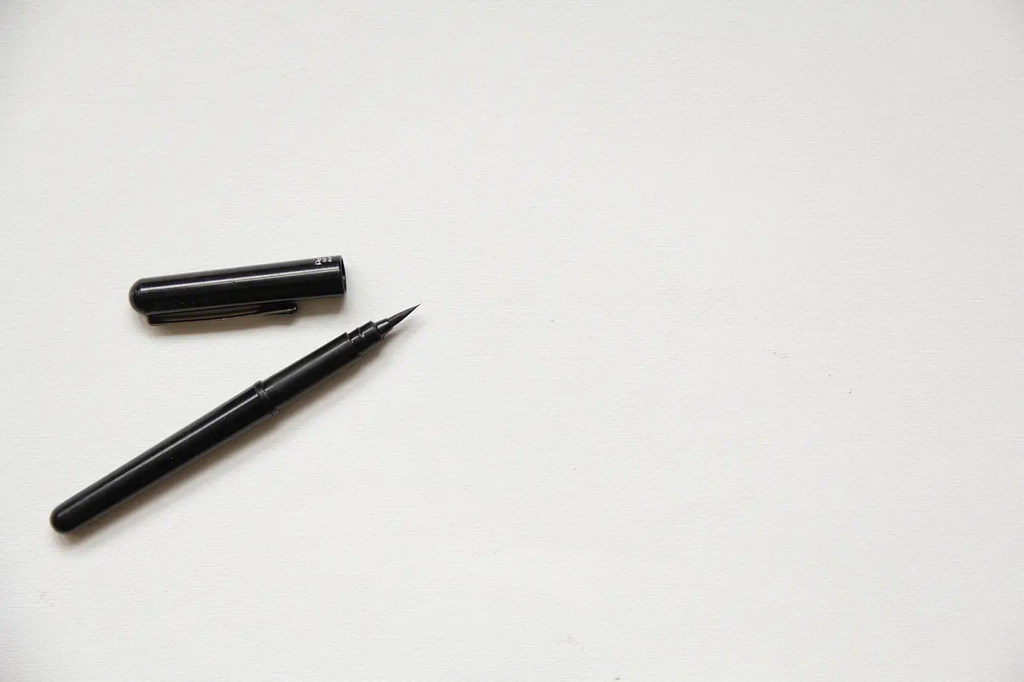
Sign painting and gilding refer to the traditional craft of creating decorative and functional signage by hand. Sign painting involves using brushes and specialized paints to render letters, symbols, and graphics on various surfaces. Gilding is the application of thin layers of gold leaf or metallic foil to add a luxurious, reflective finish. Both techniques require precision and artistry, often resulting in unique, visually striking signs for businesses, storefronts, and public spaces.
Sign Painting and Gilding
Sign painting and gilding refer to the traditional craft of creating decorative and functional signage by hand. Sign painting involves using brushes and specialized paints to render letters, symbols, and graphics on various surfaces. Gilding is the application of thin layers of gold leaf or metallic foil to add a luxurious, reflective finish. Both techniques require precision and artistry, often resulting in unique, visually striking signs for businesses, storefronts, and public spaces.
💡 Key Takeaways
- Identify the essential tools, paints, and substrates used in traditional sign painting.
- Outline the step-by-step workflow of creating a hand-painted sign, from layout and surface prep to finishing.
- Explain gilding basics, including sizing, applying gold leaf, and burnishing for a luminous finish.
- Discuss common lettering styles, typography choices, and color contrast to enhance readability and aesthetics.
- Understand basic care, maintenance, and restoration considerations for historic hand-painted signs.
❓ Frequently Asked Questions
What is sign painting?
Sign painting is the traditional hand-painting of letters, symbols, and graphics on signs using brushes and specialized paints on surfaces like wood, metal, glass, or walls.
What is gilding?
Gilding is the process of applying thin sheets of gold leaf or metallic foil to a surface, often with an adhesive sizing, to create a bright, decorative finish.
What surfaces are commonly used for sign painting and gilding?
Sign painting commonly covers wood, metal, glass, and walls; gilding is applied to wood, plaster, metal, stone, frames, and architectural details.
How do sign painting and gilding differ from modern digital signage?
They are traditional, handmade crafts offering tactile, durable finishes, whereas digital signage uses electronic displays and printed graphics.