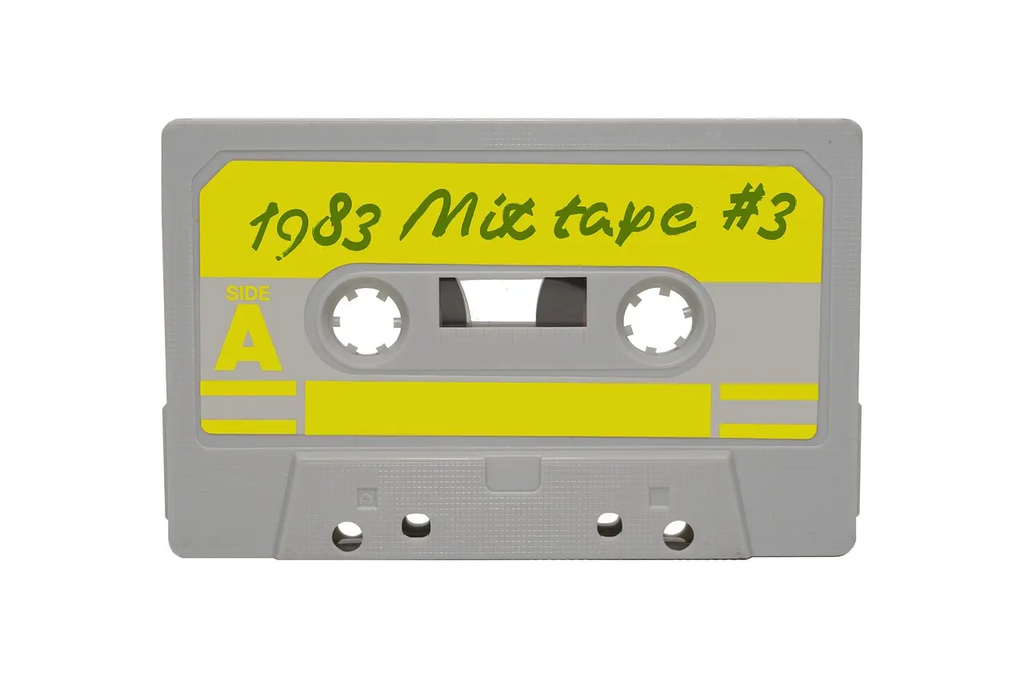
The signature sounds of 1980s pop and rock are defined by synthesizer-driven melodies, prominent drum machines, and glossy production techniques. Electric guitars featured crisp, often chorus-laden tones, while bass lines were punchy and rhythmic. Vocals were typically bold and expressive, and the era embraced catchy hooks and anthemic choruses. This sonic palette, combined with technological innovation, created a vibrant, instantly recognizable musical landscape that continues to influence artists today.
Signature Sounds of 1980s Pop and Rock
The signature sounds of 1980s pop and rock are defined by synthesizer-driven melodies, prominent drum machines, and glossy production techniques. Electric guitars featured crisp, often chorus-laden tones, while bass lines were punchy and rhythmic. Vocals were typically bold and expressive, and the era embraced catchy hooks and anthemic choruses. This sonic palette, combined with technological innovation, created a vibrant, instantly recognizable musical landscape that continues to influence artists today.
💡 Key Takeaways
- Recognize the signature 1980s pop/rock sound built around synthesizers, drum machines, and glossy production.
- Explain how synth melodies and electronic rhythms defined the decade's groove and hooks.
- Describe electric guitars with crisp, chorus-laden tones and punchy bass lines as a core part of the sound.
- Identify the era's vocal style as bold, expressive performances that complemented big, anthemic choruses.
❓ Frequently Asked Questions
What defines the signature sounds of 1980s pop and rock?
Synthesizer-driven melodies, prominent drum machines, glossy production, chorus-laden electric guitars, punchy bass lines, and bold, expressive vocals.
How did synthesizers and drum machines shape 1980s tracks?
They provided catchy melodic hooks and precise, danceable rhythms, giving tracks a clean, electronic texture that defined the era's sound.
What is the gated snare/reverb and why is it iconic to 1980s production?
Gated (or gated) reverb on the snare cuts off the reverb quickly, creating a sharp, punchy drum hit that became a hallmark of 80s pop/rock production.
How did chorus guitars and bold vocals contribute to the era's sound?
Chorus effects produced wide, shimmering guitar textures, while bold, expressive vocals carried the melodic and emotional load of songs.
What characterizes 80s bass lines in pop/rock?
Punchy, rhythmic bass often locks in with drums for a strong groove, using tight patterns or synth bass to anchor the track.