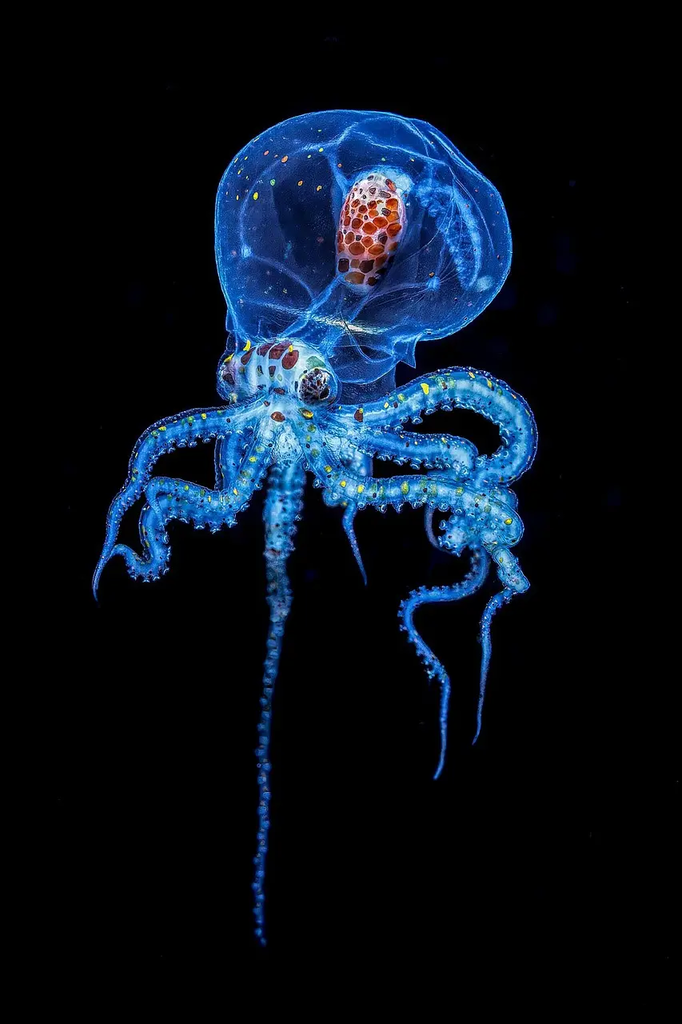
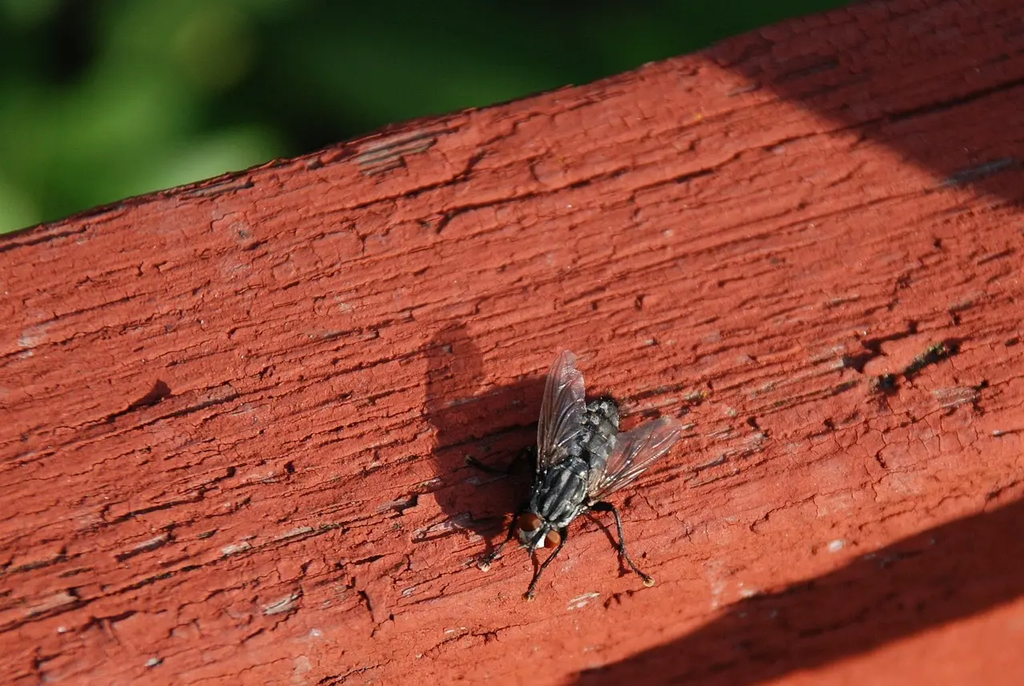
"Simple Animal Lifespans (Animal Fun Facts: Nature's Wildest Secrets)" refers to interesting and easy-to-understand information about how long various animals live. This phrase highlights the diversity in animal lifespans, from short-lived insects to long-surviving tortoises, revealing surprising facts about nature’s creatures. It invites curiosity about the secrets behind why some animals live just days while others can thrive for centuries, making animal biology both fun and fascinating.
Simple Animal Lifespans+50
"Simple Animal Lifespans (Animal Fun Facts: Nature's Wildest Secrets)" refers to interesting and easy-to-understand information about how long various animals live. This phrase highlights the diversity in animal lifespans, from short-lived insects to long-surviving tortoises, revealing surprising facts about nature’s creatures. It invites curiosity about the secrets behind why some animals live just days while others can thrive for centuries, making animal biology both fun and fascinating.

💡 Key Takeaways
- Lifespans vary greatly among animals, from days to over a century.
- Learn the difference between lifespan (how long an individual can live) and life expectancy (the average age at death for a population).
- Identify factors that influence lifespan, including genetics, health, diet, environment, and care or threats such as disease.
- Recall approximate lifespans for common animals to illustrate variation: mouse 2-3 years, cat 12-15 years, dog 10-13 years, elephant 60-70 years.
❓ Frequently Asked Questions
What does 'lifespan' mean in animals?
Lifespan is the length of time an individual lives from birth to death. In quizzes you may also see life expectancy (average age of death in a group) and maximum lifespan (oldest age observed).
What factors influence how long an animal lives?
Genetics, metabolism, growth rate, reproduction strategy, disease, environment, diet, predators, and whether the animal is wild or in captivity all shape lifespan.
Why do some simple or small animals have very short lifespans?
They often follow a fast life-history strategy: rapid growth and early, prolific reproduction, coupled with high metabolism and predation pressures, leading to shorter lifespans.
Can you give quick examples of typical lifespans for common animals?
Mayflies: adult life of a day or two; mice: about 1–2 years; dogs: around 10–13 years; cats: around 12–15 years; elephants: several decades (often 60–70); tortoises: 100+ years; fruit flies: ~30 days.
How do scientists estimate lifespans in the wild?
Researchers use methods like mark-recapture studies and life tables to estimate average life expectancy and maximum lifespans from population data.