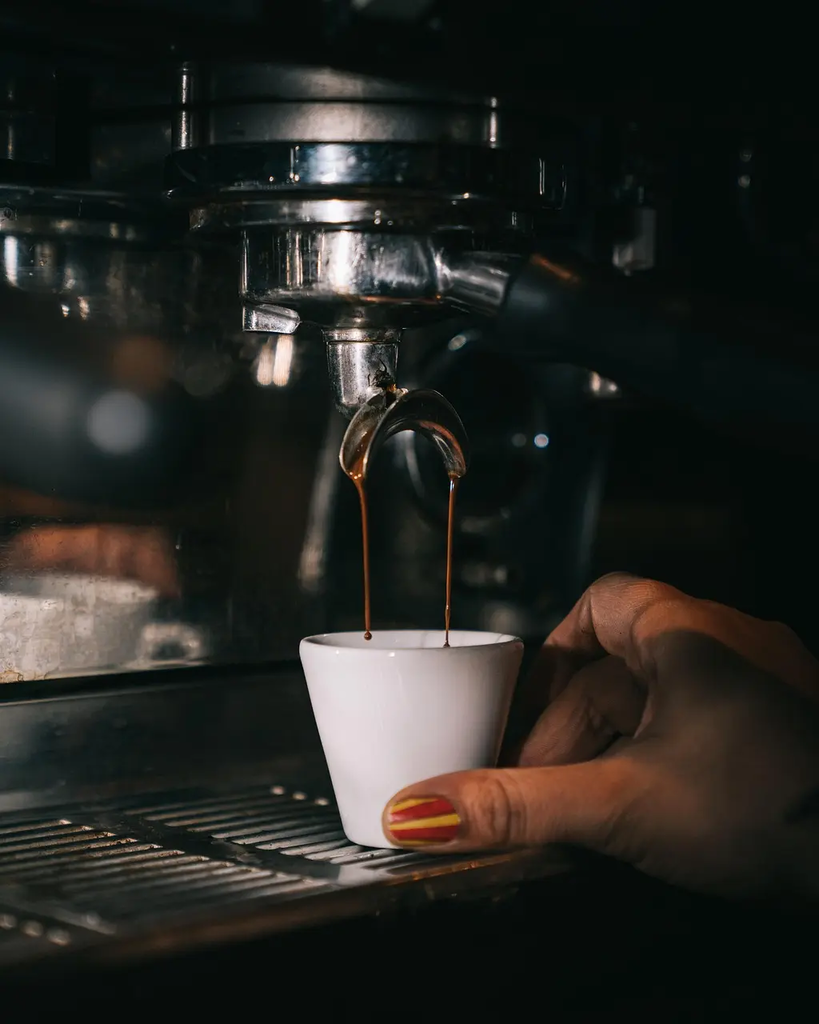
Single-origin coffee refers to coffee beans sourced from a specific region, farm, or even a single crop, rather than being blended from multiple locations. This approach highlights the unique flavors, aromas, and characteristics influenced by the area's soil, climate, and cultivation methods. In coffee and caffeine culture, single-origin coffees are prized for their traceability, transparency, and the opportunity to experience distinct regional profiles, appealing to enthusiasts seeking authenticity and nuanced taste experiences.
Single-Origin Coffee
Single-origin coffee refers to coffee beans sourced from a specific region, farm, or even a single crop, rather than being blended from multiple locations. This approach highlights the unique flavors, aromas, and characteristics influenced by the area's soil, climate, and cultivation methods. In coffee and caffeine culture, single-origin coffees are prized for their traceability, transparency, and the opportunity to experience distinct regional profiles, appealing to enthusiasts seeking authenticity and nuanced taste experiences.
💡 Key Takeaways
- Define single-origin coffee and how terroir shapes flavor compared to blends.
- Identify typical flavor notes associated with major origins and how altitude and processing affect them.
- Explain how roast level and grind size influence the taste of single-origin beans.
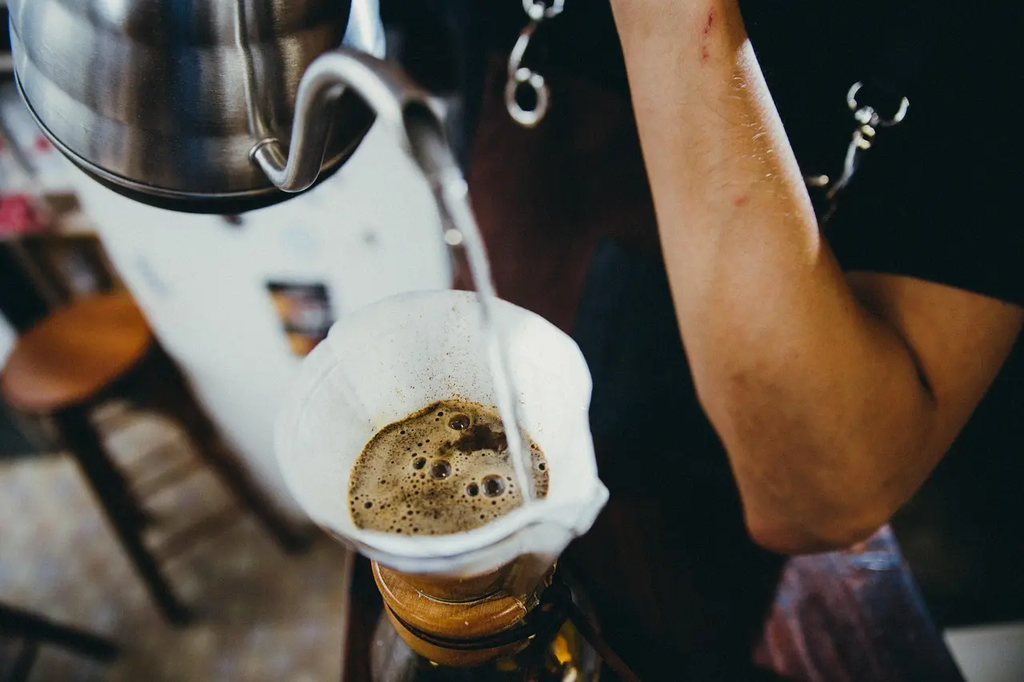
- Learn practical tips to brew and taste single-origin coffee to highlight origin characteristics.
❓ Frequently Asked Questions
What is single-origin coffee?
Single-origin coffee comes from a single farm, estate, or defined geographic region and is not blended with beans from other origins, highlighting that place's flavors.
How is single-origin different from a blend?
Single-origin showcases flavors from one place; a blend combines beans from multiple origins to achieve a balanced or targeted flavor profile.
Why does origin affect flavor?
Origin influences flavor through terroir factors like soil, altitude, climate, and how the beans are processed, producing distinctive notes.
How can I tell if a coffee is truly single-origin?
Check the label for a specific farm, estate, or single-region origin. If multiple origins are listed or it says “blend,” it’s not single-origin.