Sinkholes are dramatic depressions or holes in the ground that occur when the surface collapses due to the dissolution of underlying limestone or other soluble rocks. They can appear suddenly and swallow roads, buildings, or entire landscapes, making them one of nature’s most unpredictable and frightening phenomena. Often triggered by heavy rain, drought, or human activity, sinkholes highlight the hidden dangers lurking beneath seemingly stable ground.
Sinkholes
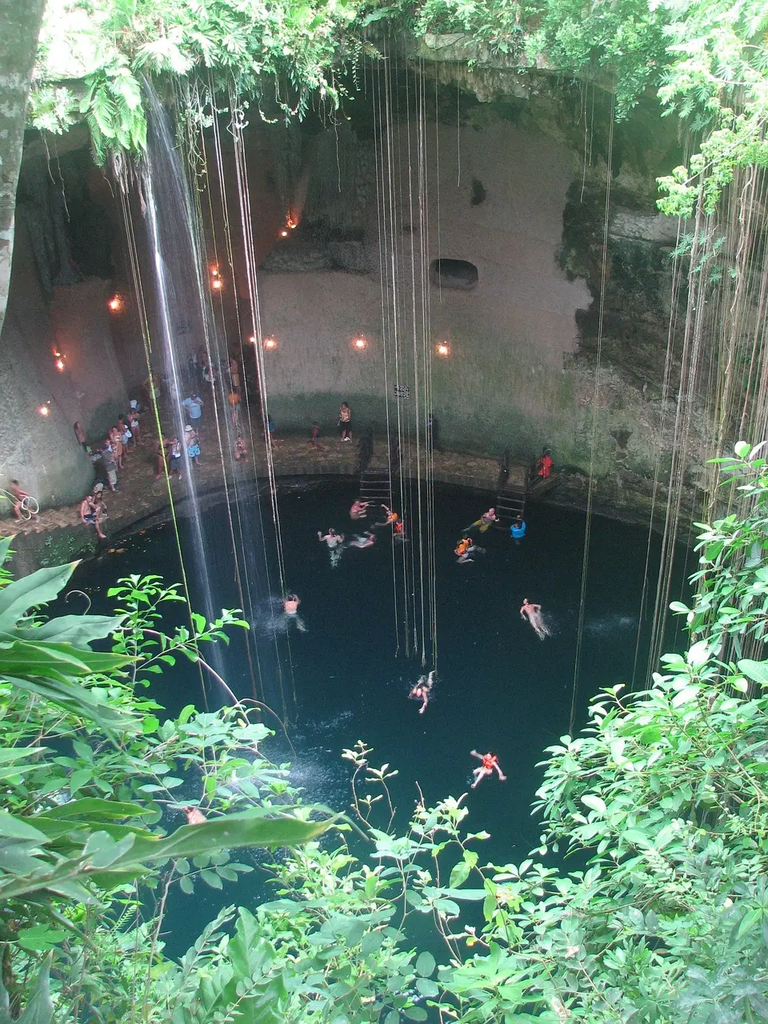
Sinkholes are dramatic depressions or holes in the ground that occur when the surface collapses due to the dissolution of underlying limestone or other soluble rocks. They can appear suddenly and swallow roads, buildings, or entire landscapes, making them one of nature’s most unpredictable and frightening phenomena. Often triggered by heavy rain, drought, or human activity, sinkholes highlight the hidden dangers lurking beneath seemingly stable ground.
💡 Key Takeaways
- Define what a sinkhole is and how karst processes and groundwater changes create them.
- Differentiate the main sinkhole types (dissolution vs. collapse) and their typical appearances.
- Spot warning signs and high-risk locations where sinkholes are more likely to occur.
- Learn safety measures and what to do during a sinkhole event.
❓ Frequently Asked Questions
What is a sinkhole?
A natural ground depression that forms when surface rock dissolves or underground caverns collapse, causing the surface to drop.
What causes sinkholes to form?
Dissolution of soluble rocks (like limestone) by acidic water, underground cave collapse, or human activities that remove groundwater or support.
What are common types of sinkholes?
Dissolution (solution) sinkholes where rock dissolves; and collapse sinkholes where the ground collapses into a cavern (cover-collapse or cover-subsidence).
How can you recognize a potential sinkhole hazard?
Ground cracks, sudden depressions, doors or windows sticking, sloping ground, or unusual wet spots that appear without rain.
What should you do if you suspect a sinkhole?
Move away from the area, avoid the edges, and contact local authorities or emergency services for a professional assessment.