Size inclusivity movements advocate for the acceptance and representation of all body sizes within society, particularly in fashion, media, and wellness industries. These movements challenge traditional beauty standards by promoting clothing options, advertising, and products that accommodate diverse body types. They aim to reduce stigma, foster body positivity, and ensure equal opportunities for people regardless of size, ultimately striving for a more inclusive and accepting culture.
Size Inclusivity Movements
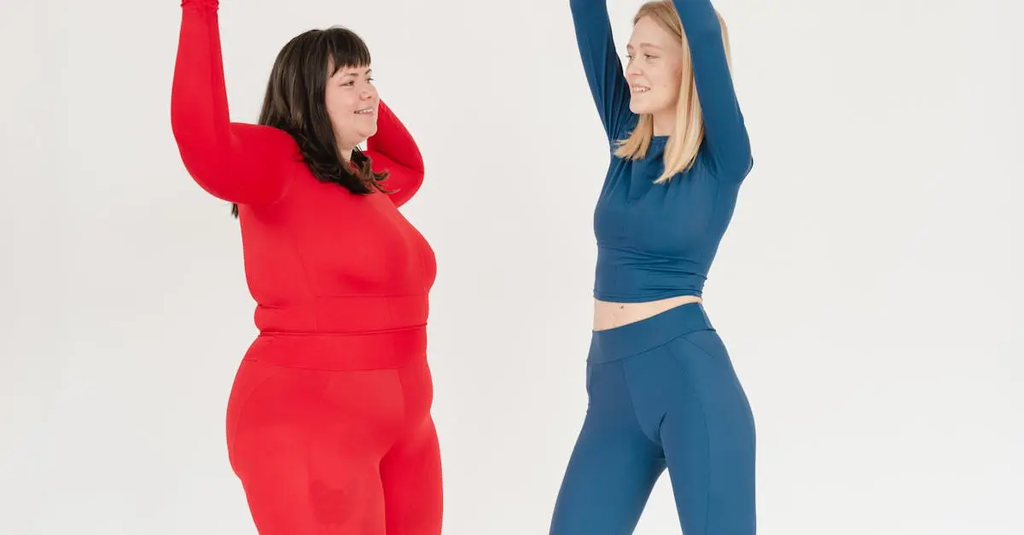
Size inclusivity movements advocate for the acceptance and representation of all body sizes within society, particularly in fashion, media, and wellness industries. These movements challenge traditional beauty standards by promoting clothing options, advertising, and products that accommodate diverse body types. They aim to reduce stigma, foster body positivity, and ensure equal opportunities for people regardless of size, ultimately striving for a more inclusive and accepting culture.
💡 Key Takeaways
- Trace the evolution of size inclusivity in fashion, media, and wellness across the decades.
- Identify landmark campaigns and brands that advanced body diversity in style and advertising.
- Understand how inclusive sizing, representation, and messaging impact consumer access and self-image.
- Assess ongoing challenges and practical steps toward truly inclusive fashion and wellness industries.
❓ Frequently Asked Questions
What does size inclusivity mean in fashion?
Size inclusivity means designing, marketing, and providing clothing for a wide range of body sizes and shapes so more people can find options that fit and feel represented.
How has size representation in fashion changed over the decades?
Fashion has moved from limited size ranges and narrow beauty standards toward broader offerings, more diverse models, and campaigns that reflect different body types, with continued growth in recent years.
What is the difference between body positivity and size inclusivity?
Body positivity focuses on valuing all bodies, while size inclusivity focuses on accessible products and representation for many sizes within fashion, media, and wellness.
How can you tell if a brand is size-inclusive?
Look for extended size ranges, inclusive fit guides and charts, diverse models, transparent product data, and messaging that welcomes various body types.