Sleep disorders recognition involves identifying and diagnosing conditions that disrupt normal sleep patterns, such as insomnia, sleep apnea, restless legs syndrome, and narcolepsy. Early recognition is crucial, as these disorders can significantly impact physical health, mental well-being, and daily functioning. Healthcare professionals use patient history, sleep diaries, and specialized tests like polysomnography to detect symptoms. Proper recognition leads to effective treatment, improving overall quality of life.
Sleep Disorders Recognition
Sleep disorders recognition involves identifying and diagnosing conditions that disrupt normal sleep patterns, such as insomnia, sleep apnea, restless legs syndrome, and narcolepsy. Early recognition is crucial, as these disorders can significantly impact physical health, mental well-being, and daily functioning. Healthcare professionals use patient history, sleep diaries, and specialized tests like polysomnography to detect symptoms. Proper recognition leads to effective treatment, improving overall quality of life.
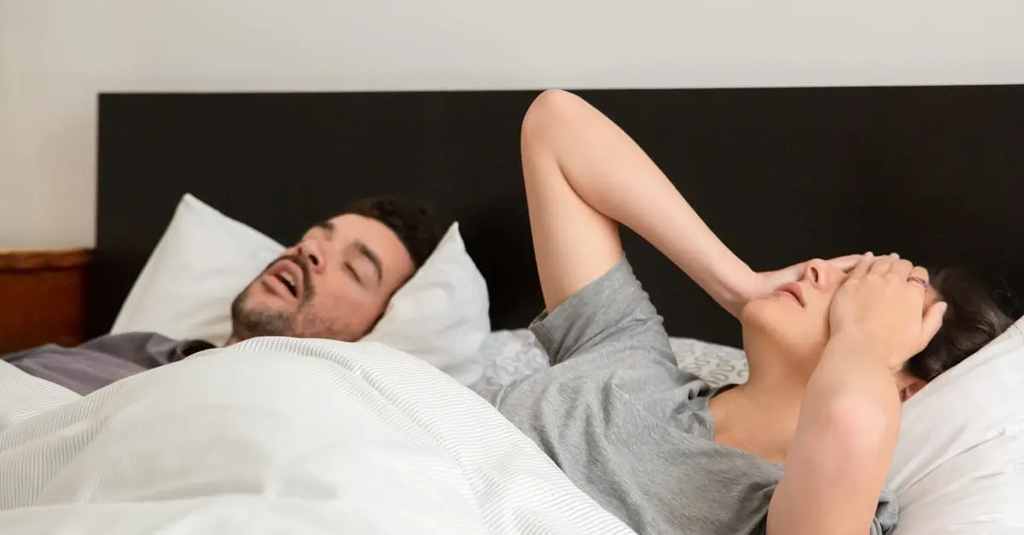
💡 Key Takeaways
- Recognize common signs of sleep disorders (e.g., daytime sleepiness, trouble sleeping, snoring or gasping, restless legs).
- Learn how insomnia, sleep apnea, restless legs syndrome, and narcolepsy differ in symptoms.
- Know when to seek medical evaluation and what tests may be used (e.g., sleep studies, clinician assessment).
- Understand the impact of sleep disorders on health, mental well-being, and daily functioning, and why early recognition matters.
❓ Frequently Asked Questions
What does sleep disorders recognition mean?
It’s the process of noticing symptoms, seeking evaluation, and identifying conditions that disrupt normal sleep patterns.
Which sleep disorders are commonly recognized here?
Insomnia, sleep apnea, restless legs syndrome, and narcolepsy.
Why is early recognition important?
Early detection helps protect physical health, mental well-being, and daytime functioning, and leads to more effective treatment.
How are sleep disorders diagnosed?
Clinicians review history, may use sleep diaries and questionnaires, and order tests such as polysomnography, actigraphy, or home sleep apnea testing.
When should you seek evaluation?
If sleep problems persist, cause daytime fatigue, or affect safety or daily life, you should consult a healthcare professional.