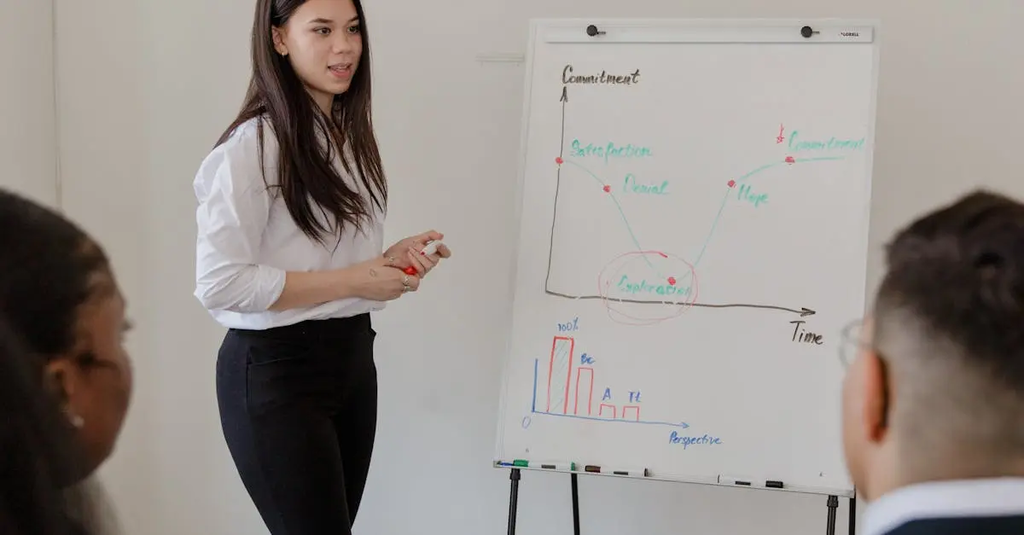
Small-group facilitation is the process of guiding a limited number of participants through discussions, activities, or problem-solving tasks to achieve specific objectives. The facilitator creates an inclusive environment, encourages participation, manages group dynamics, and ensures that conversations remain focused and productive. This approach fosters collaboration, deeper engagement, and shared understanding among group members, making it effective for brainstorming, decision-making, and learning in educational, organizational, or community settings.
Small-Group Facilitation
Small-group facilitation is the process of guiding a limited number of participants through discussions, activities, or problem-solving tasks to achieve specific objectives. The facilitator creates an inclusive environment, encourages participation, manages group dynamics, and ensures that conversations remain focused and productive. This approach fosters collaboration, deeper engagement, and shared understanding among group members, making it effective for brainstorming, decision-making, and learning in educational, organizational, or community settings.

💡 Key Takeaways
- Explain the facilitator’s role in guiding small-group discussions toward specific objectives.
- Foster an inclusive environment that encourages participation from all members.
- Identify and manage group dynamics to keep conversations focused and productive.
- Design concise activities and prompts that align with learning goals and time constraints.
- Apply effective public-speaking and facilitation techniques (clear instructions, smooth transitions, and confident body language) to enhance engagement.
❓ Frequently Asked Questions
What is small-group facilitation?
The process of guiding a limited number of participants through discussions, activities, or problem-solving tasks to achieve specific objectives, while the facilitator creates an inclusive environment and encourages participation.
What are the primary responsibilities of a small-group facilitator?
Set objectives, design activities, establish ground rules, invite contributions, manage time, balance participation, monitor dynamics, and summarize decisions.
How can you encourage participation and ensure inclusive conversations?
Use inclusive language, invite quieter members, employ varied activities, use round-robin or polling, clarify expectations, and foster psychological safety so all voices are heard.
How do you manage group dynamics and conflicts in a small group?
Establish norms, acknowledge emotions, reframe conflicts as problems to solve, mediate when needed, paraphrase to check understanding, and keep discussions on track.
What is the difference between facilitation and public speaking?
Facilitation guides a group toward outcomes with balanced participation, while public speaking delivers a message to an audience and focuses on the speaker's delivery.