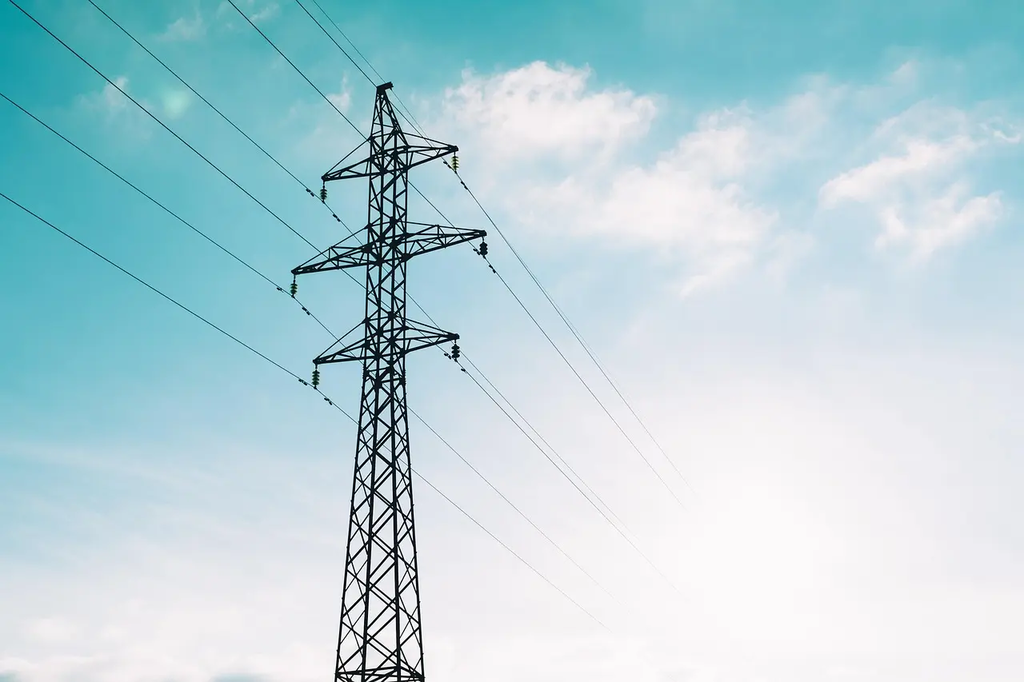
Smart Grids & Meters (Telecoms, Signals & Power) refers to advanced energy networks that use digital communication technologies to monitor, manage, and optimize the generation, distribution, and consumption of electricity. Smart meters collect real-time data on energy usage, transmitting this information via telecom networks. Signals are used to control and coordinate grid operations, ensuring efficient power delivery, rapid fault detection, and integration of renewable energy sources, ultimately enhancing reliability and sustainability.
Smart Grids & Meters
Smart Grids & Meters (Telecoms, Signals & Power) refers to advanced energy networks that use digital communication technologies to monitor, manage, and optimize the generation, distribution, and consumption of electricity. Smart meters collect real-time data on energy usage, transmitting this information via telecom networks. Signals are used to control and coordinate grid operations, ensuring efficient power delivery, rapid fault detection, and integration of renewable energy sources, ultimately enhancing reliability and sustainability.
💡 Key Takeaways
- Understand what a smart grid is and how it improves electricity delivery compared to traditional grids.
- Learn how smart meters measure, monitor, and communicate energy use in near real-time.
- Explore the role of two-way communication, automation, and demand response in grid management.
- Identify benefits and challenges of smart grids, including reliability, efficiency, and cybersecurity considerations.
❓ Frequently Asked Questions
What is a smart grid?
An electricity system that uses digital sensors, two-way communications, and automation to monitor and manage supply and demand in real time.
What is a smart meter?
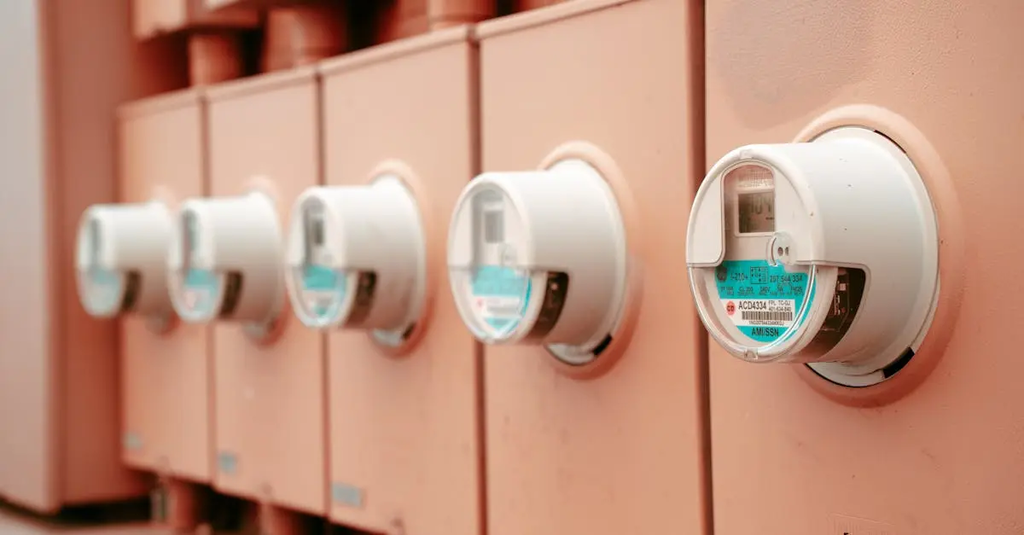
A device at the customer site that records electricity use in near real time and communicates data to the utility, enabling detailed usage insights and two-way messaging.
How do smart grids support renewable energy integration?
By sensing demand and supply in real time, coordinating with energy storage, and enabling flexible demand to balance variable renewables more reliably.
What is demand response?
Programs that encourage customers or automated systems to reduce or shift electricity use during peak periods, improving grid stability and reducing costs.
What are privacy and security considerations with smart grids?
They involve protecting detailed usage data and the digital network through encryption, authentication, data minimization, and strong cybersecurity.