Smoking, curing, and preserving in Britain refer to traditional methods of extending the shelf life of food, particularly meats and fish. Smoking involves exposing food to smoke from burning wood, imparting flavor and preserving it. Curing uses salt, sugar, or nitrates to draw out moisture, preventing bacterial growth. These techniques have been integral to British culinary history, especially before refrigeration, ensuring food availability throughout the year.
Smoking, curing, and preserving in Britain
Smoking, curing, and preserving in Britain refer to traditional methods of extending the shelf life of food, particularly meats and fish. Smoking involves exposing food to smoke from burning wood, imparting flavor and preserving it. Curing uses salt, sugar, or nitrates to draw out moisture, preventing bacterial growth. These techniques have been integral to British culinary history, especially before refrigeration, ensuring food availability throughout the year.
💡 Key Takeaways
- Understand how smoking, curing, and preserving extend the shelf life of British meats and fish while adding distinctive flavors.
- Learn how smoking uses wood smoke to preserve and flavor food, and the difference between hot smoking and cold smoking.
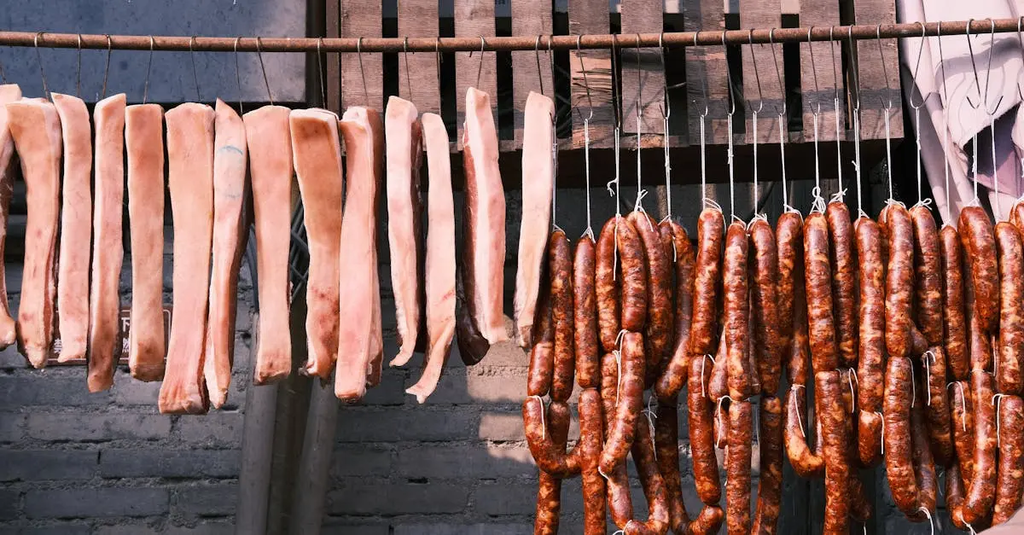
- Explore curing methods that use salt, sugar, or nitrates to draw out moisture and inhibit spoilage, including dry cures and wet cures.
- Identify common British preserved foods (e.g., bacon, ham, smoked haddock, kippers) and how these methods affect texture, color, and taste.
❓ Frequently Asked Questions
What is smoking as a preservation method in Britain?
Smoking preserves by exposing food to smoke from burning wood, which dries the surface and adds antimicrobial compounds and flavor. It can be hot smoking (cooks the food) or cold smoking (no heat). Common for bacon, salmon, and kippers.
What is curing, and what ingredients are used in British curing?
Curing uses salt, sugar, and often nitrates or nitrites to draw out moisture and inhibit spoilage; done as dry rubbing or wet brining; used for bacon, ham, and salt beef.
How do smoking and curing differ, and can they be used together?
Smoking provides flavor and surface drying with or without heat; curing preserves by moisture loss and microbial inhibition through salt/sugar/nitrates. They are often combined (e.g., cured and smoked bacon or ham).
Can you name traditional British smoked or cured foods?
Examples include kippers (smoked herring), Arbroath Smokies (smoked haddock), bacon, and ham.