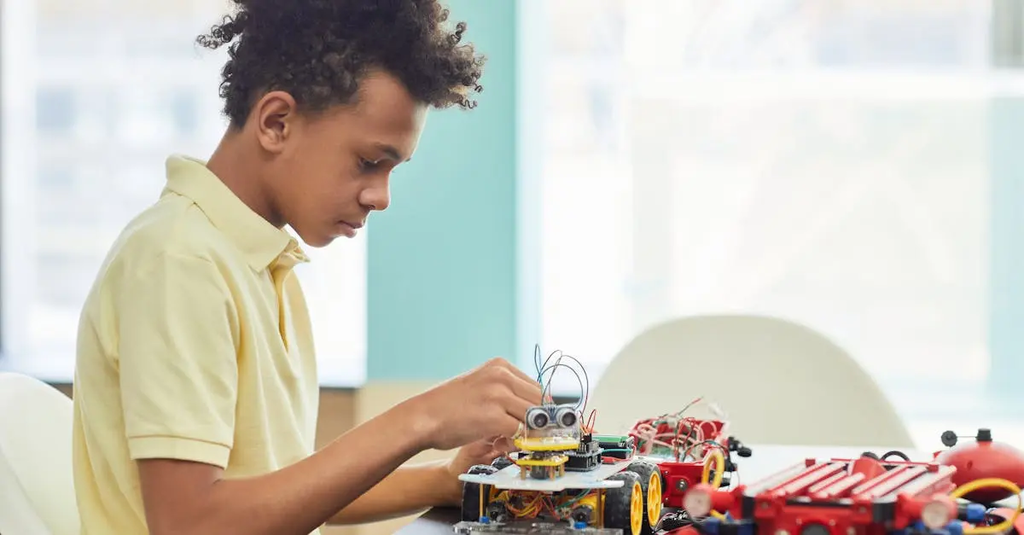
Social and Emotional Learning (SEL) integration refers to the process of embedding SEL principles and practices into everyday classroom activities, curricula, and school culture. It involves teaching students skills such as self-awareness, emotional regulation, empathy, and responsible decision-making alongside academic content. By integrating SEL, educators aim to foster a supportive environment that promotes both academic success and personal growth, helping students navigate social interactions and manage emotions effectively.
Social and Emotional Learning Integration
Social and Emotional Learning (SEL) integration refers to the process of embedding SEL principles and practices into everyday classroom activities, curricula, and school culture. It involves teaching students skills such as self-awareness, emotional regulation, empathy, and responsible decision-making alongside academic content. By integrating SEL, educators aim to foster a supportive environment that promotes both academic success and personal growth, helping students navigate social interactions and manage emotions effectively.

💡 Key Takeaways
- Identify the five core SEL competencies (self-awareness, self-management, social awareness, relationship skills, responsible decision-making) and how to apply them in daily classroom practice.
- Incorporate practical SEL strategies into routines and lessons, such as morning check-ins, collaborative activities, and clear classroom norms.
- Use explicit instruction and modeling to develop emotional regulation, empathy, and prosocial decision-making among students.
- Monitor and assess SEL progress alongside academic learning to guide instruction and strengthen school culture.
❓ Frequently Asked Questions
What is SEL integration?
The process of embedding SEL principles into daily classroom activities, curricula, and school culture to help students develop self-awareness, emotional regulation, empathy, and responsible decision-making.
What core SEL skills are highlighted in SEL integration?
Self-awareness, emotional regulation, empathy, and responsible decision-making.
How can teachers implement SEL in everyday lessons?
Include explicit SEL mini-lessons, model SEL skills, use reflective activities, and structure cooperative learning and routines that promote respectful, supportive interactions.
Why is SEL integration beneficial for students and classrooms?
It supports emotional well-being, improves engagement and behavior, strengthens relationships, and can enhance academic outcomes.