The sociology of fandom examines the social dynamics, behaviors, and communities that form around shared interests in media, celebrities, sports, or other cultural phenomena. It explores how fans create identities, build relationships, and express belonging through rituals, language, and creative activities. This field analyzes power structures, inclusivity, and the impact of digital platforms on fan culture, highlighting how fandom both reflects and shapes broader societal trends and values.
Sociology of Fandom
The sociology of fandom examines the social dynamics, behaviors, and communities that form around shared interests in media, celebrities, sports, or other cultural phenomena. It explores how fans create identities, build relationships, and express belonging through rituals, language, and creative activities. This field analyzes power structures, inclusivity, and the impact of digital platforms on fan culture, highlighting how fandom both reflects and shapes broader societal trends and values.
💡 Key Takeaways
- Describe how fandoms form around music and celebrities and the social dynamics that sustain them.
- Explain how fans construct personal and group identities through participation and belonging.
- Identify rituals, language, and creative expressions (fan art, memes, fan fiction) as markers of fandom culture.
- Analyze how online and offline spaces shape fan communities and interactions.
- Discuss power dynamics, celebrity culture, and ethical considerations within fandoms.
❓ Frequently Asked Questions
What is the sociology of fandom?
It studies how fans form social communities around media and celebrities, creating norms, rituals, and shared meanings that shape identities and social life.
How do fans create and express identity in fandoms?
By identifying with a celebrity or character, adopting group slang and symbols, and weaving personal and collective stories that reflect common values.
What are common fan practices that foster belonging?
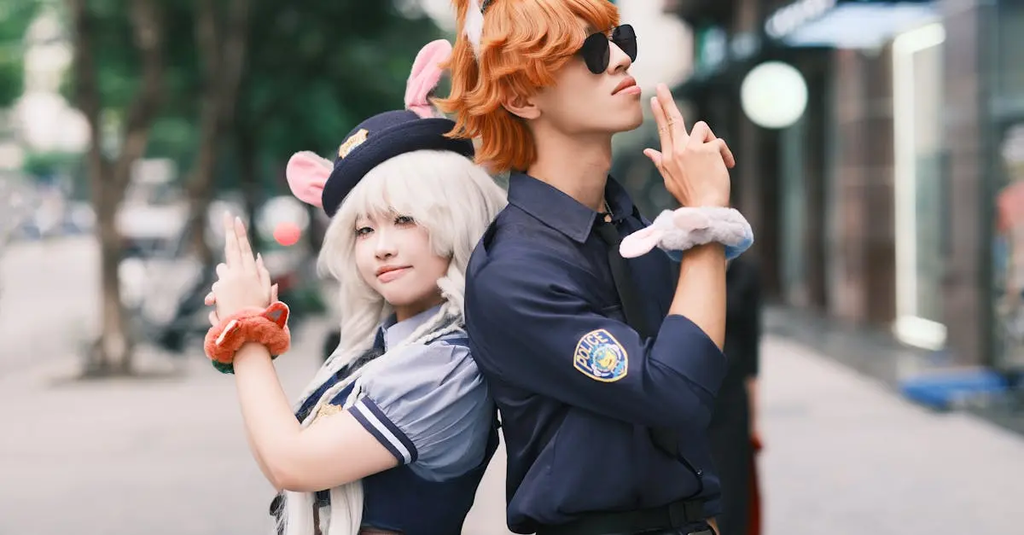
Online discussions, fan art, fan fiction, cosplay, events, collective campaigns, and other collaborative activities that signal membership in the community.
What is a parasocial relationship and why does it matter in fandoms?
A one-sided bond with a media figure formed through exposure, where fans feel closeness without reciprocation, influencing emotions, behavior, and engagement with media.